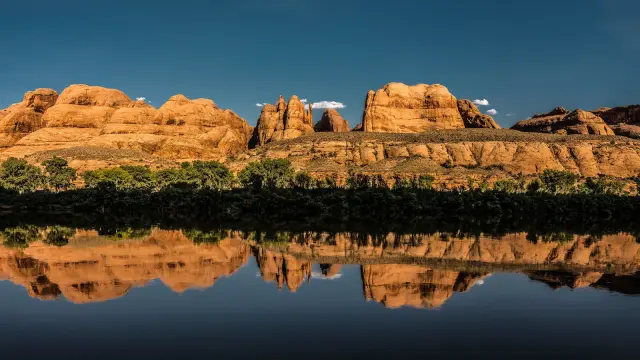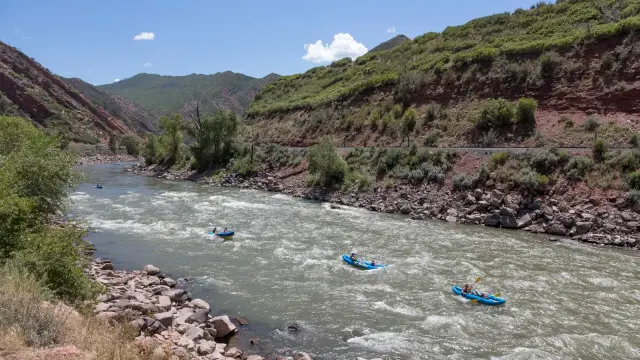
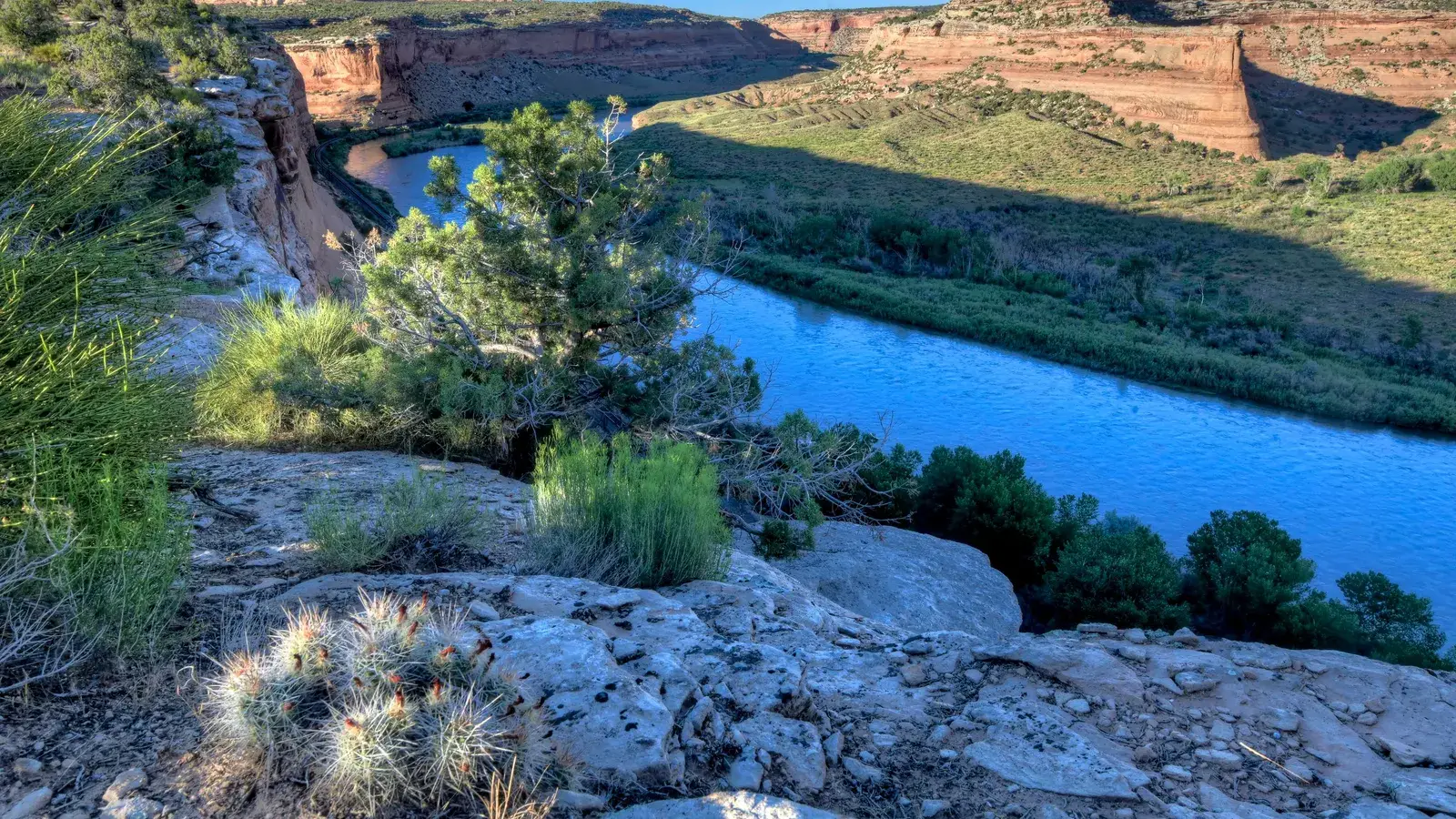
Butterfly Pond at Las Colonias Park is the best place to start paddle boarding in Grand Junction: it’s a small, calm pond in the middle of town where swimming and inner tubes aren’t allowed, so it’s just paddle boards and kayaks, with a rental shop next to it. For scenery, float the Colorado River through Ruby-Horsethief Canyon west of town, where red sandstone walls rise straight from the water.
Grand Junction works for paddling because it has both flat water and moving water within a short drive. The Colorado River runs right through the valley, a string of state park lakes sits along its banks, and Highline Lake gives you a proper reservoir with a swim beach. Summers are long and hot, which makes a day on the water an easy sell.
Quick answer
- First time on a board: Butterfly Pond at Las Colonias Park, with rentals on site.
- A bigger lake: Highline Lake State Park, using the hand-launch ramp by the visitor center.
- Quiet ponds with trails: Connected Lakes or Corn Lake in the James M. Robb Colorado River State Park.
- Your first river float: Corn Lake down to Las Colonias, about 5 miles, once spring runoff has dropped.
- Most scenic: Ruby-Horsethief Canyon, a 25-mile float from Loma to Westwater, Utah.
The best places to paddle board in Grand Junction
Butterfly Pond and the River Park at Las Colonias
DirectionsBest for: beginners, kids and SUP yoga. Flat water on the pond, moving water in the River Park.
Las Colonias is the city’s riverside park on the south side of downtown, and it’s free to use. Butterfly Pond is a man-made pond fed with city water, aerated by two fountains and tested regularly by the city. Swimming and inner tubes aren’t allowed in the pond, only paddle boards and kayaks, which makes it a quiet place to learn.
Next to the pond, the River Park is a side channel of the Colorado River. It starts near the boat ramp and ends near the Las Colonias Amphitheater, and it has a wave feature that people surf on boards and kayaks.
Where to launch: Carry your board to the pond from the east end of the park, between Butterfly Pond and the river boat ramp. The park is open 5 a.m. to 10 p.m.
Rentals and lessons: Grand Junction Adventures (GJ SUP) runs a rental shop at the east end of Las Colonias, between Butterfly Pond and the boat ramp. It rents paddle boards, inflatable kayaks and tubes, and runs lessons, SUP yoga and guided river trips. In fall it opens on weekends only, so check its website before you go.
Good to know: The city’s River Park rules say children 12 and under must wear a life jacket, and that you shouldn’t wear a standard leash in moving water, because a leash that can’t be released quickly can pin you to a snag. Stay out of the four side channels that branch off the River Park toward the main river. Dogs aren’t allowed in the River Park or the ponds.
Corn Lake (James M. Robb Colorado River State Park)
Directions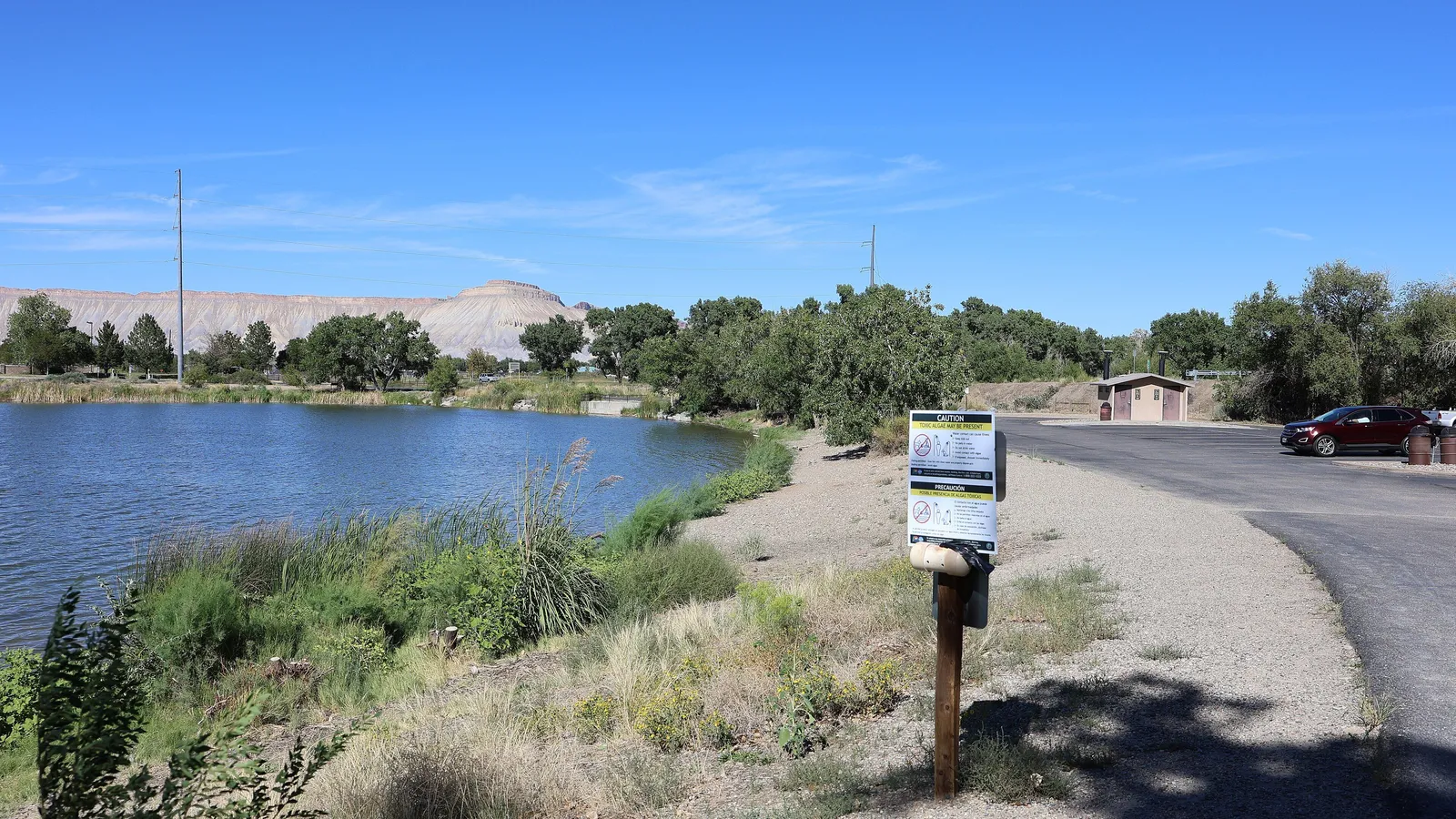
Best for: easy lake paddling and the start of a short river float. Flat water on the lake, river current below the ramp.
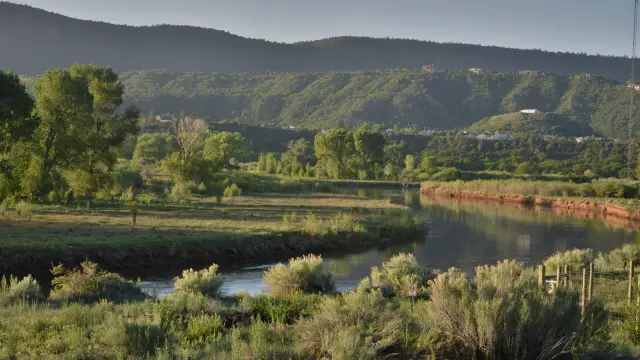
Corn Lake is the day-use headquarters of the James M. Robb Colorado River State Park, in Clifton at 361 32 Road. It’s a small lake with Mount Garfield in view, ringed by a 0.9-mile shoreline trail.
Where to launch: Colorado Parks and Wildlife allows hand-propelled boats to be hand launched anywhere on the lakes. The boat ramp at the southeast corner leads to the Colorado River. The park is open 5 a.m. to 10 p.m. and needs a state parks pass ($10 to $15 per vehicle per day at the time of writing).
Floating to town: The river trip from Corn Lake to Las Colonias is about 5 miles, according to Visit Grand Junction. Grand Junction Adventures runs shuttles for river floats from Corn Lake. It’s moving water with sandbars and debris, so it’s for paddlers who can already stand comfortably on a lake.
Good to know: The park lends life jackets for free through its Save-A-Life program at the boat ramp. You must have a life jacket for each person on the lakes and the river.
Connected Lakes
DirectionsBest for: quiet, sheltered paddling with birdwatching. Flat water.
The Connected Lakes section of James M. Robb sits on the Redlands side of town, off Dike Road. It’s a string of old gravel ponds, including Blue Heron Lake, joined by about 5 miles of trails, with picnic shelters on the banks. Only hand-propelled, sail and electric boats are allowed, so the water stays calm.
Where to launch: Hand-propelled, sail and electric boats can be hand launched on the lakes. A separate boat ramp gives access to the Colorado River; CPW puts the float from here to the Fruita section at about 10 miles, or 3 to 4 hours. The area is day use only, 5 a.m. to 10 p.m., with the same state parks pass as Corn Lake.
Good to know: Leashed dogs (6-foot leash maximum) are allowed in the park. Life jackets are required on the water.
Highline Lake State Park
Directions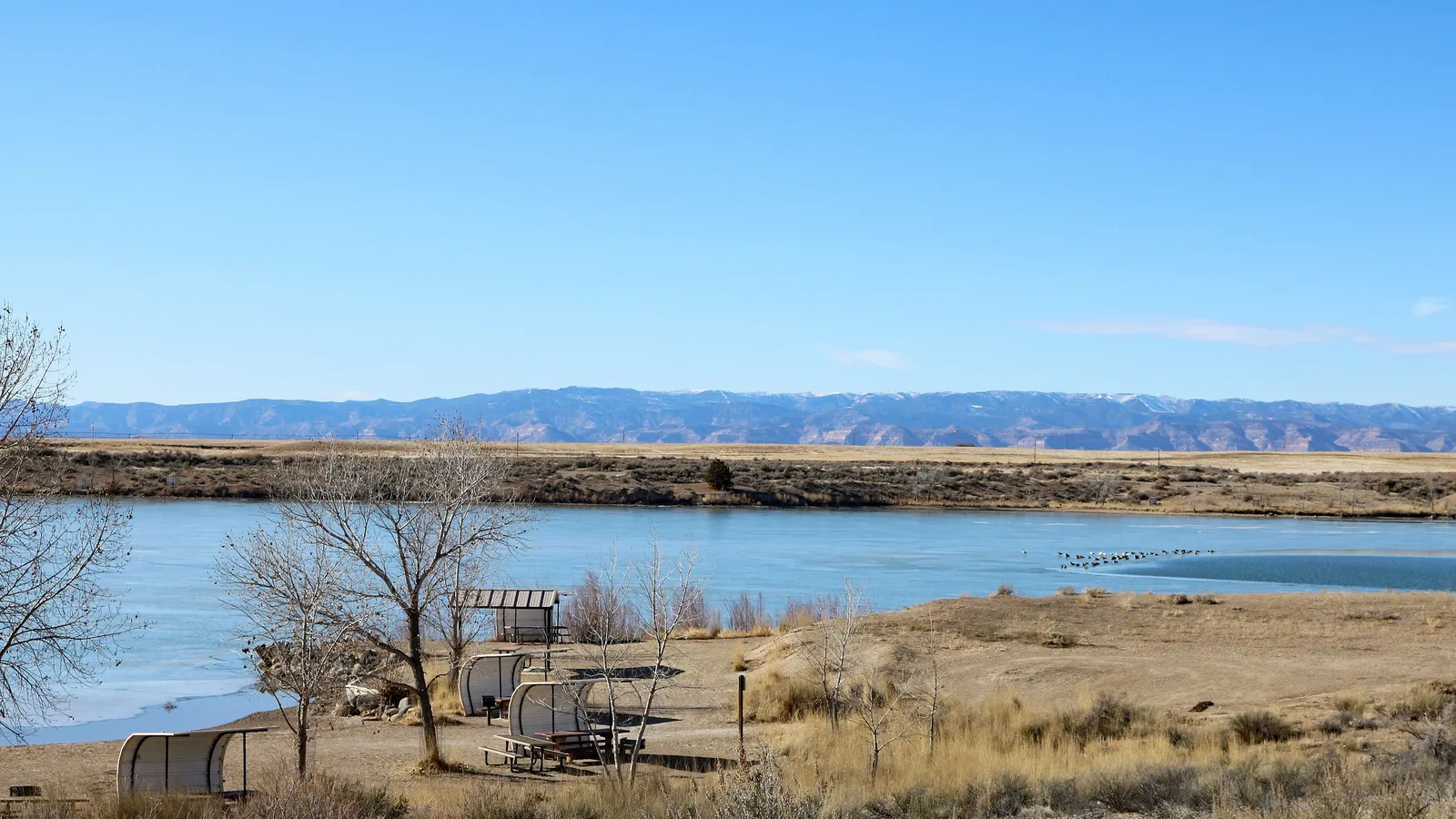
Best for: a full lake day with a swim beach. Flat water, with some motorboats.
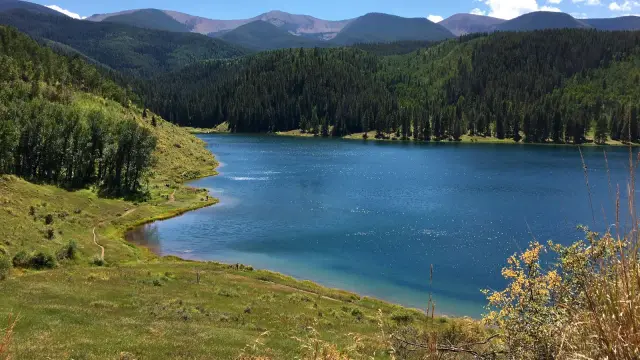
Highline Lake is northwest of Grand Junction, near Loma, at 1800 11.8 Road. It’s a reservoir with a large swim beach, picnic shelters and a campground, and the smaller Mack Mesa Lake next door also allows paddle boarding.
Where to launch: Use the East Ramp near the visitor center. It’s for hand-launched craft such as paddle boards and kayaks, and closed to motorboats. Powerboats use the West Ramp off the west entrance, so stay clear of that end and of any towed skiers. The park is open 5 a.m. to 10 p.m.; a state parks pass is required.
Rentals: Grand Junction Adventures runs a rental stand at Highline Lake with paddle boards, kayaks and tubes, including a paddle, life jacket and short safety briefing. It’s open weekends late in the season.
Good to know: Highline Lake and Mack Mesa Lake are classed as infested with zebra mussels, Colorado’s first water body to get that label. Clean, drain and dry your board before you put it in any other lake. The visitor center runs a free life jacket loaner program.
Ruby-Horsethief Canyon
Directions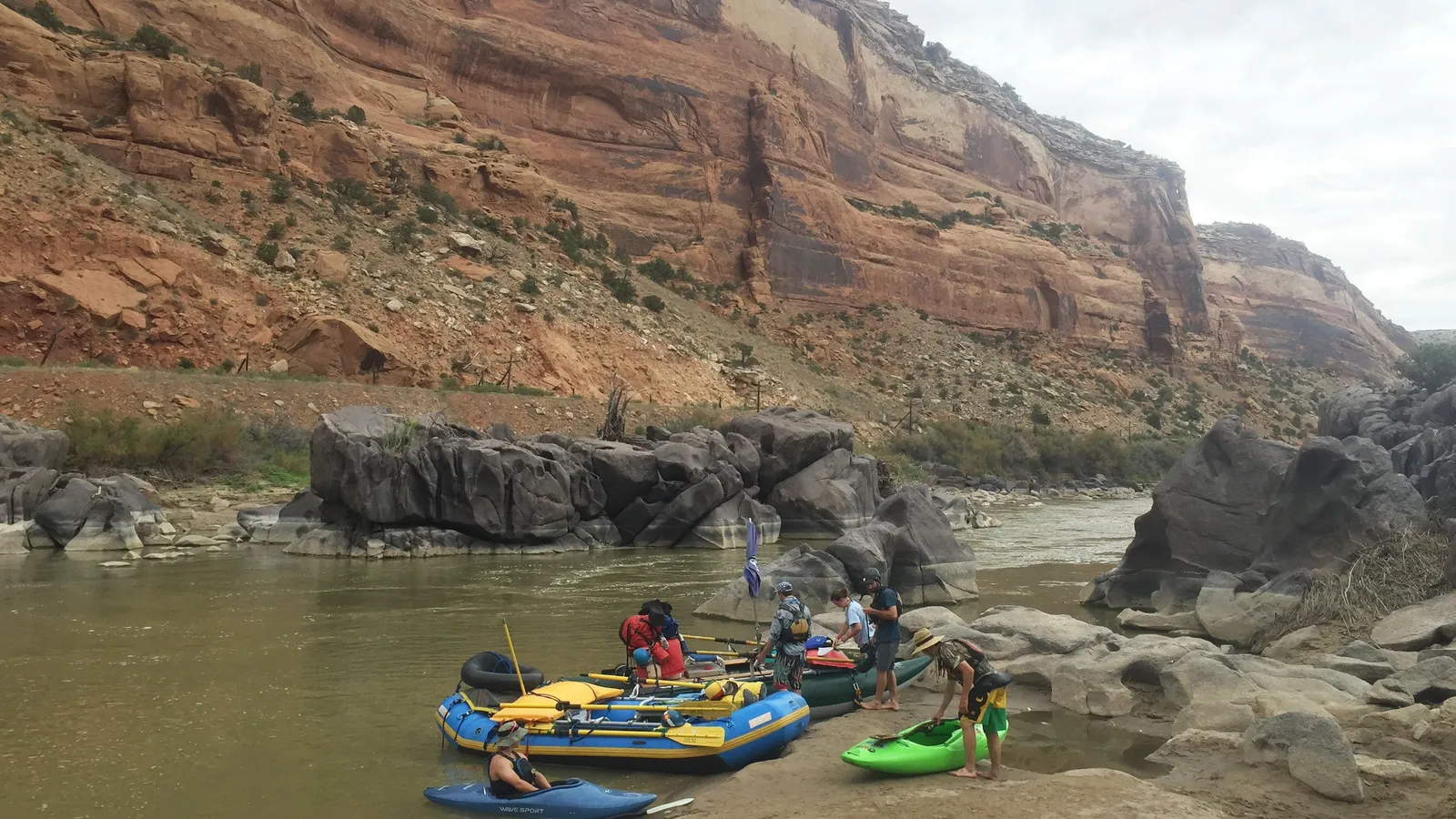
Best for: experienced paddlers and guided trips. River current, mostly flat with Class I–II riffles.
This is the Grand Valley’s signature float. The Bureau of Land Management stretch runs 25 miles from the Loma boat launch to Westwater, Utah, through red sandstone canyons in the McInnis Canyons National Conservation Area. Herons, eagles and desert bighorn sheep are all seen along the way.
Where to launch: The Loma Boat Launch is off I-70 exit 15, down a short gravel road to a primitive ramp. You need a shuttle back from Westwater, so most people book one or go with an outfitter.
Permits: No permit is needed for day use. Overnight trips need a permit for one of the designated campsites, booked on Recreation.gov up to two months ahead. Fees run April to October ($20 a night for 1 to 5 people at the time of writing), and groups can bring no more than two dogs.
Rentals and tours: Grand Junction Adventures runs guided Ruby-Horsethief floats and rents river gear.
Good to know: This is a long day even on a fast river. Carry water, sun protection and a breakaway or waist leash, and don’t attempt it during peak runoff unless you have real river experience.
When to go
The paddling season here runs from late spring to early fall. Lakes and ponds are good from May to September. Mornings are usually the calmest and coolest time to be on the water.
The Colorado River is a different story in spring. Snowmelt usually peaks in late May and June, when the river runs cold, high and fast. In high-water years local officials have warned that the river is too cold and fast for tubes and casual craft until flows drop. Mid-summer to September is when the river becomes friendly for most paddlers. The city’s River Park “lazy river” only runs from Memorial Day to early July.
We couldn’t find an official water temperature record for these lakes, but snowmelt keeps the river cold well into summer. Our wetsuit check uses water and air temperature to tell you what to wear, and the Trip time calculator helps you plan a river float.
Rules and safety in Grand Junction
Colorado treats a paddle board as a vessel. Under state boating rules:
- Life jacket: carry a US Coast Guard–approved life jacket for each person. Children under 13 must wear one. James M. Robb and Highline Lake both lend them free. See our pick of the best PFDs for SUP.
- Whistle: carry a whistle or other sound-producing device.
- Your name on the board: mark your board with your name and address, so a lost board can be traced back to you.
Invasive mussel rules:
- No ANS stamp needed. Colorado’s aquatic nuisance species stamp is required on motorboats and sailboats, not on paddle boards.
- No mandatory inspection. Hand-launched, non-motorized craft like paddle boards are exempt from Colorado’s boat inspections.
- Clean, drain and dry anyway. Zebra mussels are now in Highline Lake and the Colorado River, and it’s illegal to knowingly move them between waters. Rinse your board, fins and leash, and let everything dry before you paddle somewhere else.
River habits:
- Use a quick-release leash or none in current. A standard ankle leash can snag on a submerged branch.
- Scout put-ins and take-outs before you float, and know where you’re getting out.
- Stay out of the river at peak runoff unless you’re experienced and equipped.
FAQ
Where can beginners paddle board in Grand Junction?
Butterfly Pond at Las Colonias Park. It’s small, calm and closed to swimmers and tubes, and Grand Junction Adventures rents boards right next to it.
Do I need a permit to paddle Ruby-Horsethief Canyon?
Not for a day trip. You only need a BLM permit, booked on Recreation.gov, if you’re camping overnight in the canyon.
Do paddle boards need an ANS stamp in Colorado?
No. The stamp is for motorboats and sailboats. Paddle boards are also exempt from mandatory inspections, but you should still clean, drain and dry your board between lakes.
Can I bring my dog paddle boarding in Grand Junction?
Not at Las Colonias: dogs aren’t allowed in the River Park or ponds. Leashed dogs are allowed at James M. Robb and Highline Lake state parks. Read how to paddle board with a dog first.
Is there anywhere similar nearby?
Moab is under two hours west and has its own Colorado River floats; see where to paddle board in Moab. Heading east over the mountains, see where to paddle board in Denver. Not sure what size board to get for river and lake paddling? Try our Board Fitter.