



The best places to paddle board on the Oregon coast are its sheltered bays and lakes, not the open ocean. For a first paddle, go to Devils Lake in Lincoln City or Nehalem Bay at Wheeler, where you can rent a board right at the water. For scenery, Netarts Bay looks out on Three Arch Rocks, and the Siltcoos River winds through the Oregon Dunes to the sea.
The Oregon coast works for paddling because almost every town sits on an estuary, lake or slow river that’s protected from the Pacific swell. The trade-offs are cold water, strong tides and afternoon wind. Plan around the tide, go in the morning, and dress for a swim even in August. Every paddler 14 and older also needs Oregon’s Waterway Access Permit.
Quick answer
- First time on a board: Devils Lake in Lincoln City, launching from Regatta Park.
- Rent at the water: Wheeler Marina on Nehalem Bay rents paddle boards, kayaks and canoes.
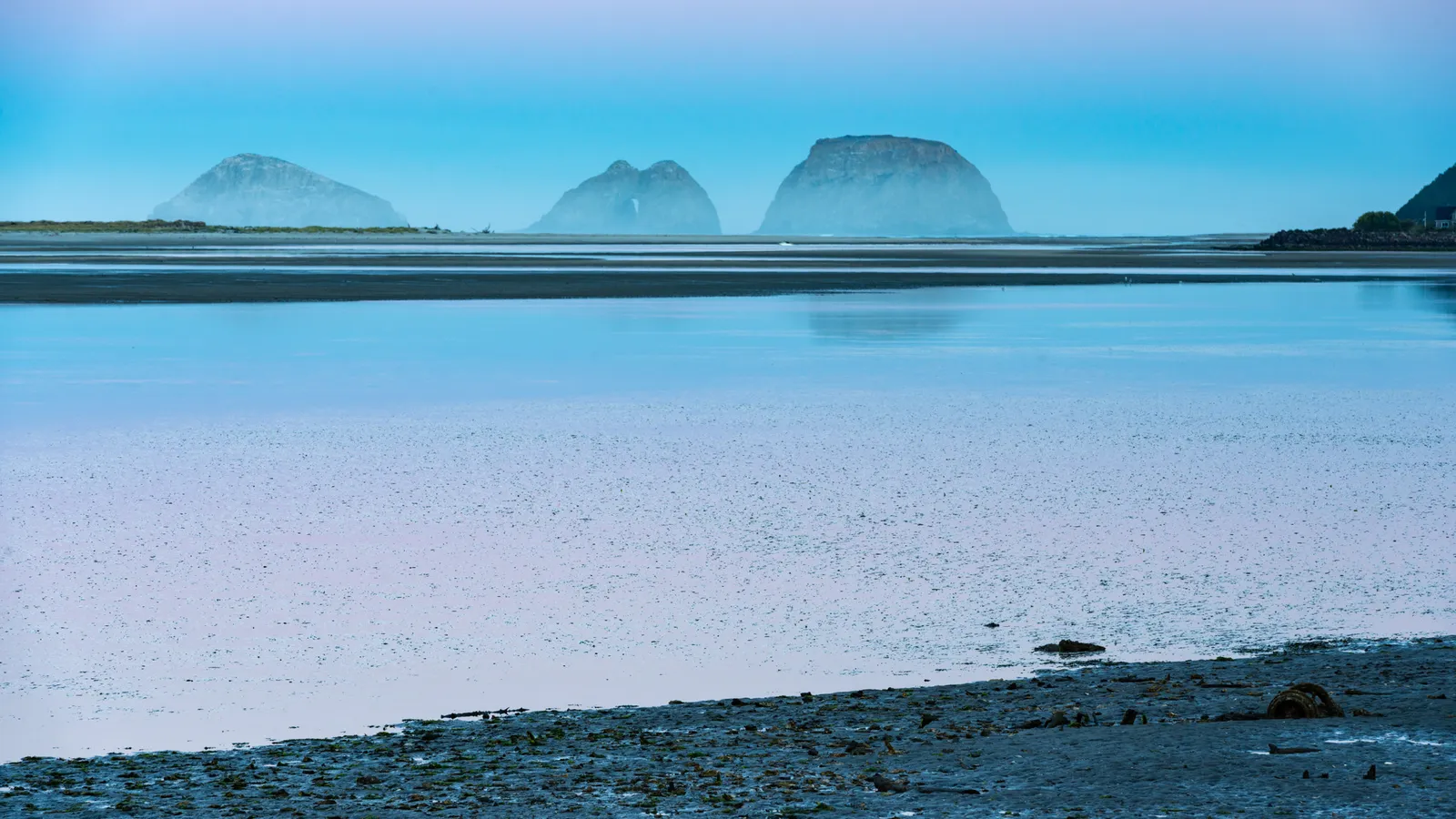
- Most scenic: Netarts Bay on a calm morning, with Three Arch Rocks on the horizon.
- A river trip: the Siltcoos River through the Oregon Dunes, south of Florence.
- Wildlife: Siletz Bay, beside the Siletz Bay National Wildlife Refuge.
The best places to paddle board on the Oregon coast
Nehalem Bay (Wheeler and Nehalem Bay State Park)
Directions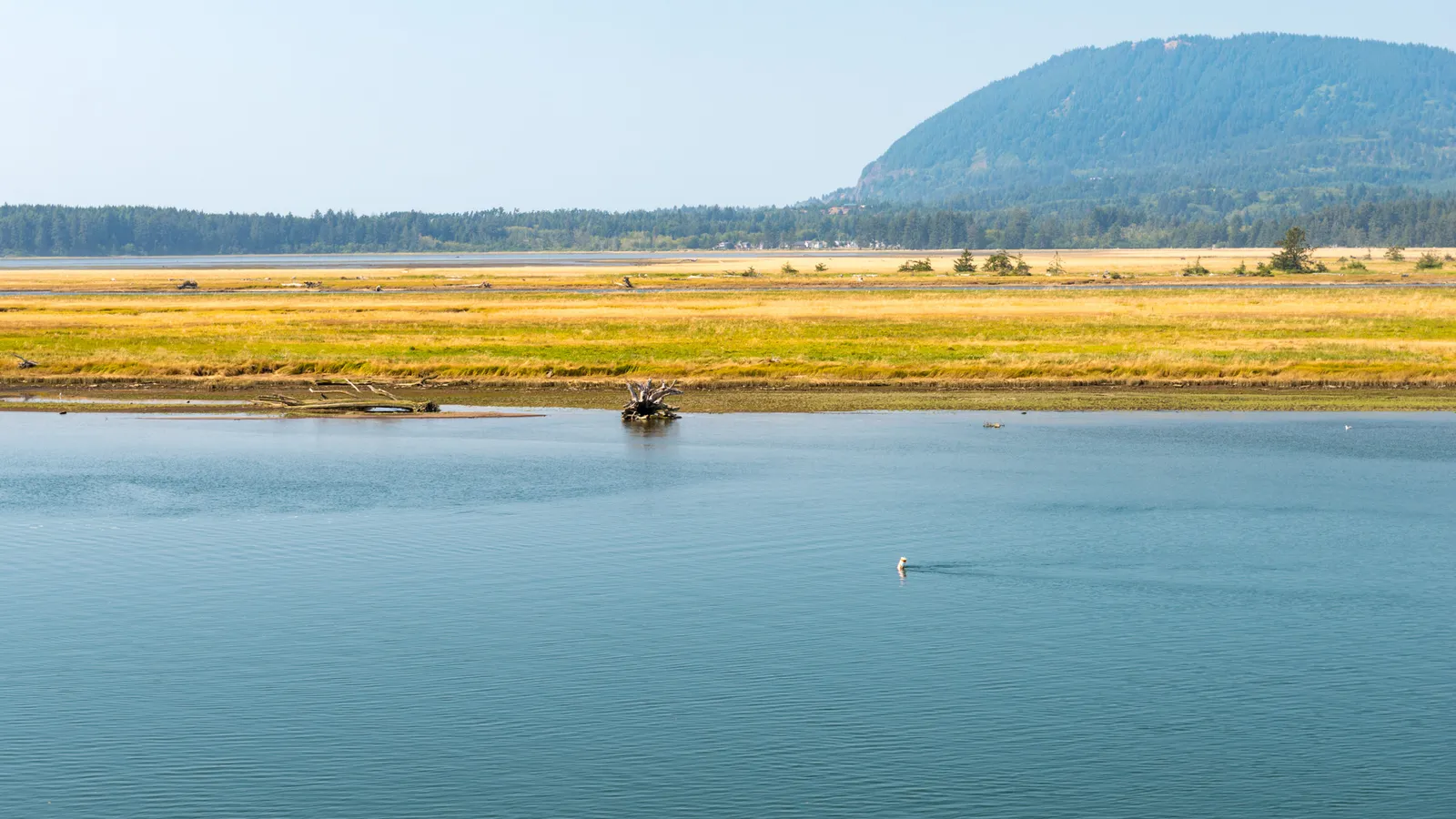
Best for: beginners and families on the north coast. Flat, tidal water.
Nehalem Bay is a long, shallow estuary between Manzanita and Wheeler on the north coast. The upper bay and the lower Nehalem River are calm on most mornings, with marsh, birds and forested hills all around.
Where to launch: In Wheeler, from Wheeler Marina (278 Marine Drive). On the other side of the bay, Nehalem Bay State Park has a bayside boat ramp with seasonal docks and a life jacket loaner station. The park needs an Oregon State Parks day-use parking permit; at the time of writing that’s $10 a day for Oregon residents and $12 for out-of-state visitors.
Rentals and lessons: Wheeler Marina rents stand-up paddle boards, kayaks and canoes, and posts tide predictions on its website. Kayak Tillamook runs guided kayak tours in the area if you’d rather sit down.
Good to know: Paddle with the tide, not against it: go up the bay on the incoming tide and come back on the outgoing. Stay well away from the bay mouth and the jetty, where the tide runs hard into the ocean. If you see seals, stay at least 50 yards away, as NOAA recommends.
Netarts Bay
Directions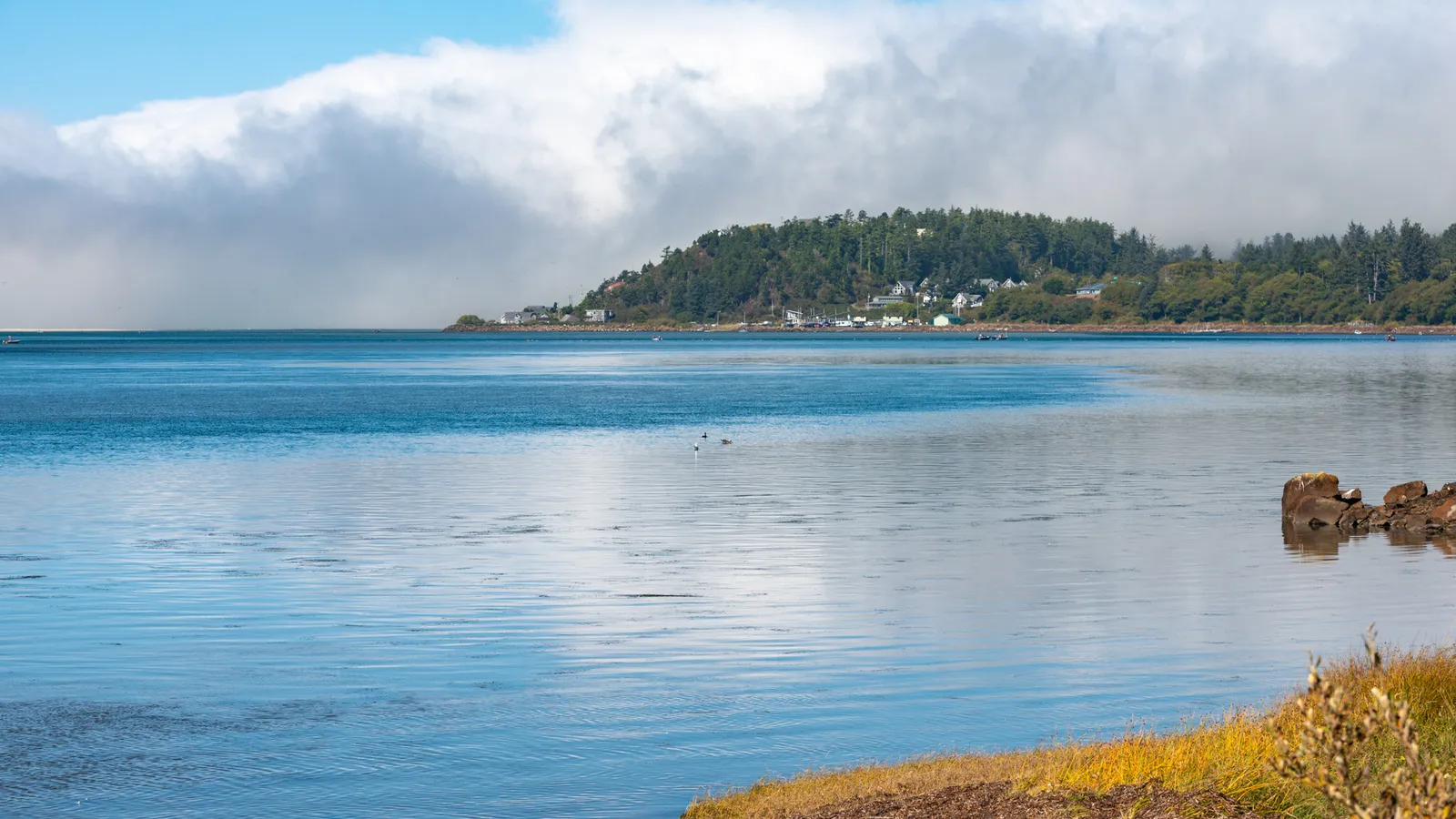
Best for: scenery and calm-morning exploring. Flat, tidal water.
Netarts Bay is a shallow saltwater bay about 7 miles long and a mile wide, between Oceanside and Cape Lookout, west of Tillamook. It’s best known for clamming and crabbing, and from the water you look out across the sand spit toward the ocean and Three Arch Rocks.
Where to launch: Netarts Landing (2065 NW Boat Basin Road), the main public boat ramp on the bay, with restrooms, picnic tables and day moorage.
Good to know: Netarts is very shallow, and big parts of it turn to mudflat at low tide. Launch an hour or two before high tide so you have water under you on the way back. Keep inside the bay; the entrance channel at the north end runs straight out to the ocean.
Devils Lake (Lincoln City)
Directions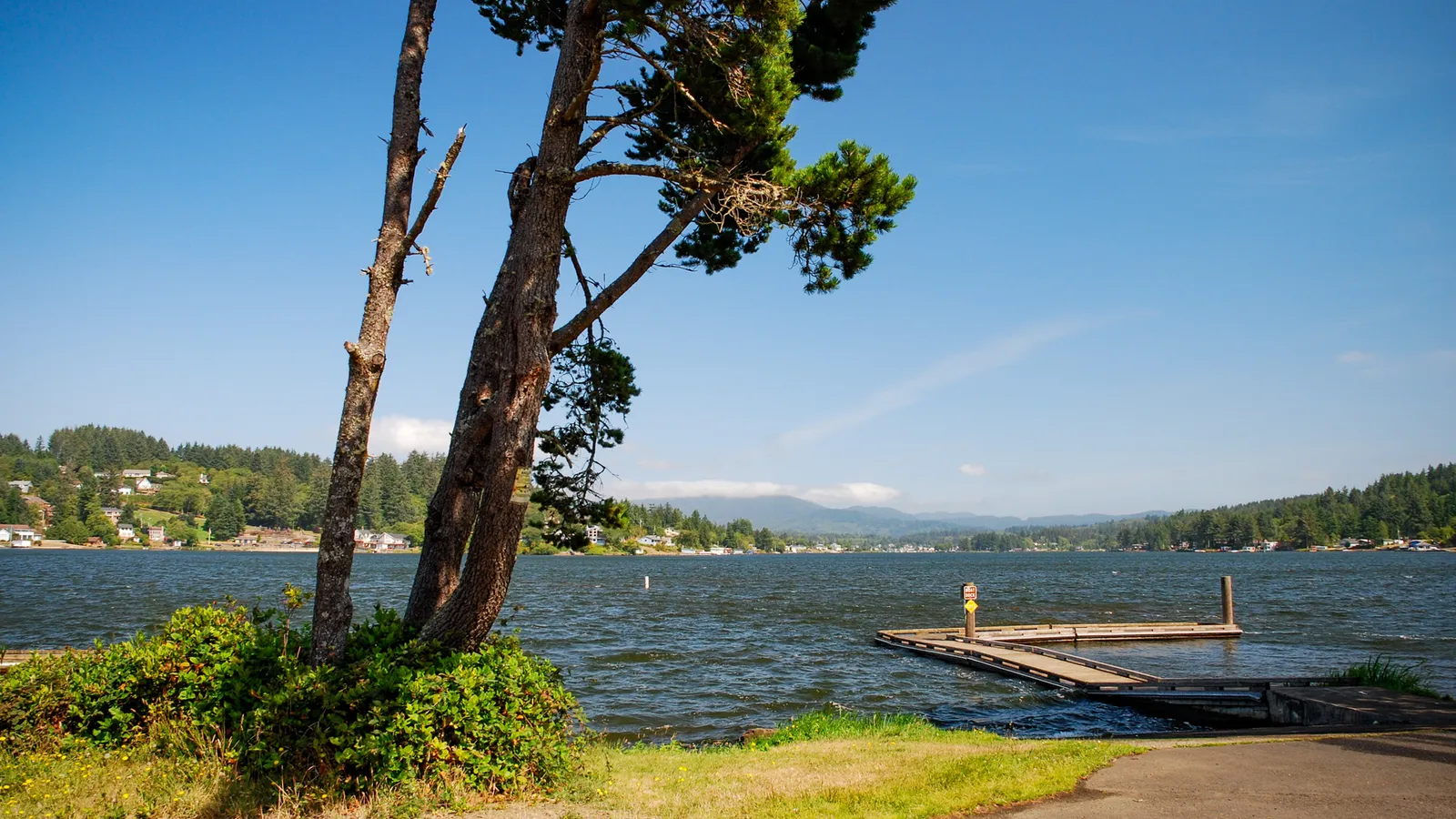
Best for: beginners, families and windy days on the coast. Flat freshwater.
Devils Lake sits just inland from Lincoln City’s beaches, and the city’s tourism office calls it one of the best places to paddle board in town because it’s calm and sheltered from coastal winds. It’s freshwater, so there’s no tide to plan around.
Where to launch: There are three public access points: Regatta Park, Holmes Road and East Devils Lake State Park. Regatta Park, on the west shore, has a boat ramp, dock, protected swimming area, restrooms and free parking. Explore Lincoln City also suggests Hostetler Park.
Rentals and lessons: Lincoln City Surf Shop (4792 SE Highway 101), Safari Town Surf Shop (3026 NE Highway 101, which offers private and group SUP lessons) and ZuhG Life Surf Shop (3219 SW Highway 101) all rent boards.
Good to know: Devils Lake is also used by powerboats, water-skiers and wakeboarders, so stay near the shore in summer afternoons. The lake has had harmful algae blooms. The Devils Lake Water Improvement District posts weekly water sampling results on dlwid.org, and the Oregon Health Authority lists current advisories at healthoregon.org/hab. Stay off water that looks scummy, pea-green or blue-green, and keep dogs out of it.
Siletz Bay (Lincoln City)
Directions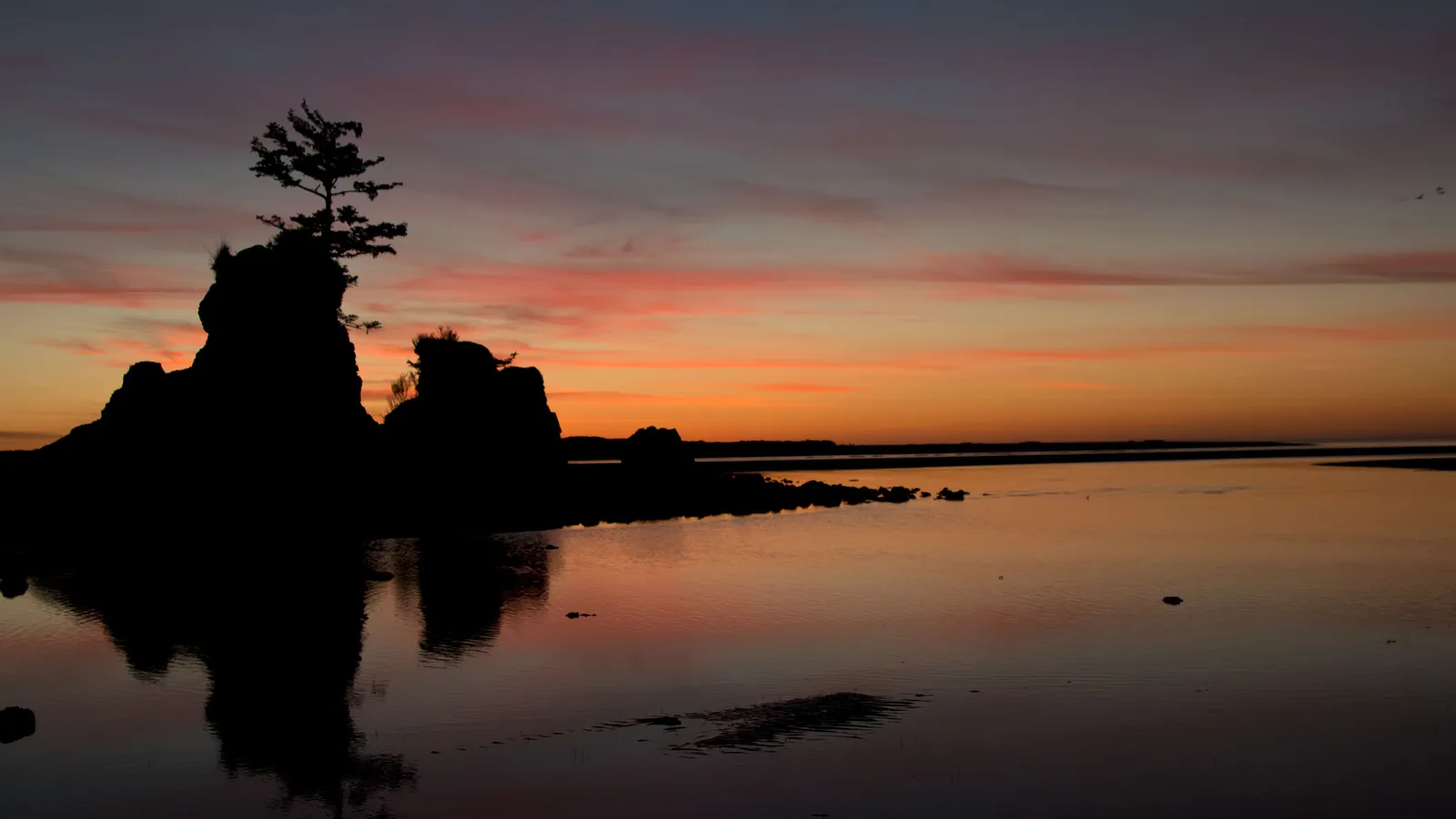
Best for: wildlife and confident beginners. Flat, tidal water.
Siletz Bay sits at the south end of Lincoln City, by the Taft district. A large sandbar shelters it from the ocean, and you can paddle out to the Four Brothers rocks in the bay or into the tidal sloughs of the Siletz Bay National Wildlife Refuge.
Where to launch: Siletz Bay Park in Taft, on the north shore of the bay. Upriver, Strome Park and the Coyote Rock RV Park & Marina are other launch points for the lower Siletz River.
Good to know: The bay drains to shallow mud and sand at low tide, and the current through the bay mouth is strong. Launch on a rising tide, stay well inside the bay, and never paddle toward the opening to the ocean.
Siltcoos River (Oregon Dunes)
Directions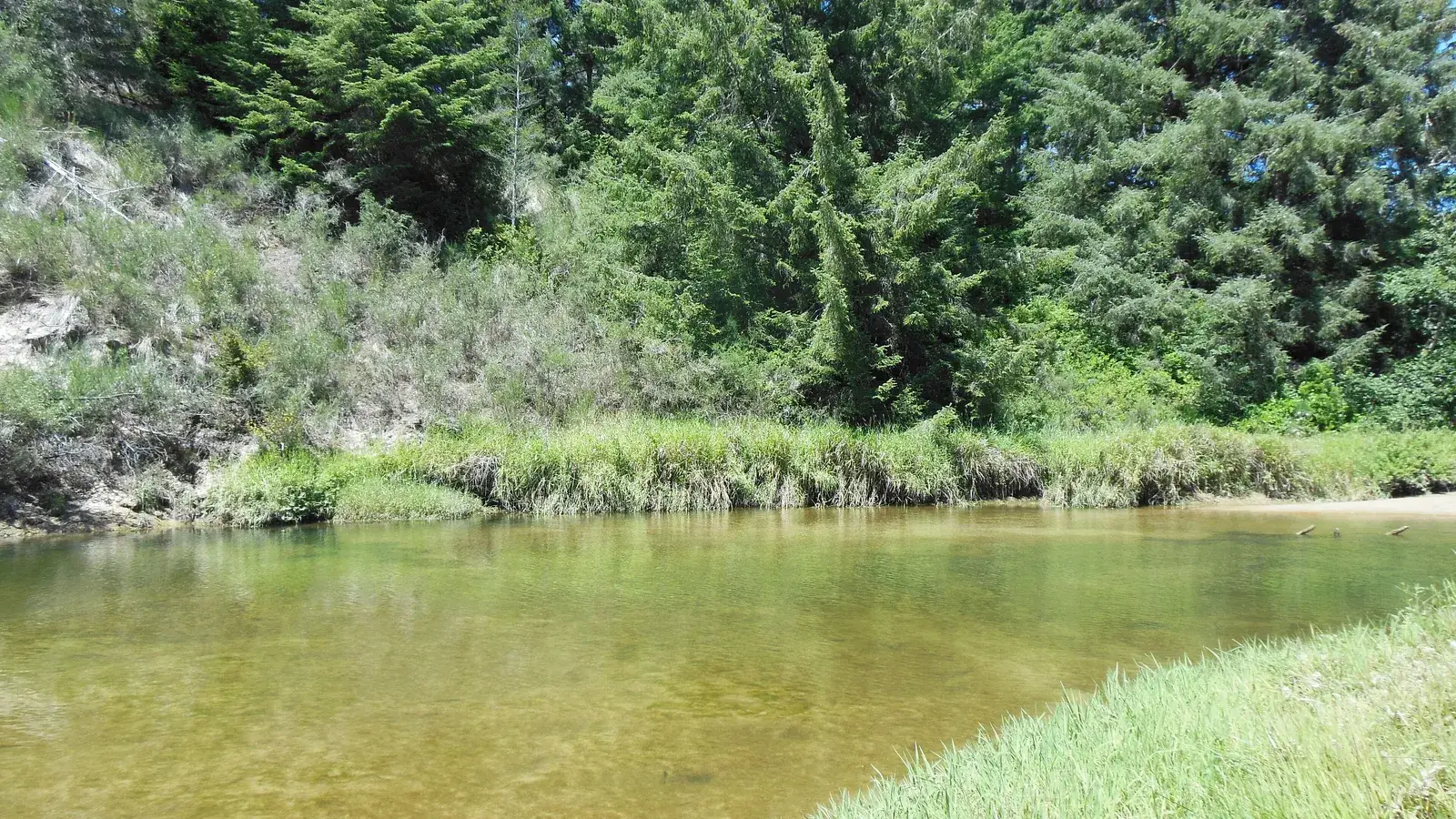
Best for: a slow river trip through forest and sand dunes. Very gentle river current.
The Siltcoos River runs about 3 miles from Siltcoos Lake to the Pacific, about 8 miles south of Florence in the Oregon Dunes National Recreation Area. It has little current and no rapids, so you can paddle it in either direction, passing from shady forest to open dunes near the mouth.
Where to launch: The Forest Service’s Tyee Boat Ramp, inside Tyee Campground (six miles south of Florence on Highway 101, then left on Pacific Avenue), is a small ramp built for canoes and kayaks on the Siltcoos Water Trail. It’s open May through September and costs $5 per vehicle per day, or a valid Northwest Forest Pass or interagency pass. The Lodgepole Picnic Area near the lake is another launch ($5 a day). There are no restrooms or drinking water at the Tyee ramp.
Good to know: A small dam just west of Highway 101 means you’ll need to carry your board around it. The beach at the river mouth is closed from March 15 to September 15 to protect nesting western snowy plovers, so turn around before you reach it in those months.
When to go
The Pacific off Oregon is cold all year. NOAA’s tide station at South Beach in Newport recorded monthly average water temperatures between about 48°F and 56°F through 2025, and summer was barely warmer than winter, because northwest winds bring cold water up from the deep in summer. The bays warm a little on sunny afternoons, and Devils Lake and the Siltcoos are warmer than the ocean in summer.
- Summer (July–September): the most settled weather and the best chance of calm mornings. Afternoons often bring strong northwest wind, so paddle early.
- Spring and fall: fewer people. Fall often has calm, clear days between storms.
- Winter: storms, high rivers and big tides. Only for experienced paddlers in proper cold-water gear.
- What to wear: a wetsuit or drysuit makes sense on the coast at any time of year. Our wetsuit check uses water and air temperature to suggest what to wear.
- Tides: check the NOAA tide tables before every bay paddle. Use our Trip time calculator to work out whether you’ll be back before the water drops.
Rules and safety on the Oregon coast
According to the Oregon State Marine Board:
- Waterway Access Permit: under a 2025 state law, every paddler 14 and older needs one for a paddle board, kayak or canoe, whatever its length. It costs $6 for 7 days, $20 for a year or $35 for two years from the Boat Oregon Store (plus a $1.50 portal fee), or a little more through ODFW. You can show it on paper or on your phone. Children 13 and under are exempt. Surfboards don’t need one, but stand-up paddle boards do. The same rules apply in our Bend and Portland guides.
- Life jacket: carry a US Coast Guard–approved life jacket for each person, readily accessible. Children 12 and under must wear one while underway. See our pick of the best PFDs for SUP.
- Sound device: carry a whistle or air horn.
- After dark: carry a white light from sunset to sunrise.
- Invasive species: all boaters, paddlers included, must stop at open aquatic invasive species inspection stations. Clean, drain and dry your board between waters.
Coast-specific safety:
- Cold water: a fall in 50°F water takes your breath away. Wear a leash and life jacket, and dress for immersion, not air temperature.
- Tides and bar crossings: never paddle through a bay mouth or jetty entrance onto the ocean bar. The outgoing tide can pull a board out faster than you can paddle.
- Wind: summer northwesterlies build through the day. Start upwind so the wind helps you home.
- Wildlife: stay at least 50 yards from seals and sea lions.
FAQ
Do I need a permit to paddle board on the Oregon coast?
Yes, if you’re 14 or older. Oregon’s Waterway Access Permit covers paddle boards of any length, from $6 for a week. State park and Forest Service launches may also need a parking or day-use pass.
Can you paddle board in the ocean in Oregon?
Experienced paddlers do, on small, clean days, but it isn’t a beginner activity. The water is cold, the surf is powerful and conditions change quickly. Stick to the bays and lakes until you’re confident, and read our guide on how to paddle board in the ocean first.
Where can beginners paddle board on the Oregon coast?
Devils Lake in Lincoln City has no tide or swell and rental shops nearby. Nehalem Bay at Wheeler is a good tidal option because you can rent at Wheeler Marina and get advice on the tide.
What’s the best time of day to paddle the Oregon coast?
Morning. Wind usually picks up in the afternoon, especially in summer. In the bays, also plan around high tide so you don’t get stranded on mudflats.
Can I bring my dog paddle boarding?
Yes, on most bays and lakes, but give it a life jacket and keep it out of any water under an algae advisory, such as Devils Lake during a bloom. Read how to paddle board with a dog before you go. The Siltcoos launch requires dogs on a 6-foot leash.
Not sure what board to bring for cold, windy coastal water? Our Board Fitter suggests a size based on your weight and the water you’ll paddle.