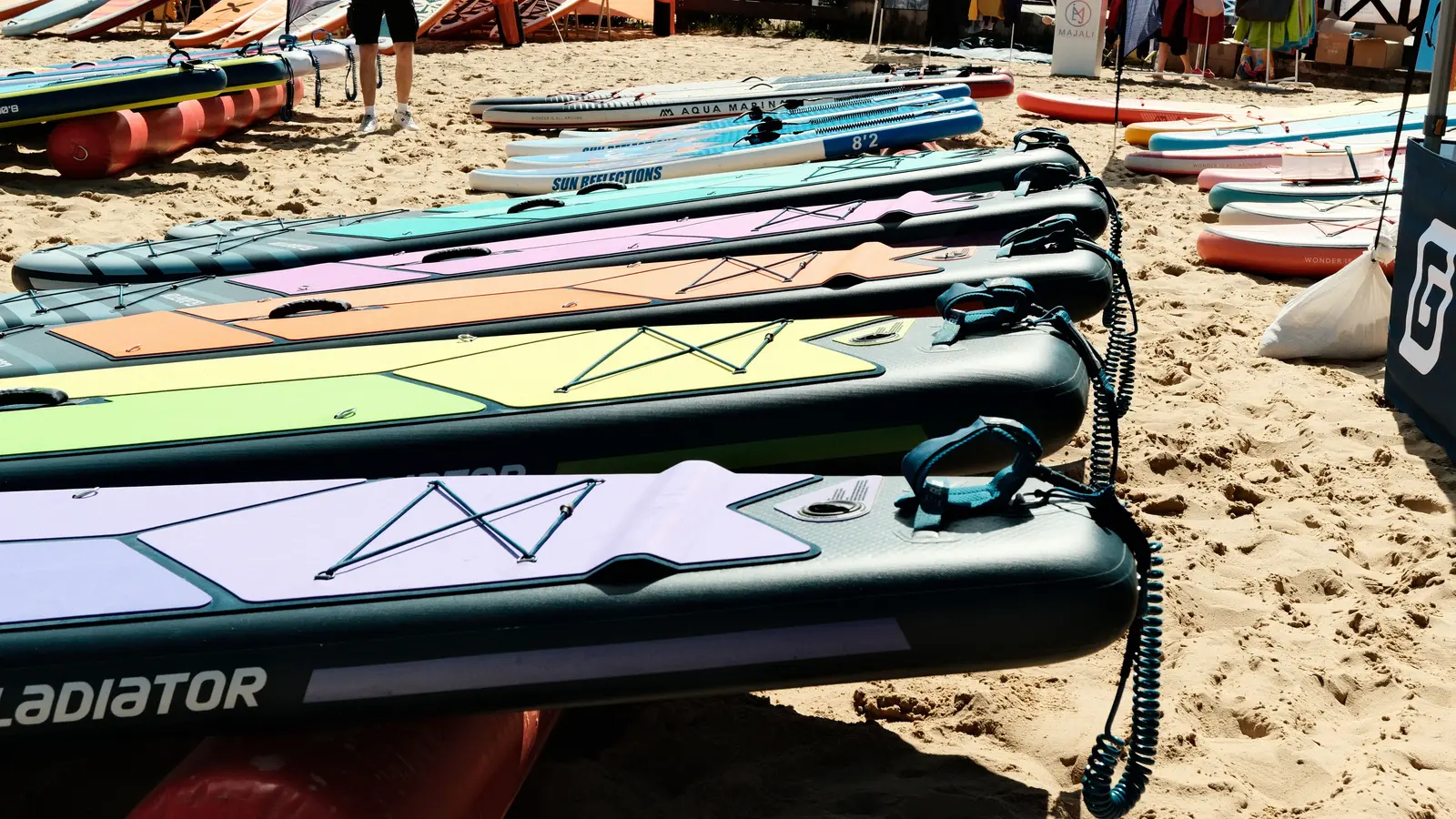
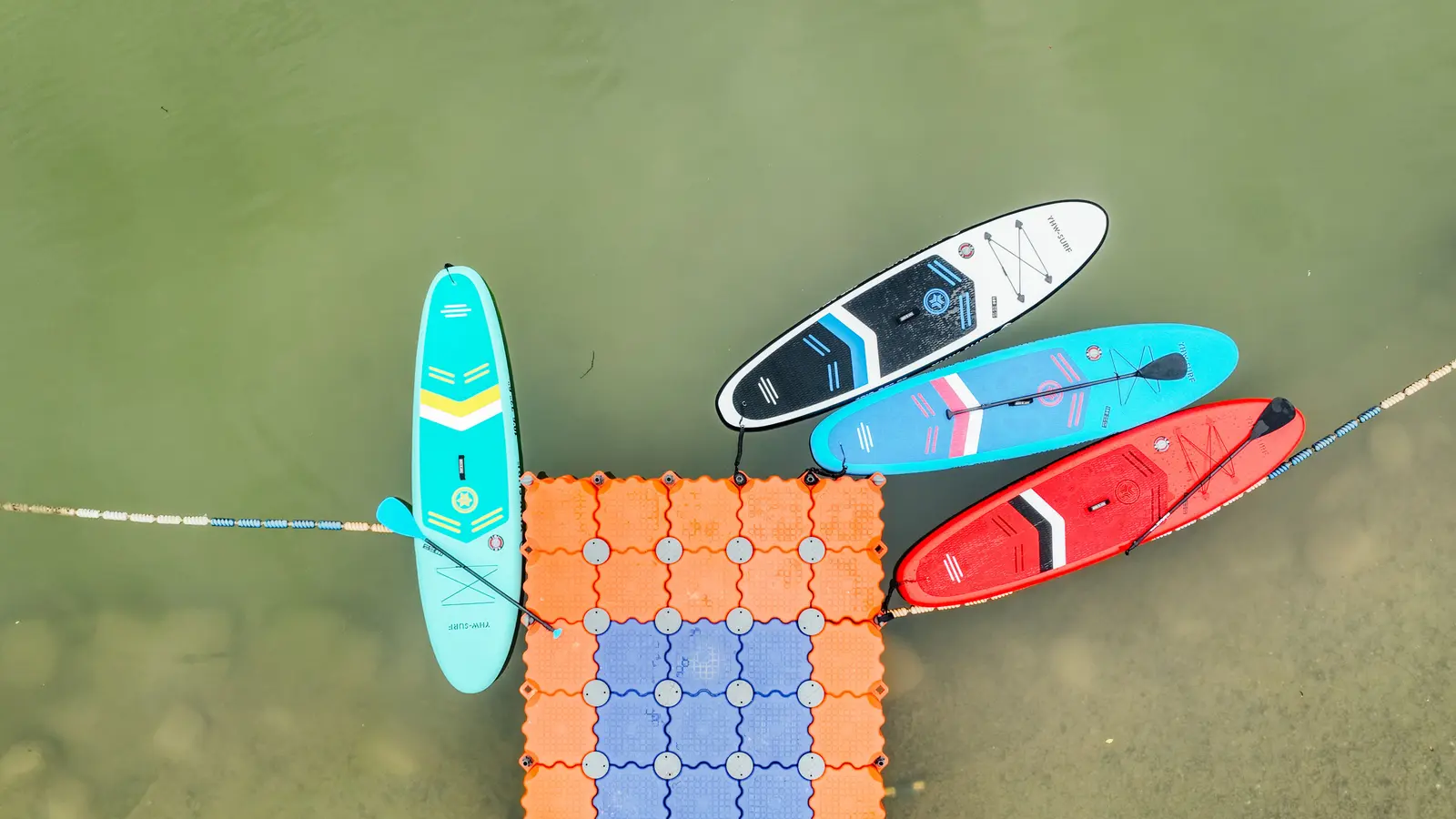
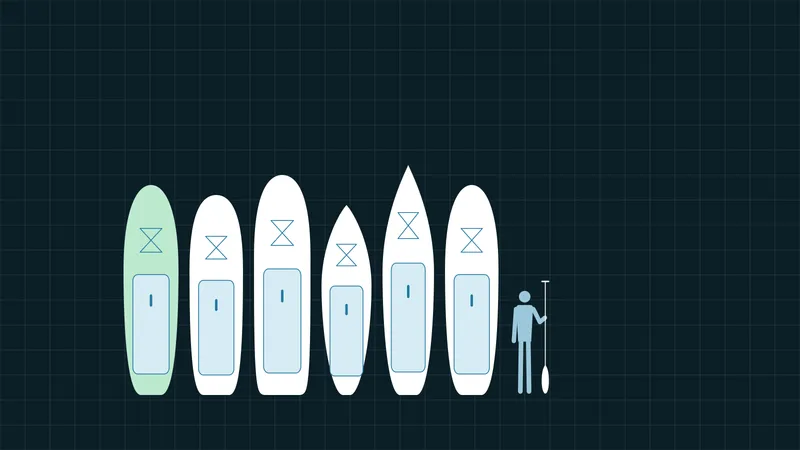
For most casual paddlers, an inflatable is the better buy: it stores in a closet, travels in the trunk and shrugs off knocks. A hard board is the better buy if you have room to store and carry it and you care about speed, glide or catching waves.

Photo: Mikhail Nilov, Pexels License
Not sure which sizes suit you either way? Our Board Fitter shows boards that fit your weight, skill and style of paddling, both inflatable and hard.
Quick answer
- Buy an inflatable if: you have limited storage, no roof rack, you travel or fly with your board, you paddle rivers or rocky shores, or you’re buying for kids and beginners.
- Buy a hard board if: you live near the water, have a garage or a rack, and want to race, tour long distances or surf waves.
- Can’t decide? Think about where the board will sit when you’re not paddling. Storage and transport settle the question for most people.
Inflatable vs hard at a glance
| Inflatable | Hard board | |
|---|---|---|
| Storage | Rolls up into a bag; fits a closet | Needs 9–12 ft of space |
| Transport | Fits in a car, even checked luggage | Roof rack or a big vehicle |
| Setup | Pump up and roll up each time | Carry it to the water and go |
| Knocks and drops | Tolerant | Can ding or crack |
| Speed and glide | Good | Better |
| Waves | Fine for small days | Better for surfing |
| Repairs | Patch kit fixes most small holes | Dings can usually be fixed, often needing proper repair |
Where inflatables win
Storage and travel
Deflated, an inflatable packs to roughly the size of a sleeping bag, according to ISLE, which makes both kinds. That means no roof rack, no garage and no board fees on a flight. If you live in an apartment, an inflatable may be the only realistic option. Our guide to packing an inflatable paddle board covers the details.
Rocks, rivers and rough handling
Inflatables take drops and scrapes better than hard boards, and independent writers at SUP Boarder Magazine note they put up with kids and dogs climbing on and off. Whitewater is the one area where inflatables are the standard choice, since a hard board can be damaged by rocks. They can still be punctured by sharp things such as shells or hooks, so carry a patch kit.
Easier on beginners
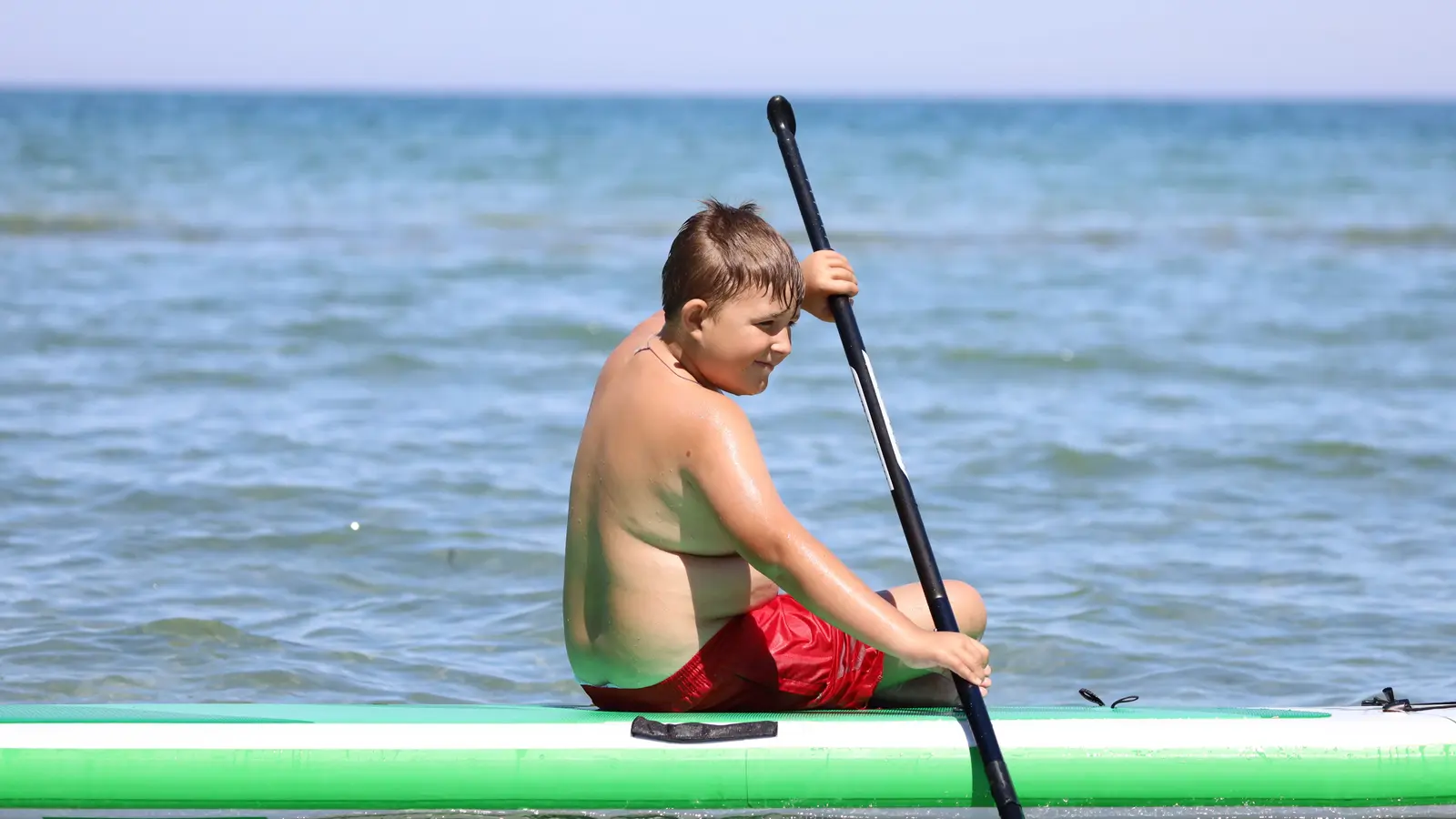
The deck is softer to fall on and kneel on. A wide all-round inflatable is plenty stable for a first board. See are inflatable paddle boards worth it? for more on this.
Where hard boards win
Speed and glide
Hard boards glide further per stroke. Germany’s SURF Magazine says a hard board is more efficient than an inflatable in every board class. ISLE’s own speed test found its hard boards about 5% faster than inflatables, and the maker says inflatables aren’t far behind. You’ll notice that on a long tour or in a race. On a relaxed lake paddle, much less so.
Waves
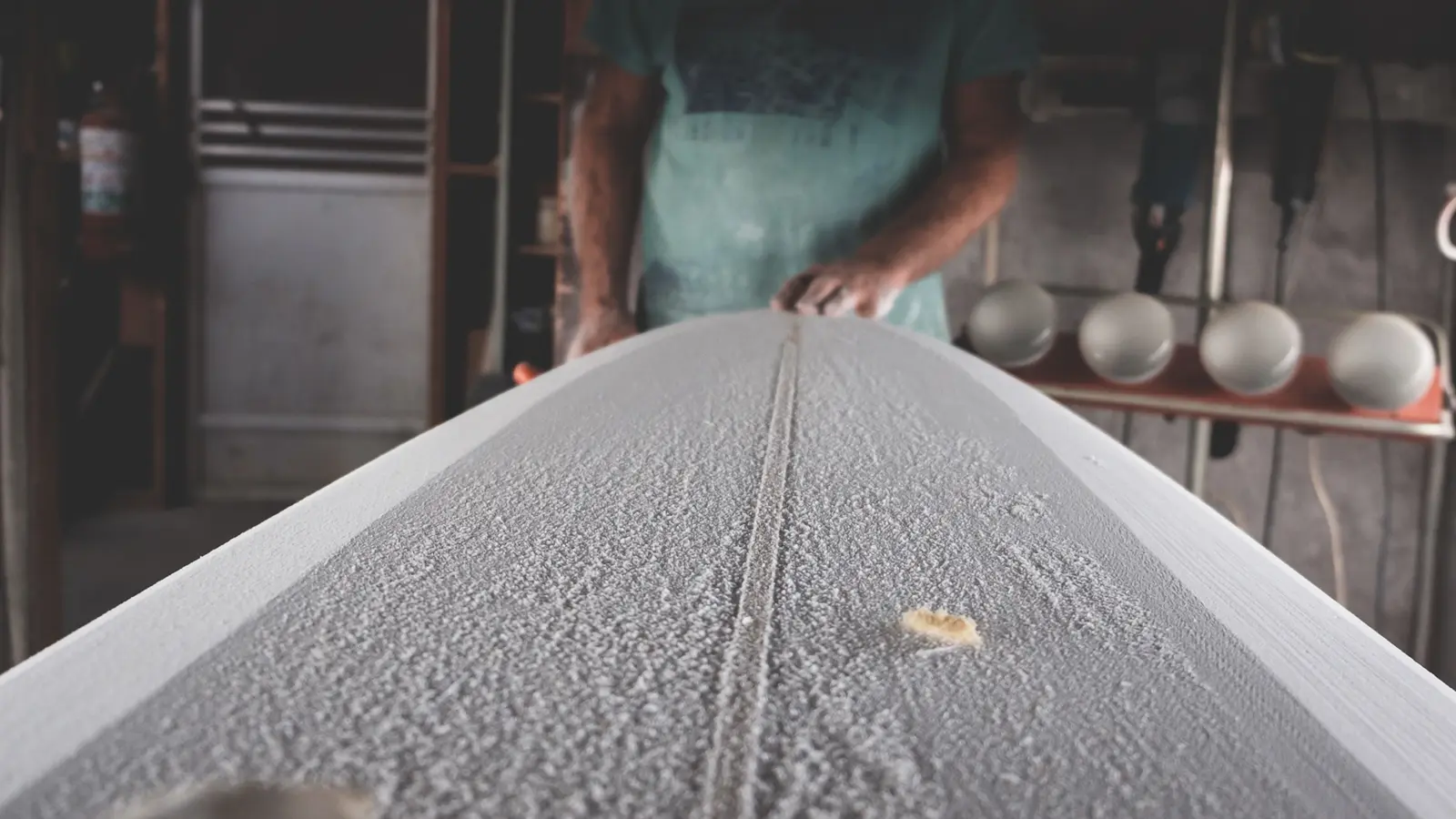
Hard boards turn and catch waves better. If SUP surfing is your main goal, buy a hard board. Our SUP vs surfboard guide explains the differences.
Quick setup
With a hard board you lift it off the car and paddle. There’s no pump, no 10 minutes of inflating and no rolling up wet fabric afterwards. If you paddle often from a nearby launch, that adds up.
Stability at the same width
SURF Magazine also notes a hard board tips less than an inflatable of the same width. A properly inflated inflatable is still stable enough for most people. Pump it to the maker’s recommended pressure, because a soft board feels wobbly. Our best SUP pumps roundup helps if hand pumping puts you off.
Where each one falls short
Inflatables: they take time to pump and pack, they sit higher on the water so wind pushes them around more, and cheap ones can fail at the seams. Choose a known brand with a real warranty.
Hard boards: they need space and a way to carry them. SURF Magazine lists these as the two deal-breakers: nowhere to store one, and no car to move it. They can be damaged by drops, docks and rocks, and some damage needs a proper repair. If you do buy one, see how to carry a paddle board and our storage rack picks.
What about price?
Prices overlap, and neither type is always cheaper. Inflatable boards have become more expensive over the years, and used inflatables tend to hold their value because wear shows mostly on the deck pad. Hard boards vary a lot with how they’re built. Check current prices before you decide, and don’t pick a type on price alone. A cheap board you can’t store or carry won’t get used.
Which should you buy?
Ask yourself these in order:
- Can you store and transport a 10–12 ft hard board easily? If not, buy an inflatable.
- Will you paddle rivers, rocky shores or travel with it? Buy an inflatable.
- Do you want to race, surf or tour long distances? Buy a hard board.
- Are you a casual lake or bay paddler with space? Either works. Pick on convenience: inflatable for carrying ease, hard for quick setup.
SUP Boarder Magazine also suggests trying both before you buy if you can.
Whichever you buy, wear a life jacket and use a leash. See do you need a life jacket on a paddle board? and our PFD picks. Then run your numbers through the Board Fitter to find a board with the right size for your weight.
FAQ
Is an inflatable or hard paddle board better for beginners?
For most beginners, an inflatable. It’s softer to fall on, easier to store and carry, and a wide all-round model is very stable. A beginner with storage space and a short walk to the water will also do well on a wide hard board.
Are inflatable paddle boards as stable as hard boards?
Close, if they’re pumped to the recommended pressure. At the same width, a hard board is a little more stable, according to SURF Magazine. Width and volume matter more than board type for most paddlers.
Which lasts longer?
It depends on how you treat it. SURF Magazine says hard boards last a long time and nearly any damage can be fixed, though they’re sensitive to impacts. A well-built inflatable lasts years too; see how long inflatable paddle boards last.
Can you surf or race on an inflatable?
You can paddle either type in most conditions, but hard boards remain the usual choice for racing and for surfing, where speed and handling matter most.
Is it worth owning both?
Some paddlers do: a hard board for local paddling and an inflatable for travel and rivers. It’s a nice-to-have, not a need. Start with the one that fits your storage and transport.