Paddle boards are expensive because they’re big, they need stiff, light materials to work well, and much of the work is still done by hand. A 10–12 foot board also costs a lot to ship and store. Good boards add design and testing, a decent paddle, and a warranty on top.
The good news: they’re not all expensive. Independent testers have picked complete inflatable packages around $230 at the time of writing, and plenty of solid first boards cost well under $1,000.
Quick answer
- Materials: fiberglass, epoxy and carbon (hard boards) and multi-layer PVC with drop-stitch (inflatables) cost more than simple plastic.
- Labor: hard boards are shaped, laminated and finished with a lot of hand work.
- Size: a 10′6″ board uses a lot of material and is bulky to ship.
- Design and testing: better brands spend on shapes, stiffness and quality control.
- What’s in the box: paddle, pump, leash and bag add up, and quality varies a lot.
- Warranty and support: longer warranties cost the brand money, and it’s priced in.
How much does a paddle board cost?
These are rough ranges, based on list prices for boards that independent testers have recommended, at the time of writing.
| Type | Typical price | Examples |
|---|---|---|
| Budget inflatable package | about $200–$400 | Niphean Classic 10′6″, around $230, OutdoorGearLab’s Best Buy |
| Mid-range inflatable | about $500–$800 | BOTE Wulf Aero 10′4″, around $580, an OutdoorGearLab Editors’ Choice |
| Premium inflatable | about $800–$1,300+ | Red Paddle Co Ride 10′6″, around $930, Paddling Magazine’s Best All-Around |
| Rotomolded plastic hard board | about $500 | Pelican Flow 106, heavy but tough |
| Epoxy hard board | about $1,000–$1,500 | Surftech Lido 10′6″, around $995 |
| Carbon race and touring boards | $2,000 and up | High-end models from major brands |
So the honest answer to “why are paddle boards so expensive?” is partly: the ones you’ve been looking at might be premium boards. There’s a big spread.
What you’re paying for
Materials
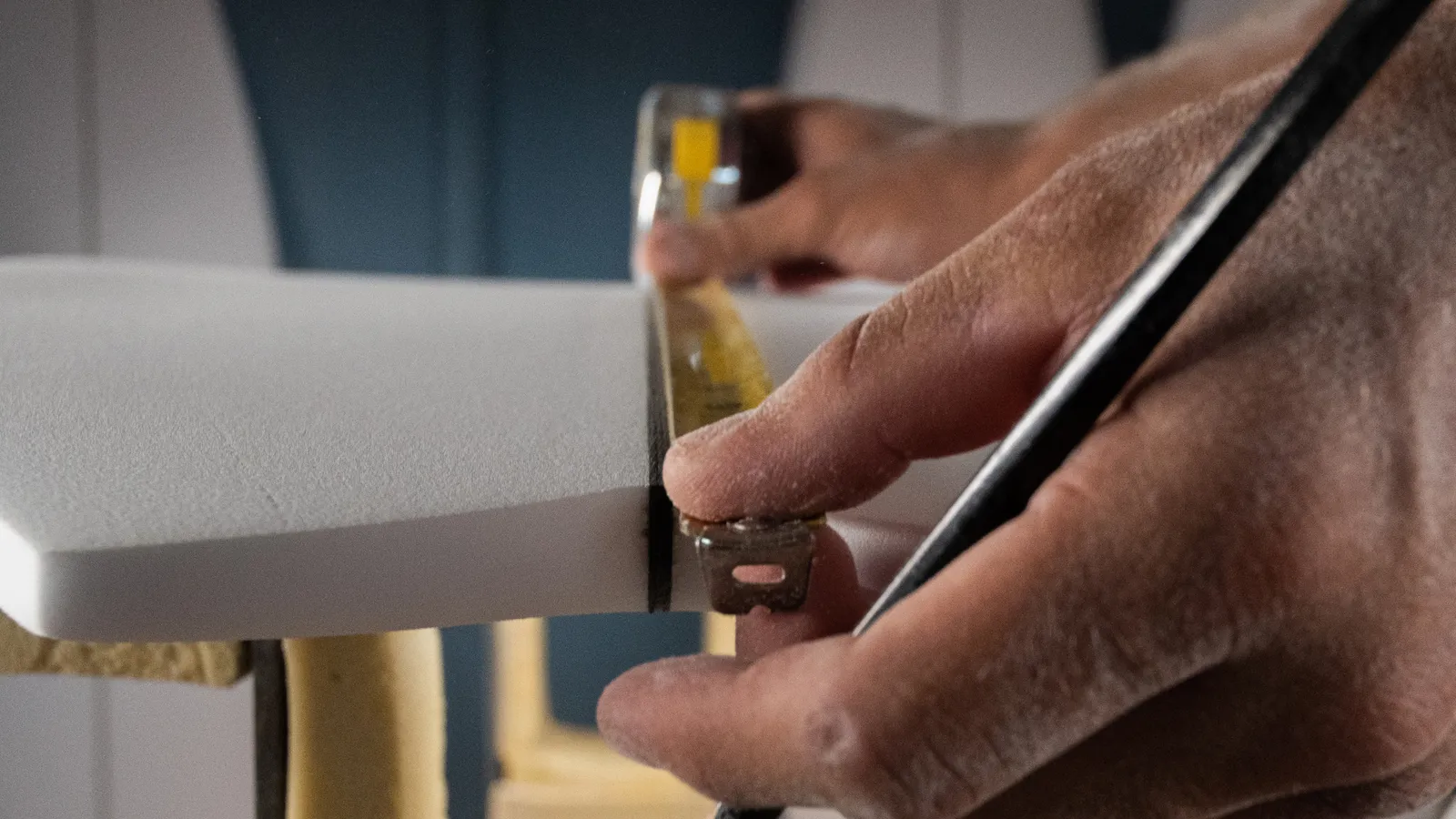
A hard board is an EPS foam core wrapped in fiberglass cloth and epoxy resin, and sometimes carbon fiber or a wood veneer. Epoxy and carbon aren’t cheap, and you need a lot of them to cover a board this size.
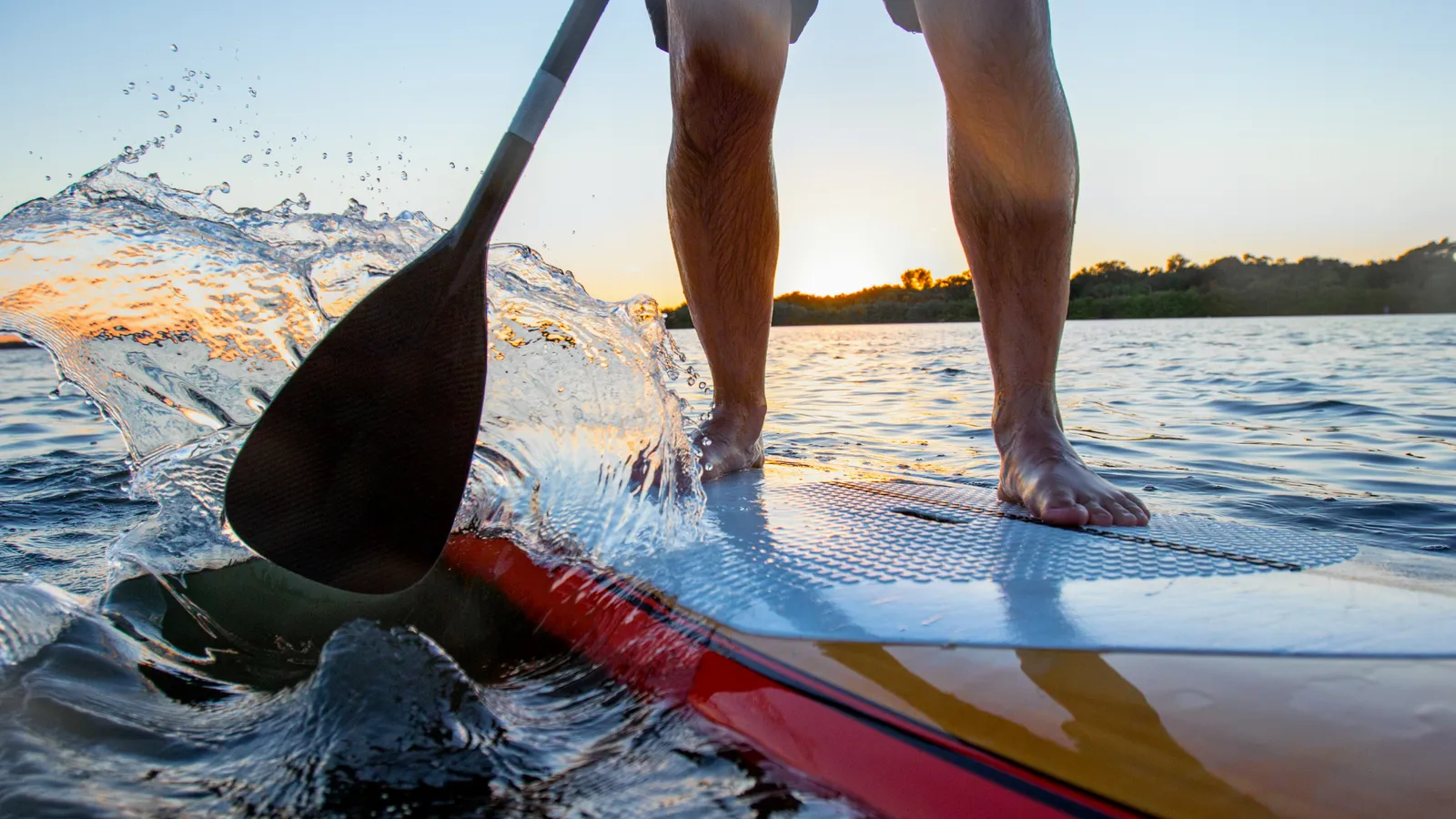
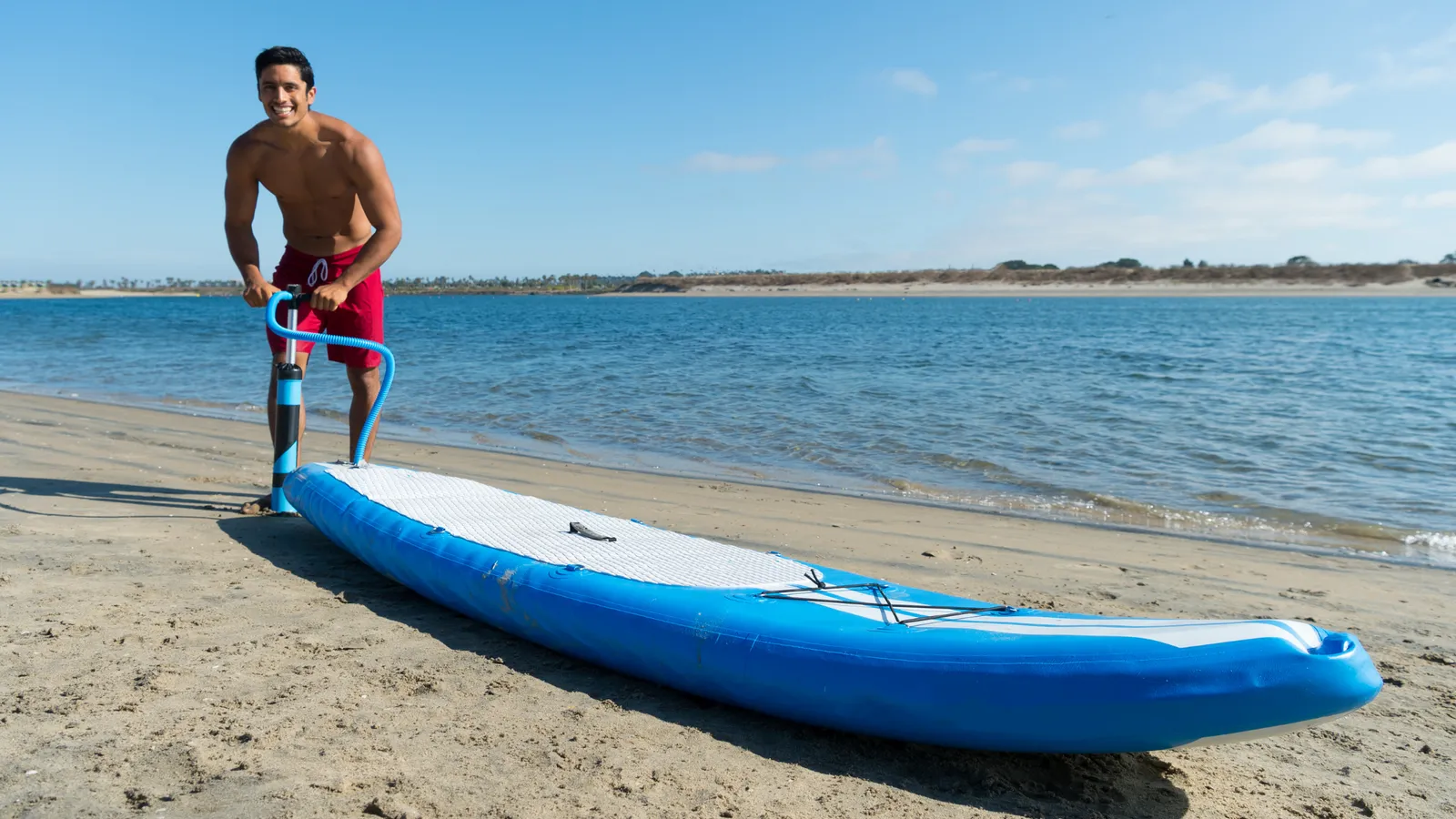
Inflatables use drop-stitch fabric (two layers tied together by thousands of threads) coated in PVC. Cheap boards use a single PVC layer. Better boards add a second laminated layer, stiffer rails, or newer woven drop-stitch, all of which cost more.
Our guide to what paddle boards are made of explains each construction.
Construction and labor
Hard boards involve shaping, laminating layer by layer, curing, sanding and finishing. Even in a factory, much of that is hand work, and it takes time. Molded “pop-out” boards are quicker to make, but the molds are expensive, so brands need to sell a lot of each shape.
Inflatables are more automated, but seams and rails still need careful gluing or welding. That’s where cheap boards cut corners, and where leaks start.
Size
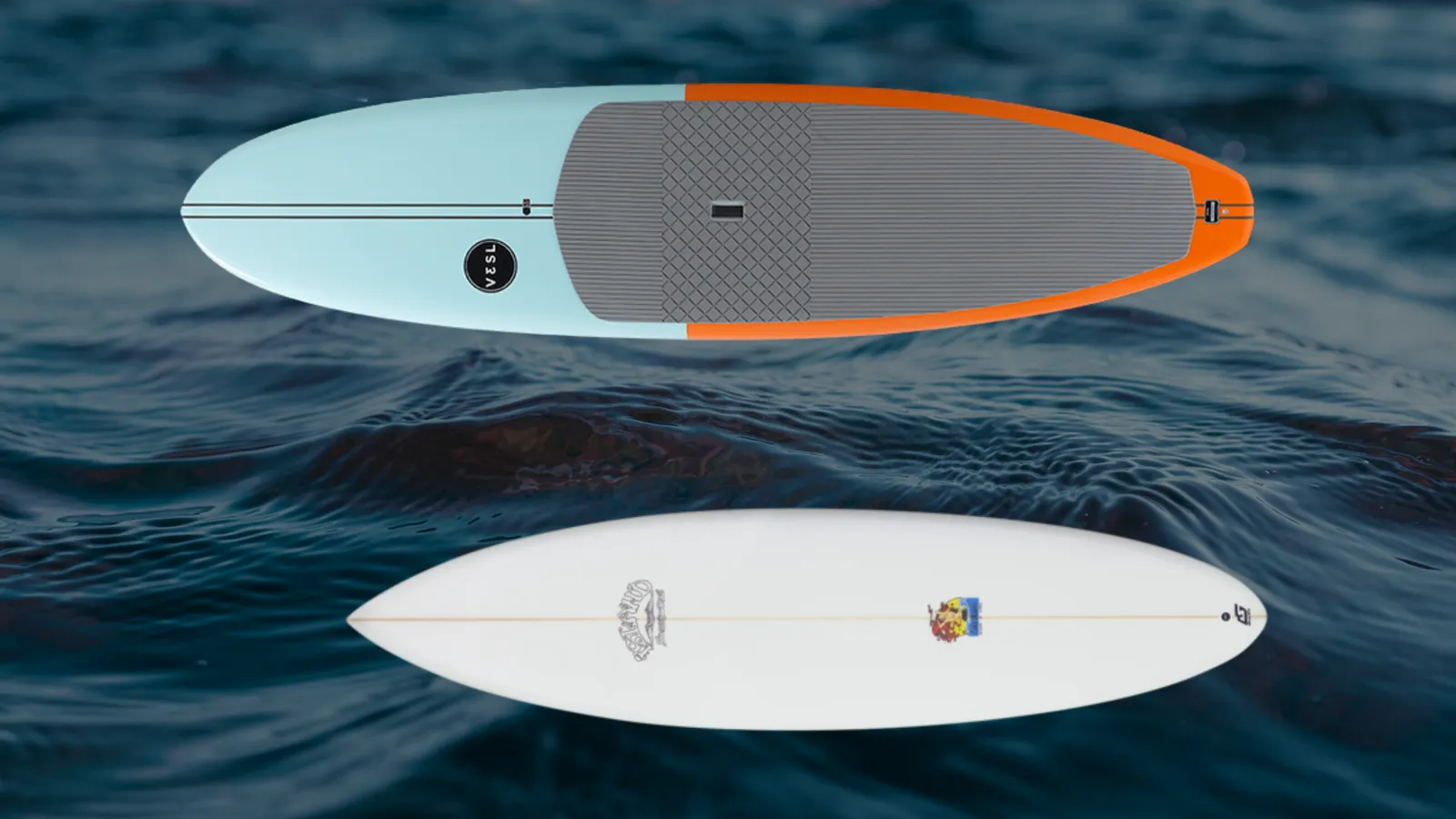
A typical all-round board is about 10′6″ long and 32–34″ wide. That’s a lot more material than a surfboard, and a lot more box to ship. Hard boards often ship as oversized freight, which costs more and risks damage on the way. Inflatables pack small, which is one reason they cost less.
Design and testing
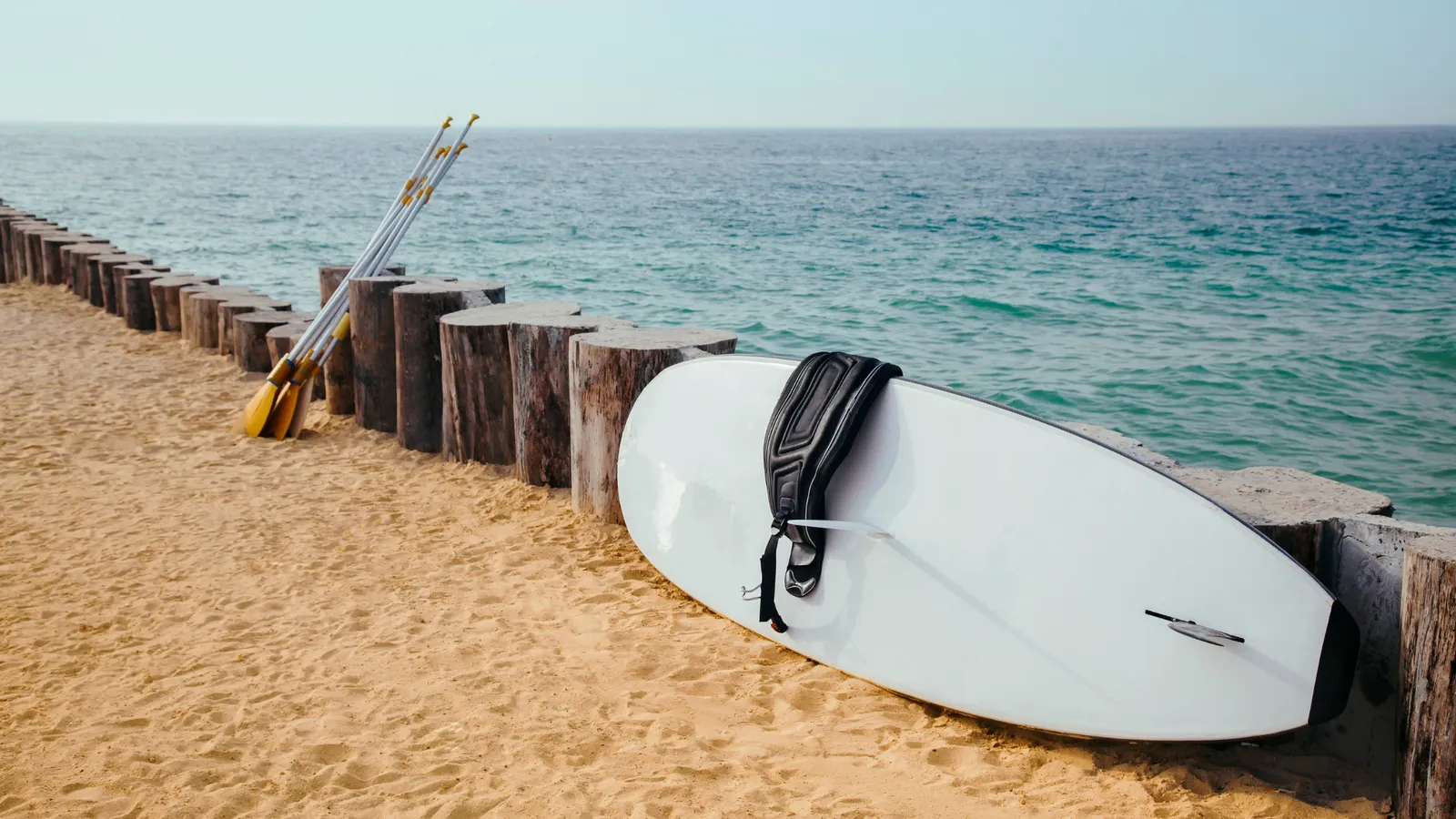
Better brands spend money on board shapes, fin systems, stiffness testing and quality control. Some of that shows up as glide and stability on the water. Some of it is marketing. Testers’ reviews are the best way to tell which is which.
The package and warranty
A $250 package and a $900 package both include a paddle, pump, leash and bag. The cheap paddle is usually a heavy aluminum one; the expensive one may be fiberglass or carbon. Better pumps inflate faster to the full pressure the board needs. Warranties also differ: iROCKER, for example, covers its boards for two years and side-seam leaks for three on most models.
Are cheap paddle boards worth it?
Often, yes, for flat water and casual use. Testers have found some budget inflatables genuinely good for beginners. What you usually give up:
- Stiffness: cheaper inflatables flex more, especially under heavier paddlers.
- Paddle quality: budget paddles are heavy and tiring.
- Durability: seams and valves on the cheapest boards are where problems start.
- Support: short warranties and slower customer service.
If you’re over about 200 lb, the extra stiffness of a better board makes more difference. Our Board Fitter helps you find a size that fits your weight, which matters more than the price tag. For budget picks, see the best paddle boards under $400.
How to pay less
- Buy at the right time. Prime Day, Labor Day and end-of-season sales are the usual low points. See when is the best time to buy a paddle board.
- Buy last year’s model. Boards rarely change much year to year.
- Upgrade the paddle later. A good budget board with a better paddle can beat a mid-range package.
- Consider used carefully. It can save money, but check it properly first. Our guide to buying a used paddle board explains what to check.
FAQ
Why are inflatable paddle boards cheaper than hard boards?
They take less hand work, use less expensive materials than fiberglass and carbon, and ship in a small box. Good ones are still not cheap, because stiff multi-layer construction costs more.
What’s a reasonable price for a first paddle board?
Roughly $250–$800 for a complete inflatable package covers most first-time buyers. Spend more if you’re heavier, paddle a lot, or want a lighter, stiffer board.
Are paddle boards more expensive than kayaks?
Often, but not always. Cheap rotomolded kayaks are among the least expensive ways onto the water. Our guide to why paddle boards cost more than kayaks compares them.