Shem Creek in Mount Pleasant is the best place to paddle board in Charleston for most people: it’s sheltered, rental outfitters sit right on the water, and dolphins regularly swim up the creek. For a wilder, quieter paddle, head to the Kiawah River on Johns Island, where the marsh creeks are lined with bird rookeries and hidden beaches.
Charleston works for paddling because it’s built on water. Tidal creeks, rivers and salt marsh wrap around every part of the metro area, so you can usually find a sheltered paddle even when the ocean is rough. The catch is the tide: this is a big-tide coast, and the current in the creeks and rivers matters more than the wind on most days.
Quick answer
- First time on a board: Shem Creek, with a rental and a short paddle up the creek away from the harbor.
- Best for dolphins: Shem Creek or the Folly River. Both have resident dolphins that feed in the creeks.
- Most peaceful: the Kiawah River on Johns Island, through the marsh creeks.
- Near downtown: the Ashley River from Northbridge Park in West Ashley.
- Bring your own board: the Folly River Boat Landing, or a county landing set up for paddle craft.
The best places to paddle board in Charleston
Shem Creek (Mount Pleasant)
Directions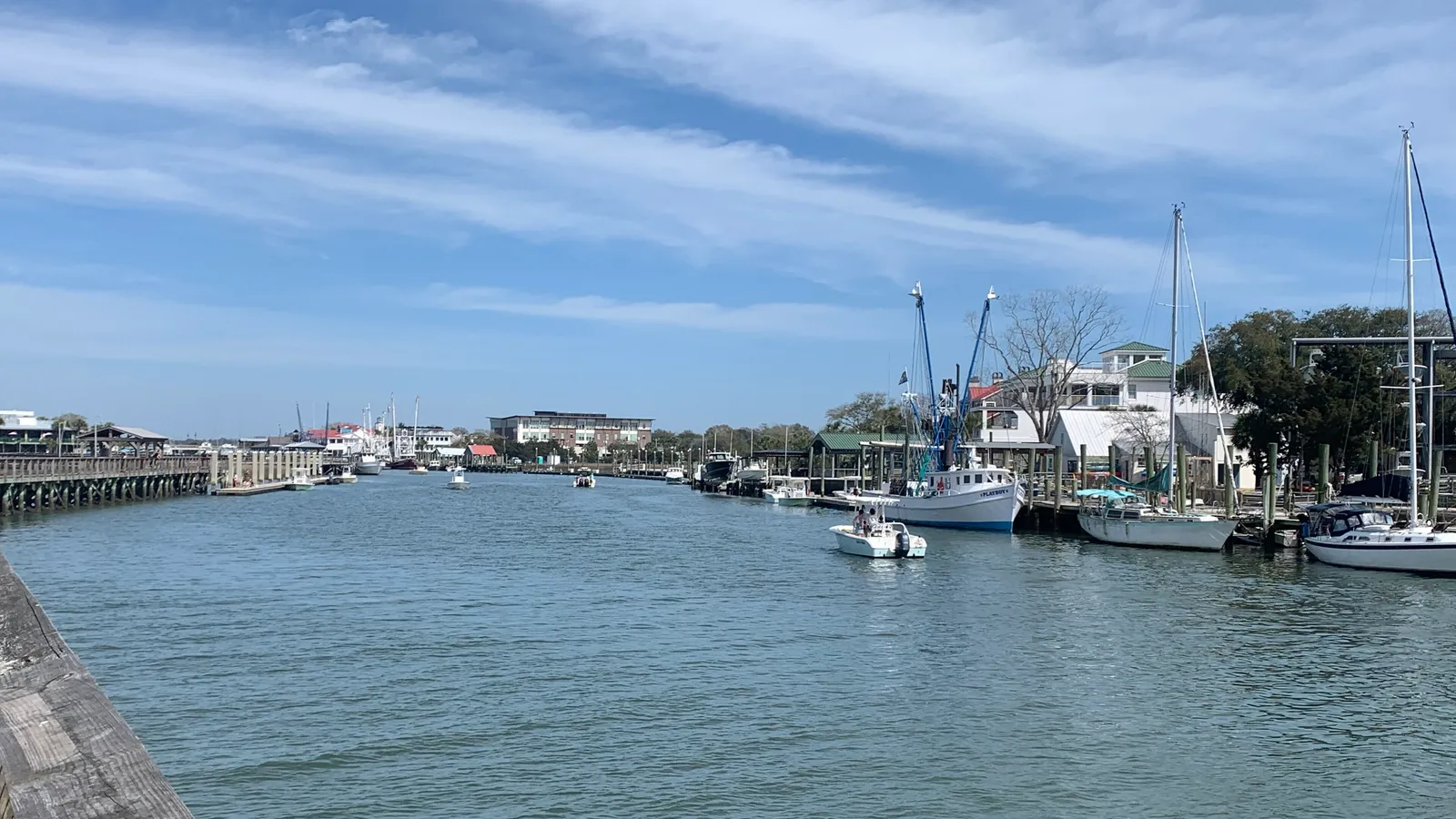
Best for: beginners, dolphin spotting, a paddle followed by dinner. Tidal creek, mostly flat.
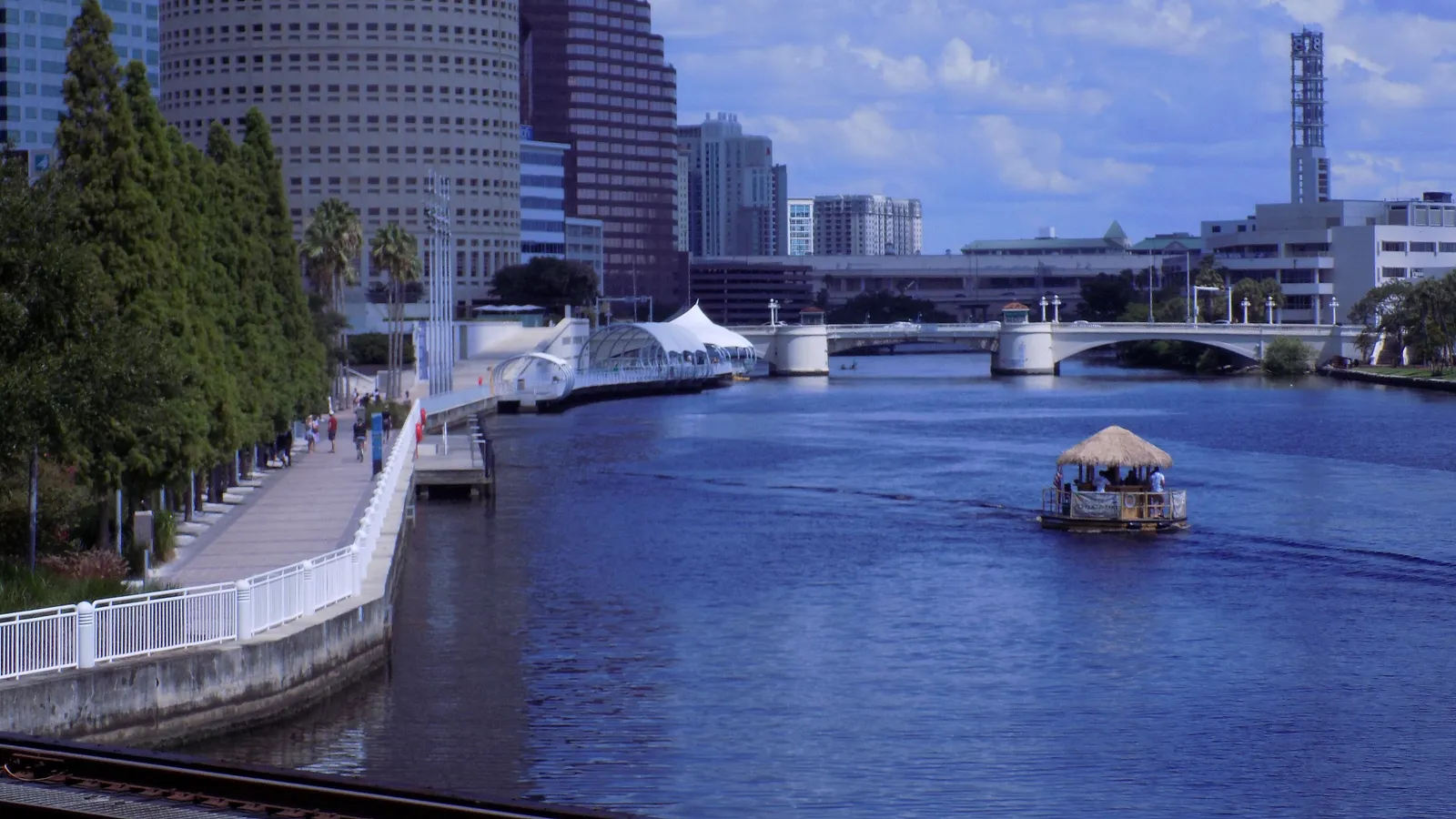
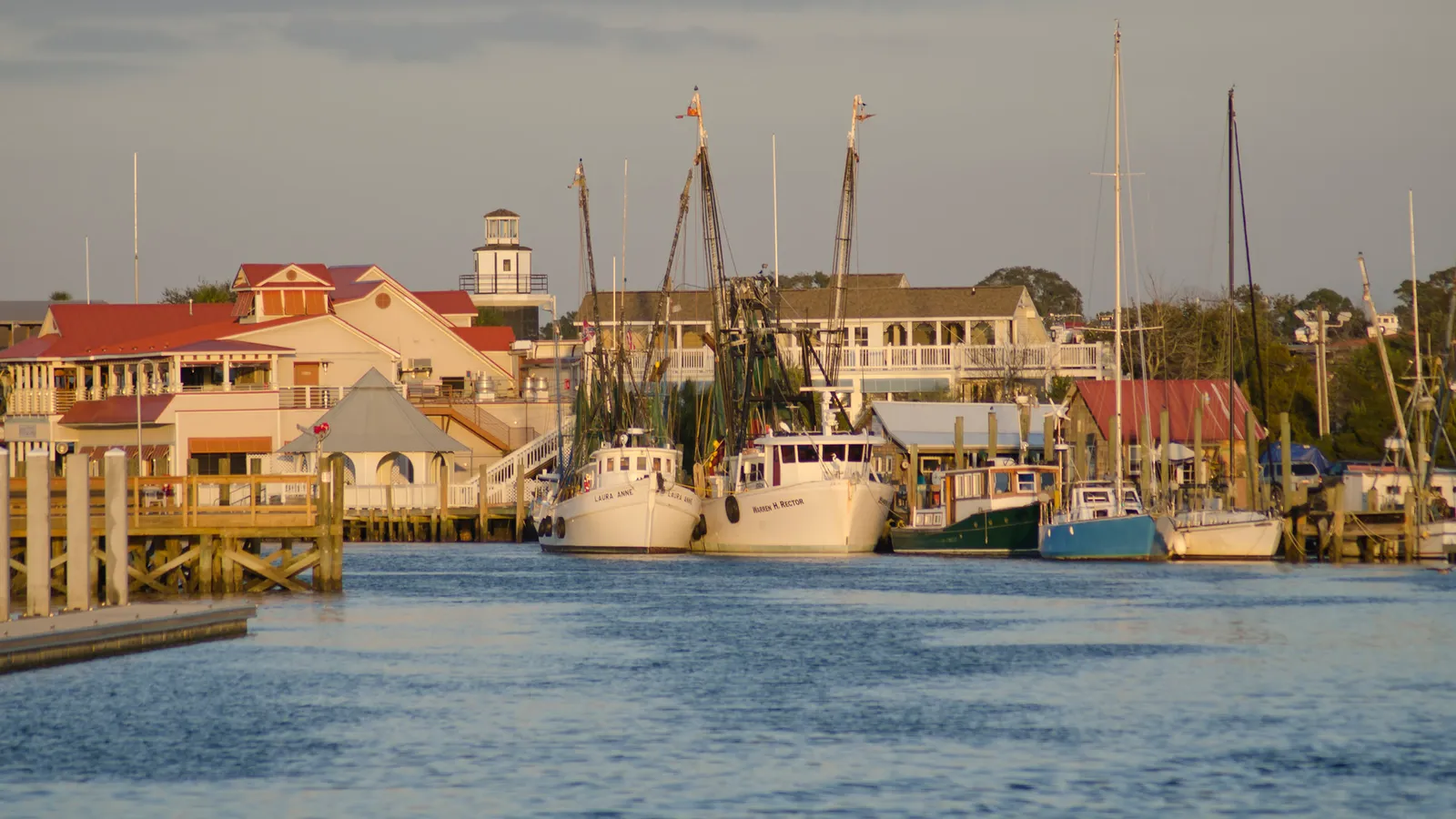
Shem Creek runs from Coleman Boulevard out to Charleston Harbor, lined with shrimp boats, restaurant decks and marsh. It’s the most popular paddle in the Charleston area, partly because it’s so easy to reach and partly because dolphins and pelicans are a regular sight in the creek.
Where to launch: Shem Creek Park, run by the Town of Mount Pleasant off Shrimp Boat Lane, has a 2,200-foot boardwalk and 250 feet of floating dock, with free parking and restrooms. It’s open from 5 a.m. to midnight. Charleston County also runs the Shem Creek Boat Landing, one of the busiest boat ramps in the county, so if you launch there, rig your board away from the ramp and get clear quickly.
What to avoid: This is a working creek. Shrimp boats and motorboats use the main channel, so paddle near the edges and keep an eye behind you. The mouth of the creek opens onto Charleston Harbor, which has big-ship traffic, wind and stronger current. Beginners should stay inside the creek.
Rentals and lessons: Coastal Expeditions (514 Mill Street, Mount Pleasant) has its Shem Creek outpost on a quieter bend of the creek, away from the restaurants. It rents boards daily from 8 a.m. to 5 p.m., takes walk-ups, and has its own dock, parking and restrooms. Nature Adventures (1 Shrimp Boat Lane, Mount Pleasant), right by Shem Creek Park, also rents boards and runs guided tours, daily from 9 a.m. to 5 p.m. with shorter winter hours.
Good to know: Charleston County runs a small life jacket loaner program at the Shem Creek landing, first come, first served.
Folly River (Folly Beach)
Directions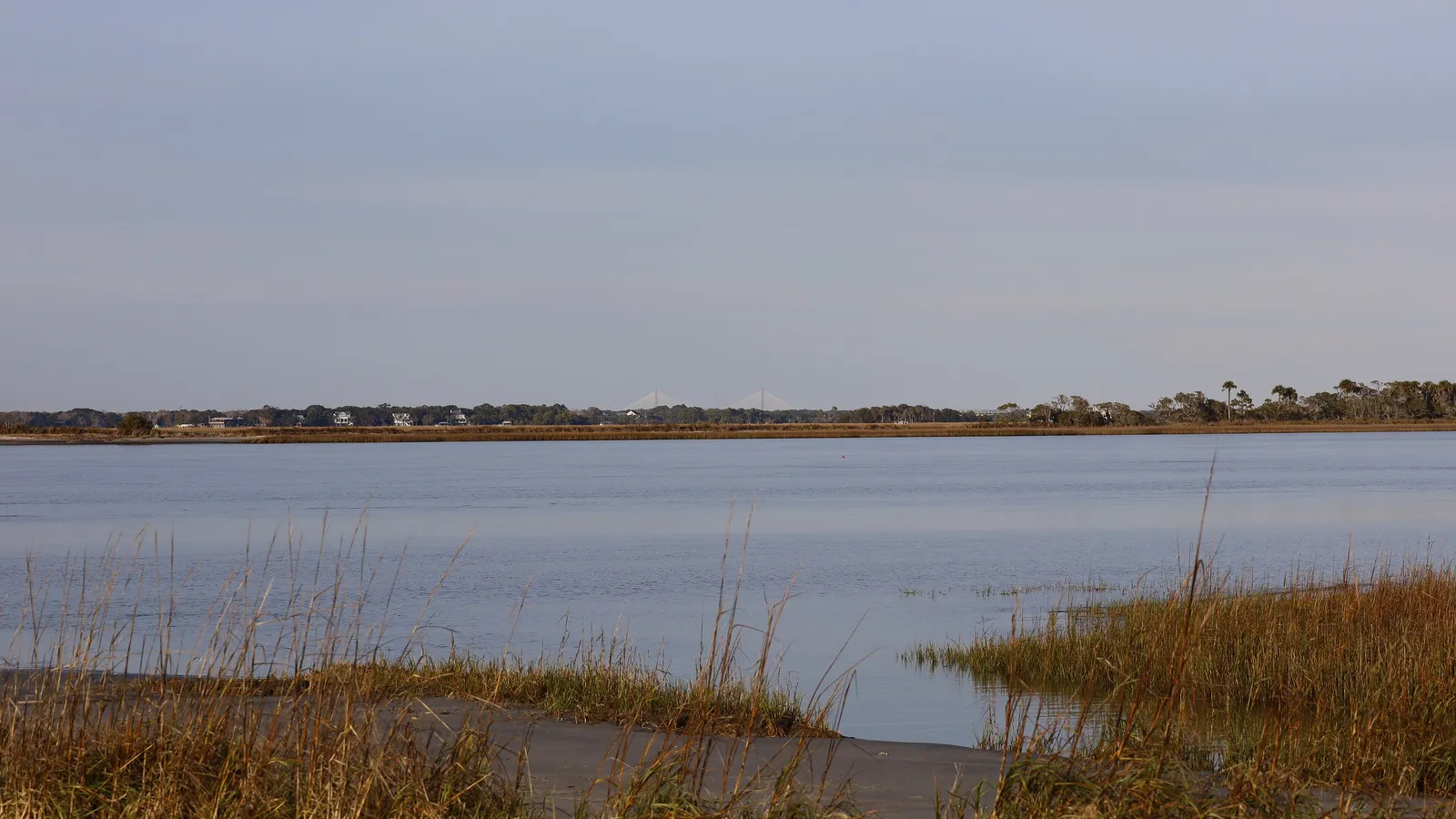
Best for: guided dolphin tours, marsh paddling, lessons. Tidal river.
The Folly River runs behind Folly Beach, between the island and the marsh. You get flat, sheltered water, salt marsh on one side, waterfront houses on the other, and a good chance of seeing dolphins feeding along the banks.
Where to launch: The Folly River Boat Landing is the island’s public landing, at the base of Center Street on Folly Road just before you cross the Folly River bridge. It’s a single-lane concrete ramp with a courtesy dock and paved parking, and it gets busy on summer weekends, so launch early.
Rentals and lessons: Charleston SUP Safaris (83 Center Street, Folly Beach) has been running paddle tours on the Folly River since 2011. It offers board and kayak rentals, eco-tours, flatwater and SUP surf lessons, and SUP yoga, and it’s open daily from 9 a.m. to 5 p.m.
Good to know: The river changes a lot with the tide. Plan to paddle against the current on the way out and ride it home, and check a tide chart before you go. Our guide to the best tide for paddle boarding explains how.
Kiawah River (Johns Island)
Directions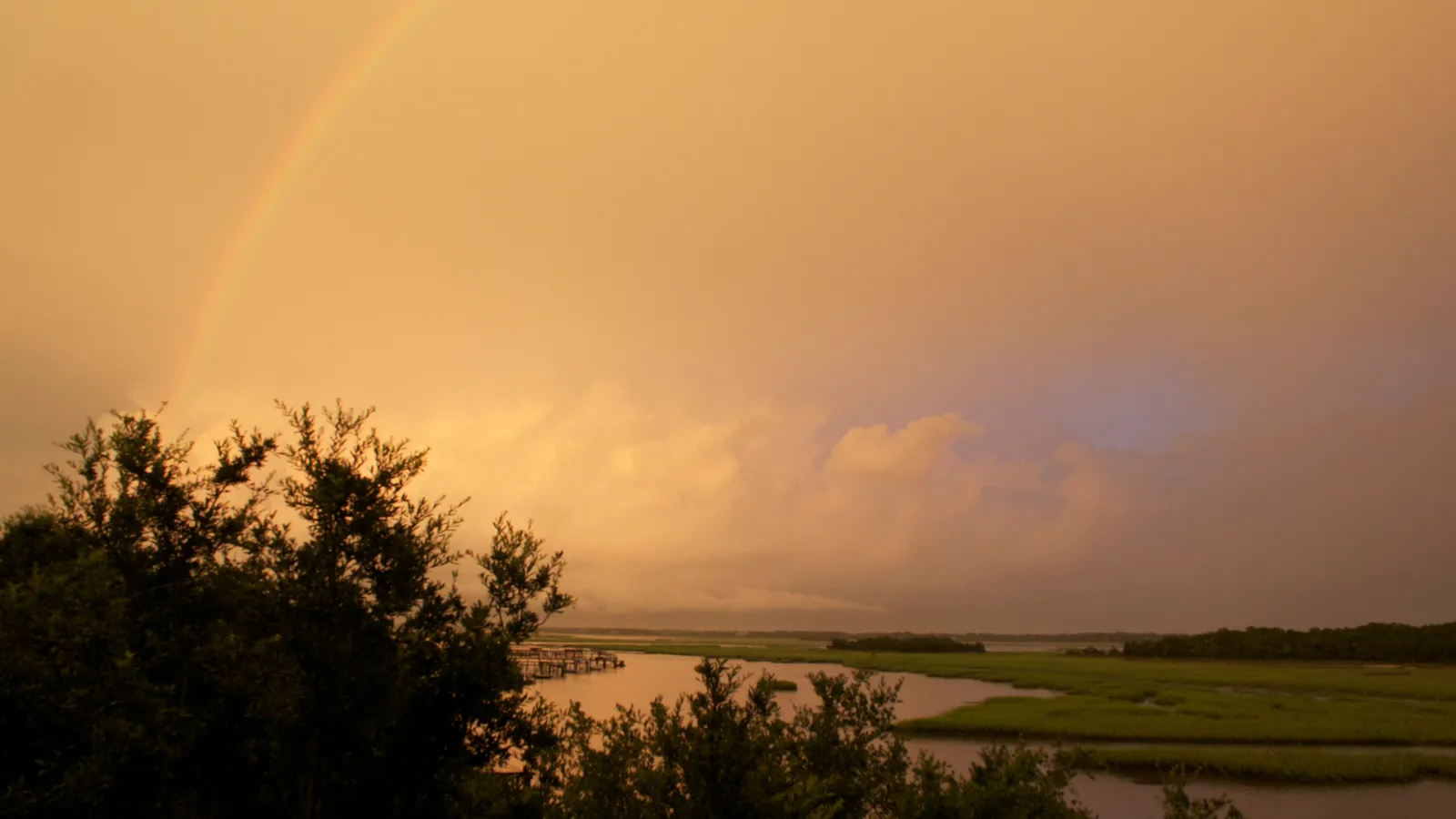
Best for: a quieter, wilder marsh paddle; wildlife. Tidal river and creeks.
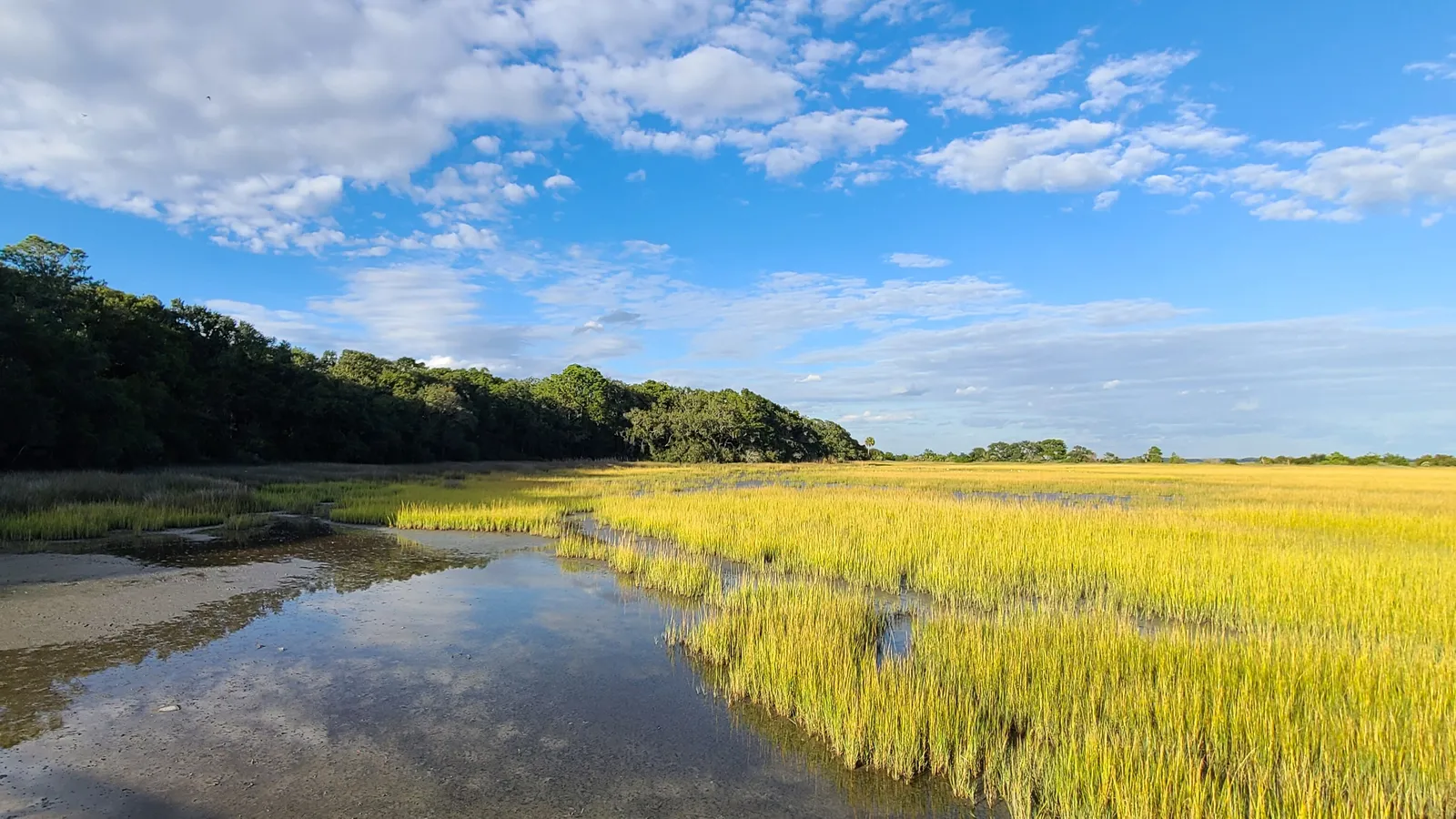
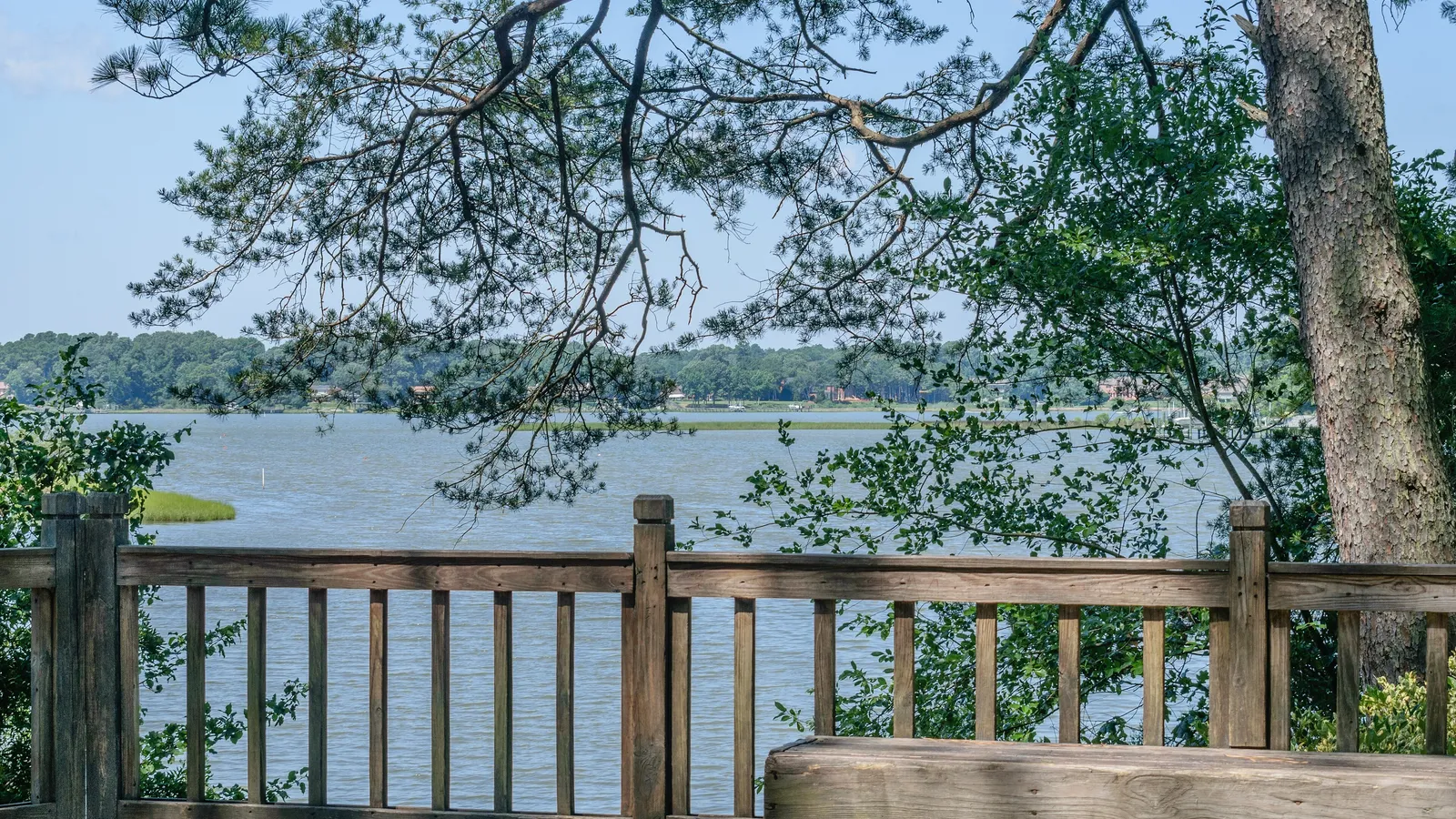
The Kiawah River winds through marsh between Johns Island and Kiawah Island, southwest of the city. It feels far more remote than Shem Creek, with fewer boats and more birds. Coastal Expeditions describes bird rookeries, hidden beaches and strand-feeding dolphins, where dolphins herd fish onto the mud banks at low tide.
Where to launch: The easiest way in is through the Coastal Expeditions Kiawah River outpost, which has its own launch.
Rentals and lessons: Coastal Expeditions (3050 Southerly Way, Johns Island) rents boards daily, takes walk-ups and runs guided tours. The outpost has parking, restrooms, a changing area and a shop. Book online or by phone or text on 843-884-7684.
Good to know: Alligators live in the area, mostly in the fresher ponds and creeks. Read is paddle boarding safe with alligators? before you go. Give strand-feeding dolphins plenty of room and never paddle onto a bank where they’re feeding.
Ashley River (Northbridge Park)
Directions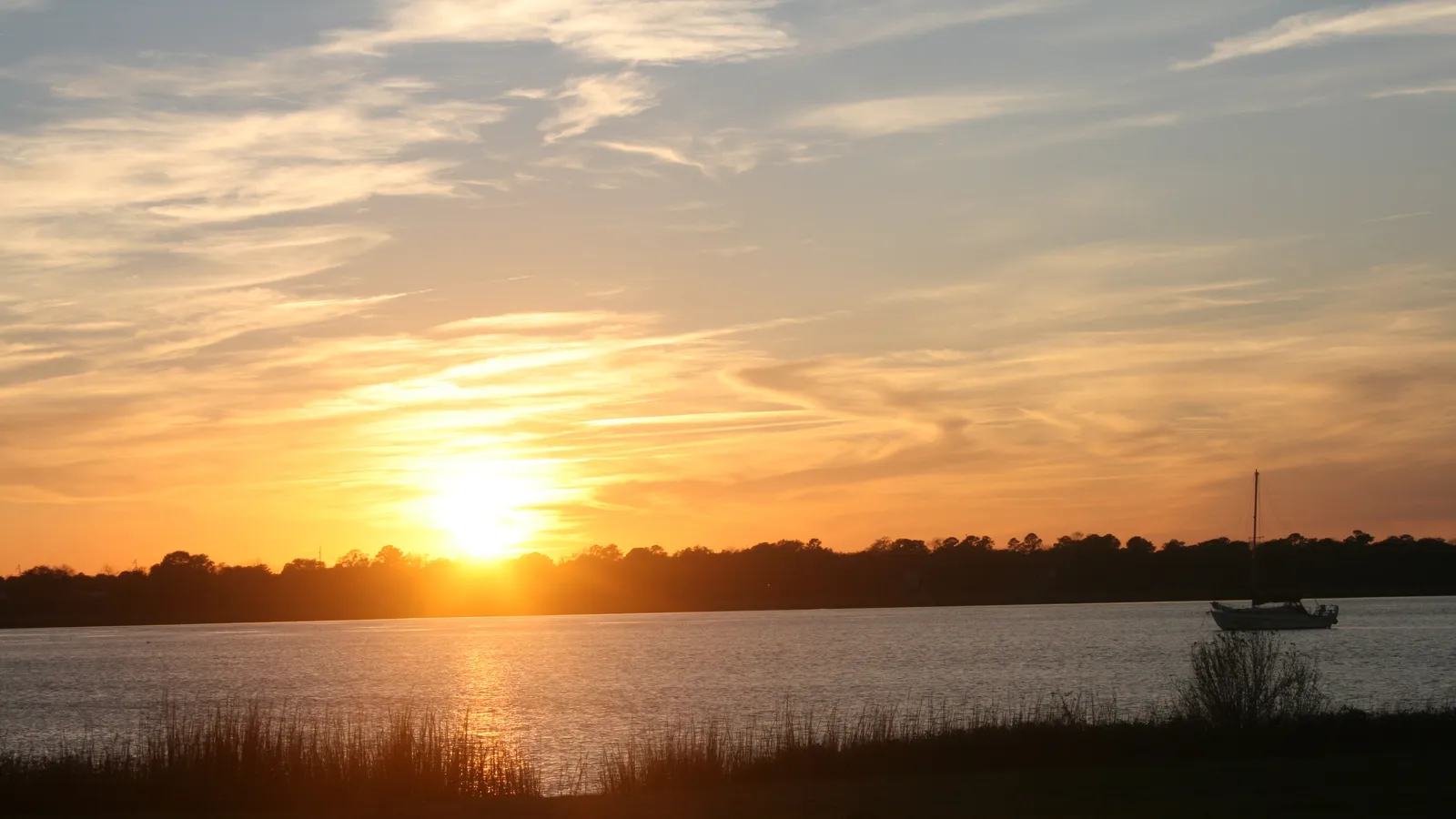
Best for: a quick paddle near downtown and West Ashley. Tidal river.
The Ashley River runs down the west side of the Charleston peninsula into the harbor. It’s wide and open, so it’s a better choice on calm mornings than on windy afternoons.
Where to launch: Northbridge Park, a City of Charleston park where Sam Rittenberg Boulevard crosses the Ashley River, opened in 2014 with a pier and dock, a canoe and kayak launch and 16 parking spaces. Brittlebank Park, off Lockwood Boulevard on the peninsula, has a fishing pier with a boat dock and is open from 9 a.m. to sunset.
What to avoid: Lower down, the river passes marinas and runs into Charleston Harbor, where wind, boat wakes and current all build. Stay near the shore and turn back before the harbor unless you’re experienced.
Good to know: With the river this wide, an outgoing tide plus a south wind can make the paddle back much harder than the paddle out. Paddle against the current first.
When to go
You can paddle Charleston year-round, but the water swings a lot between seasons. NOAA’s averages for the Charleston harbor entrance put the water at about 53°F in January, 68°F in April, 85°F in July and August, and 74°F in October.
- Spring (April–May): water warms into the high 60s and 70s, the marsh greens up, and the crowds are smaller than summer.
- Summer (June–August): warm water, but hot, humid days and afternoon thunderstorms. Paddle early and get off the water when you hear thunder.
- Fall (September–November): water is still warm into October, and the light and quieter creeks make it a great season. Hurricane season runs into November, so watch the forecast.
- Winter: quiet and beautiful, but the water is cold enough to need proper protection if you fall in. Our wetsuit check uses water and air temperature to tell you what to wear.
- Tide first, then wind: Charleston’s tidal creeks can run fast, especially in narrow channels and around bridges. Time your paddle around slack water when you can.
Planning a longer route? Our Trip time calculator estimates how long a paddle will take at your pace.
Rules and safety in Charleston
South Carolina’s Department of Natural Resources (SCDNR) treats paddle boards like other paddle craft on public waterways:
- Life jacket: carry a US Coast Guard–approved wearable life jacket for each person. Anyone under 12 must wear one on any vessel under 16 feet long. See our pick of the best PFDs for SUP.
- Sound device: carry a whistle or horn.
- After dark: have a flashlight or lantern ready between sunset and sunrise.
- Surf zone exception: SCDNR exempts paddle boards used in traditional surfing, swimming and bathing areas from these requirements. Everywhere else in Charleston’s rivers and creeks, they apply.
A few local rules and habits on top of that:
- Wear a leash. In tidal current, a board that gets away from you can be gone in seconds.
- Stay out of the main channels in Shem Creek, the Folly River and Charleston Harbor, and let boats pass.
- Give dolphins space. NOAA asks paddlers to stay at least 50 yards away from dolphins, and feeding wild dolphins is illegal.
- Watch for oyster beds at low tide. The shells cut feet and fins, so wear water shoes when you step off.
- Check the landing’s status. Charleston County Parks posts boat landing closures online and recommends paddlers use its smaller landings (Pierpont on Church Creek in West Ashley, Gadsonville in Mount Pleasant, Penny Creek and Willtown Bluff) rather than its busiest ramps. The county also warns of steep drop-offs at some landings at low tide.
FAQ
Where can beginners paddle board in Charleston?
Shem Creek is the easiest place to start. Rent from an outfitter like Coastal Expeditions or Nature Adventures, stay inside the creek and paddle near the edges, away from the boat channel. The Folly River is a good second choice, ideally on a guided tour the first time.
Will I see dolphins paddle boarding in Charleston?
Often, yes. Dolphins feed in Shem Creek, the Folly River and the Kiawah River. Enjoy them from at least 50 yards and let them come and go on their own.
Do I need a permit to paddle board in Charleston?
No. You don’t need a permit to paddle Charleston’s public rivers and creeks. You do need to follow South Carolina’s life jacket, whistle and light rules.
Can I paddle board in Charleston Harbor?
Experienced paddlers do, but it’s not a beginner spot. The harbor has container ships, ferries, wind and strong tidal current. If you want harbor views, paddle to the mouth of Shem Creek on a calm morning and turn back there.
Is there anywhere similar nearby?
Heading south down the coast? See our guide to where to paddle board in the Florida Keys. Not sure which board suits tidal creeks? Try the Board Fitter.