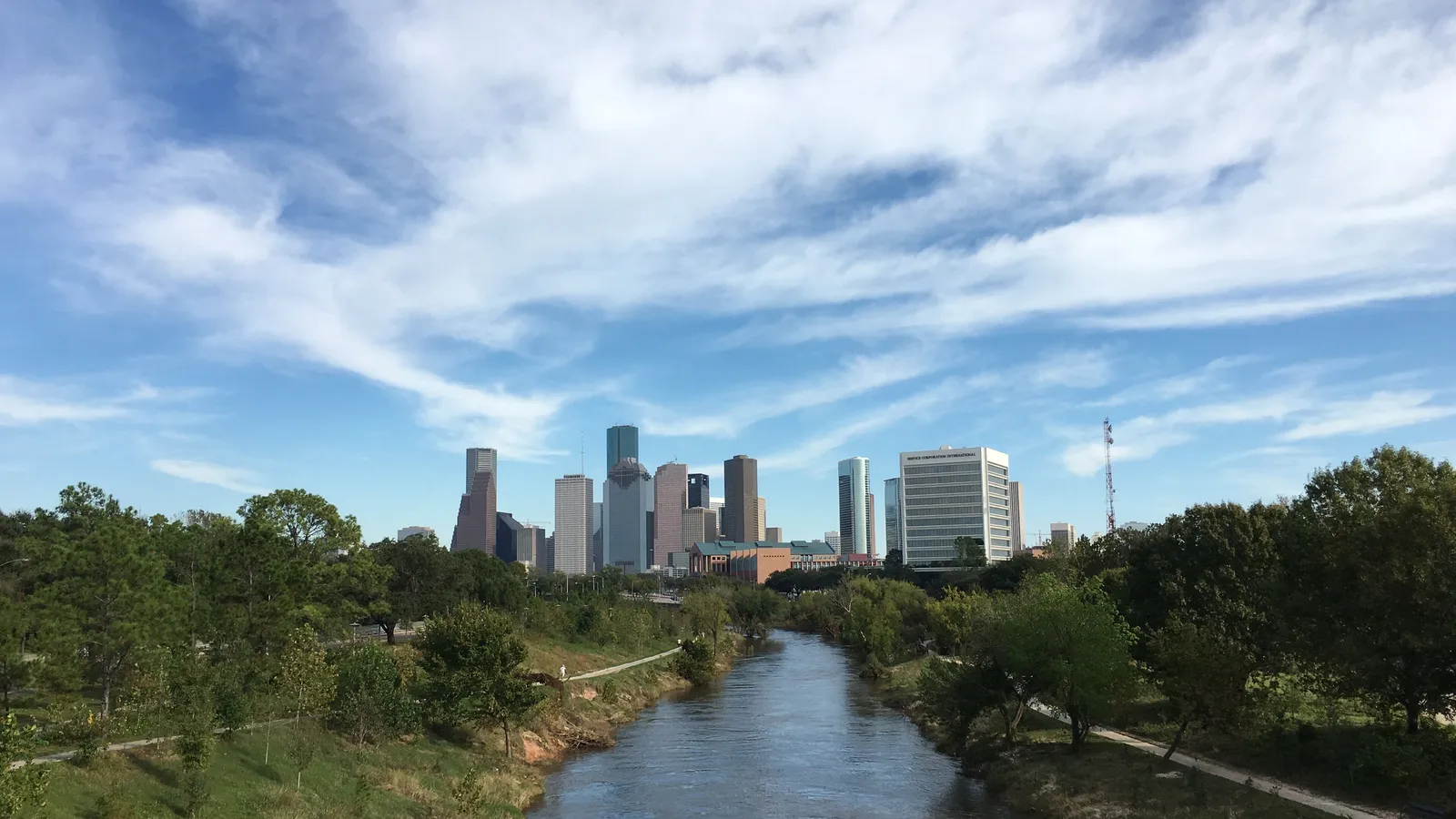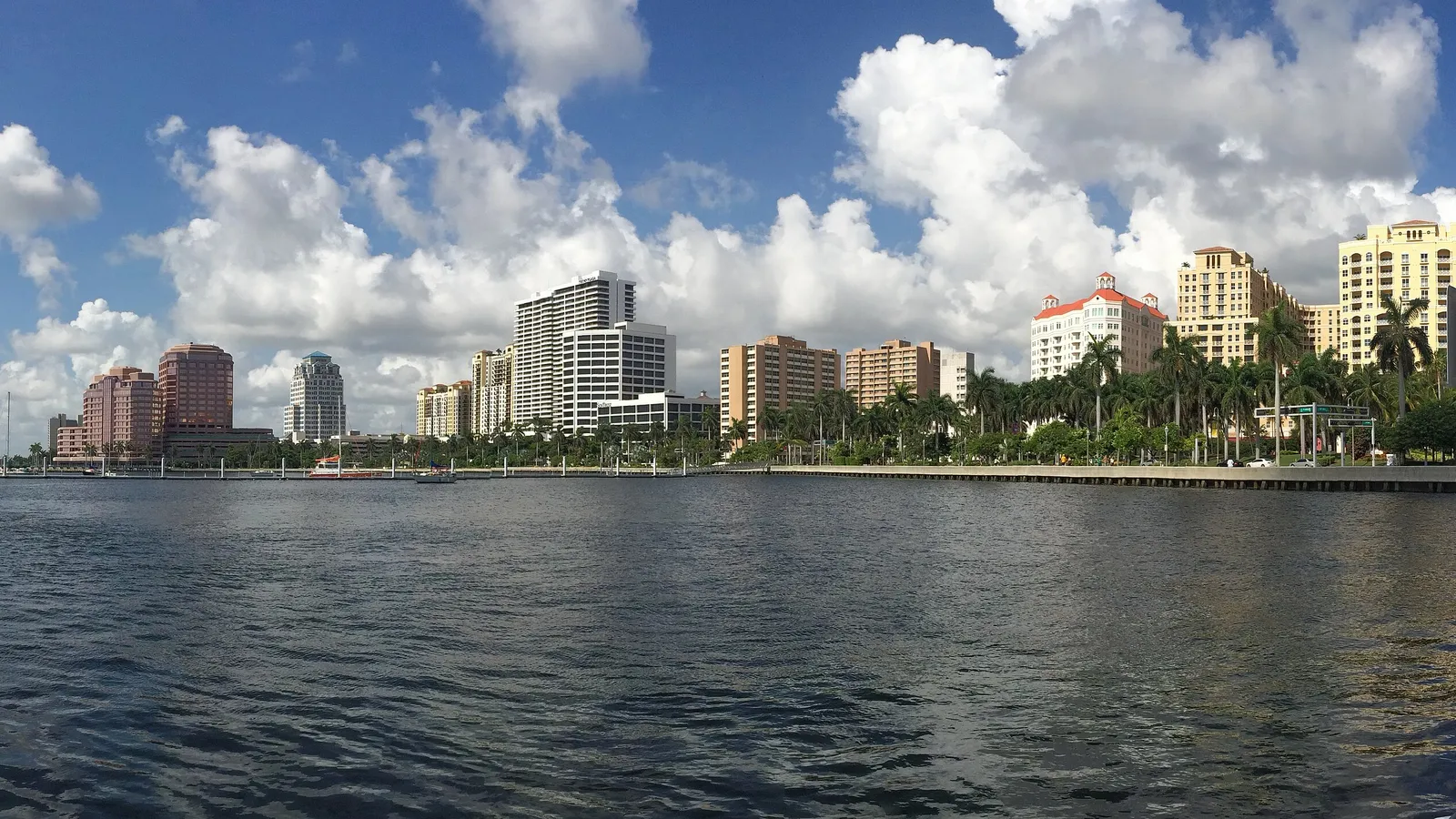



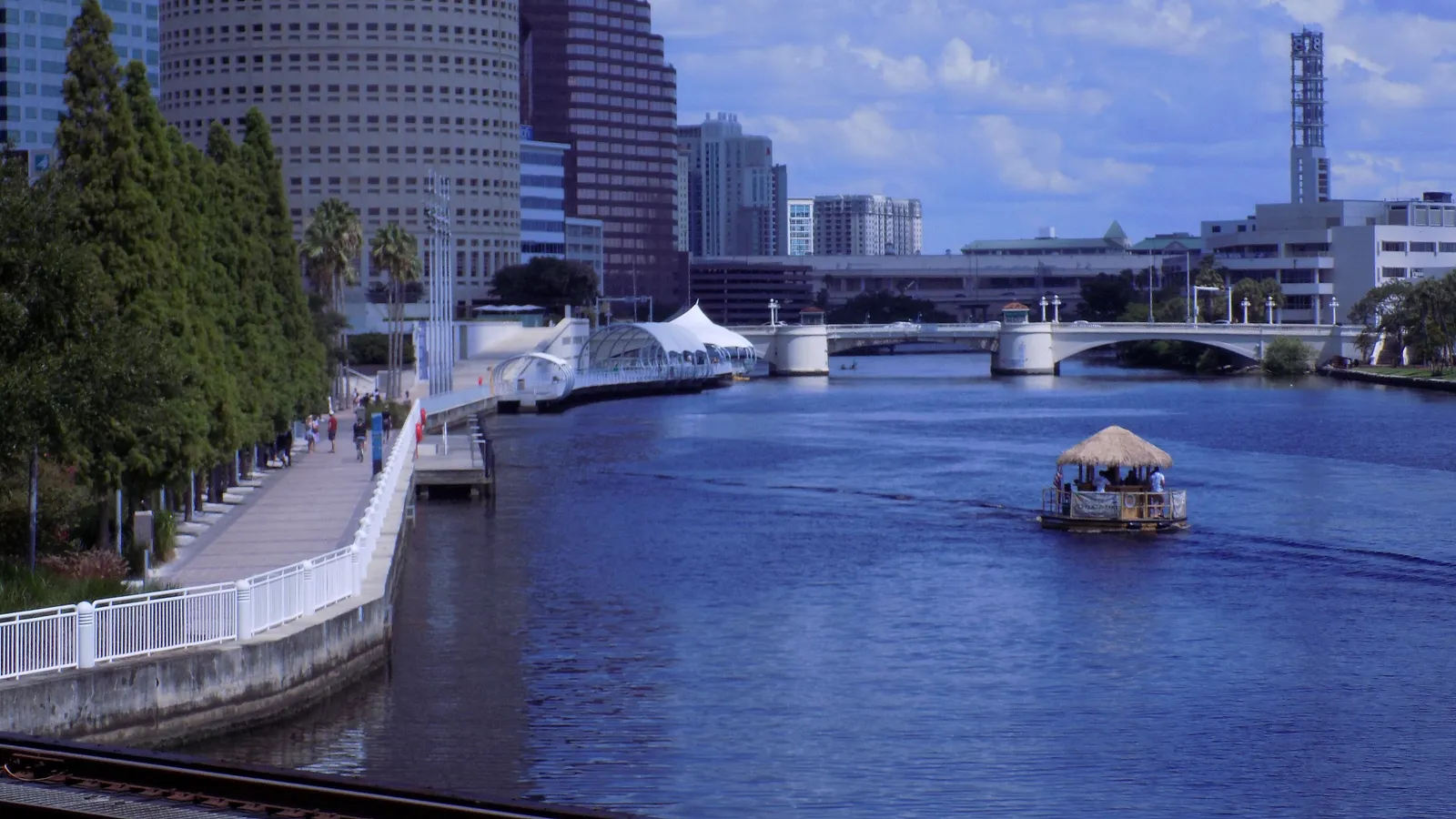
The Hillsborough River through downtown Tampa is the easiest place to paddle board in the city: you can rent a board right on the Riverwalk and paddle past the skyline, the University of Tampa and the drawbridges. For wildlife, head to the mangrove creeks of Upper Tampa Bay Conservation Park or across the bay to Weedon Island Preserve, where dolphins, manatees and roseate spoonbills are part of the scenery.
Tampa works for paddling because it’s surrounded by sheltered water. Tampa Bay’s upper arms are shallow and fringed with mangroves, and the Hillsborough River runs from cypress swamp northeast of the city to the downtown waterfront. The water is warm for most of the year. What you need to plan around is wind on the open bay, afternoon thunderstorms in summer and, on the river, alligators.
Quick answer
- First time on a board: the Hillsborough River downtown, renting from the Riverwalk.
- Mangroves and wildlife: Upper Tampa Bay Conservation Park, or Weedon Island Preserve’s paddling trail at mid to high tide.
- Old Florida river scenery: the upper Hillsborough River, from John B. Sargeant Conservation Park or Hillsborough River State Park.
- South of the city: E.G. Simmons Conservation Park in Ruskin, with mangrove waterways and a beach.
- Where not to go first: the open middle of Tampa Bay, which is wide, shallow and quick to chop up in wind.
The best places to paddle board in Tampa
Hillsborough River and the Riverwalk (downtown)
Directions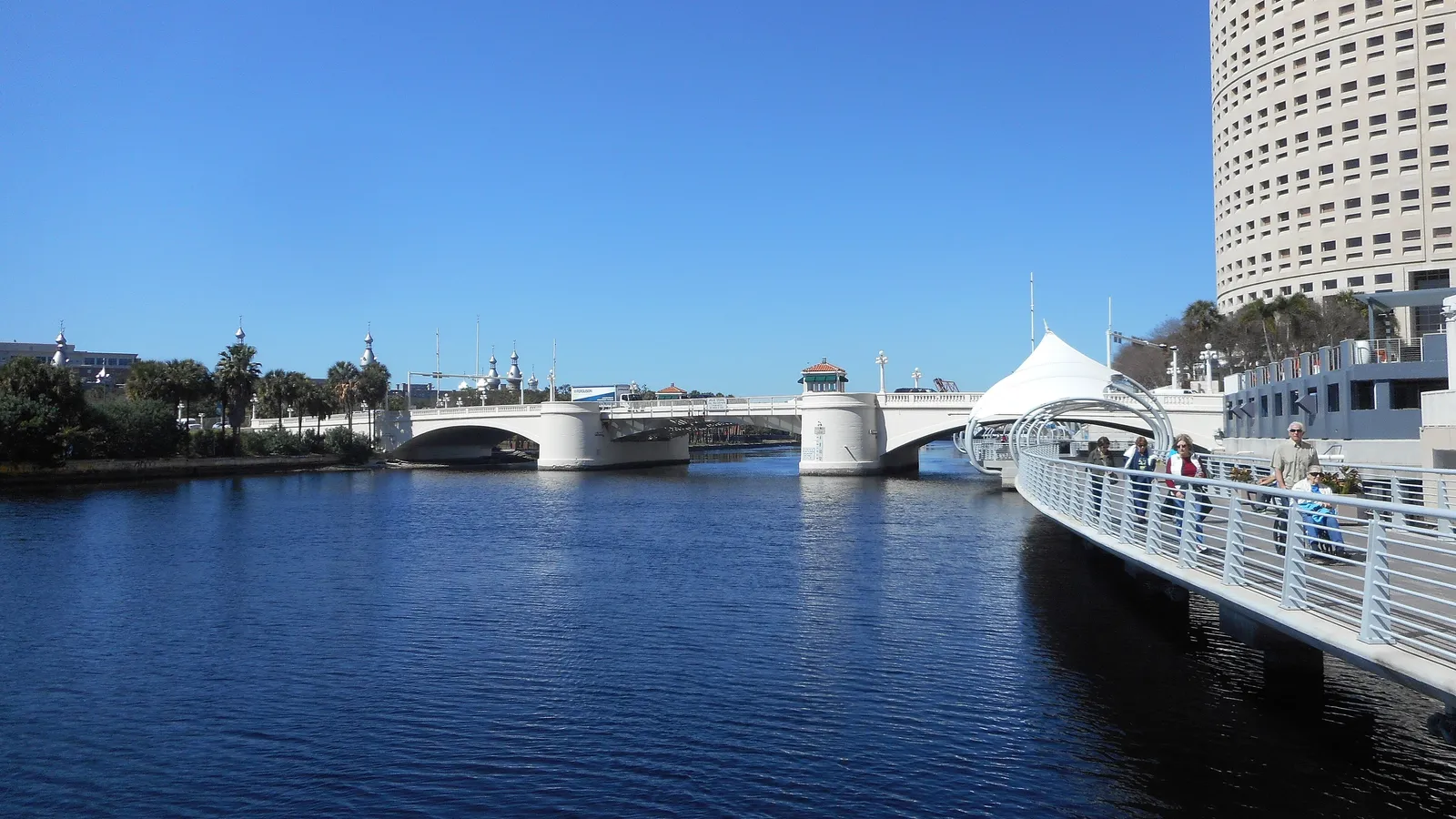
Best for: beginners, visitors, skyline views. Flat water, but boat traffic.
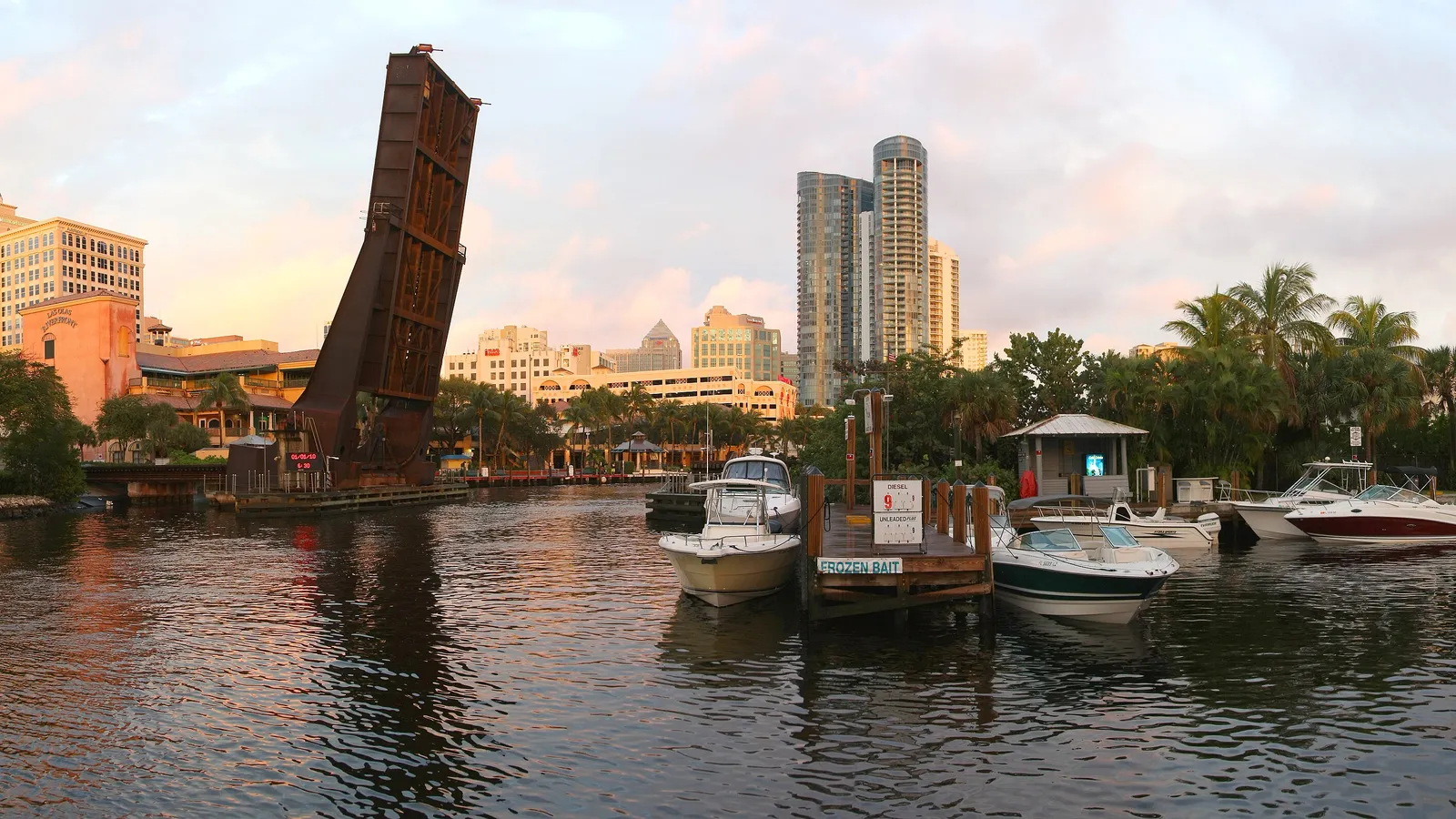
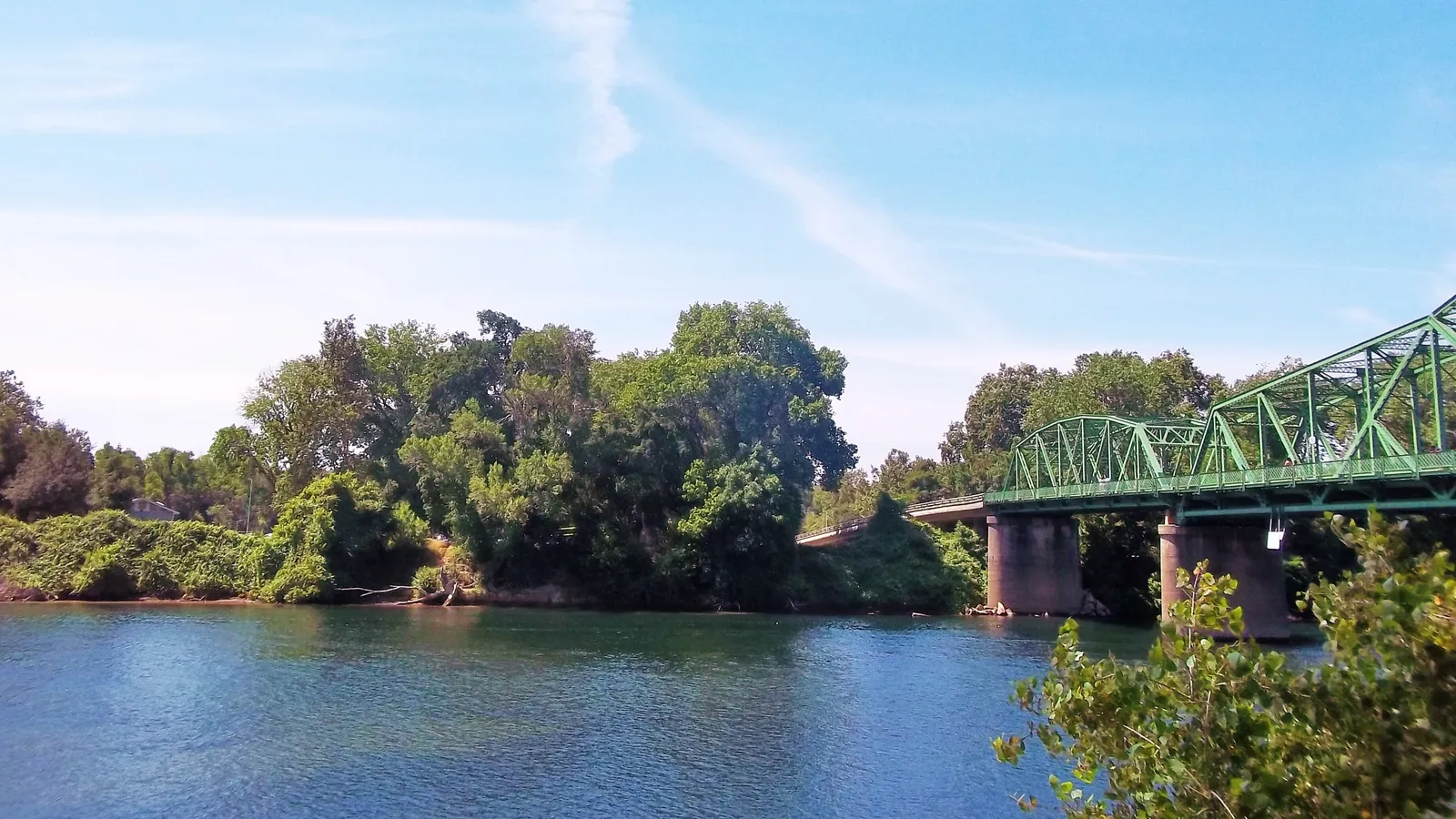
The Tampa Riverwalk follows the Hillsborough River through downtown, and the river itself is a calm, sheltered paddle with the skyline on one side and the University of Tampa on the other. Paddle upstream under the drawbridges, or toward the mouth of the river where it meets Hillsborough Bay.
Rentals and lessons: Tampa Riverwalk Rentals launches stand-up paddle boards, kayaks and Mega SUPs straight from the Tampa Marriott Water Street (505 Water St). Board rentals run 1 to 4 hours, start at about $30 at the time of writing, and are for ages 13 and up; it also offers one-hour beginner SUP lessons.
What to watch for: This is a working river. Tour boats and private boats both use it, and their wakes bounce off the seawalls. Stay to the side, cross the channel quickly and at a right angle, and keep clear of the drawbridges when they’re opening. Near the river mouth and in the bay, the wind and boat traffic both pick up.
Upper Tampa Bay Conservation Park
DirectionsBest for: wildlife, quiet mangrove paddling. Flat, tidal water.
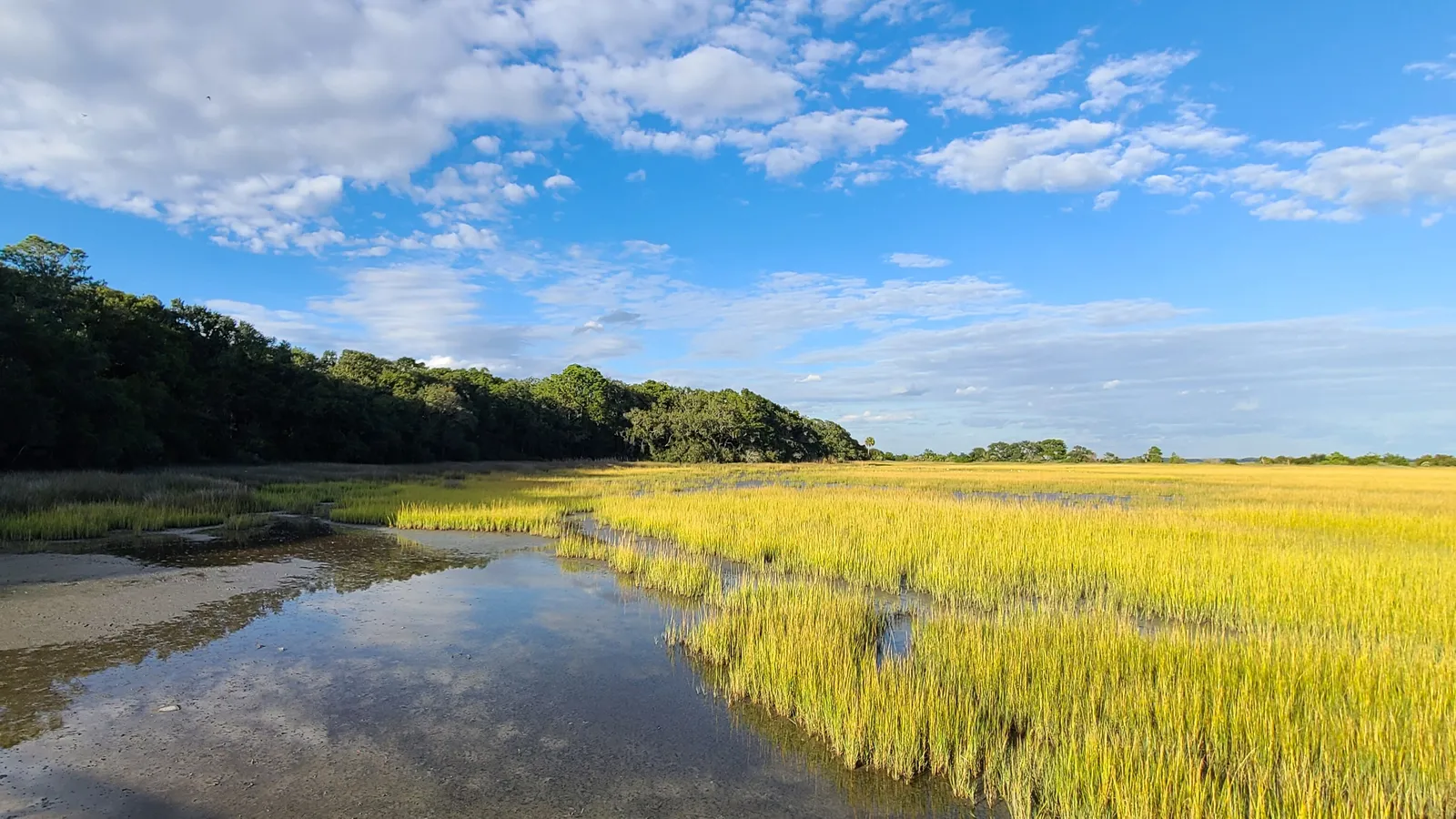
This 596-acre Hillsborough County park, on a peninsula at 8001 Double Branch Road in northwest Tampa, protects mangrove forest, salt marsh and coastal hammock. The county lists bottlenose dolphins, manatees, roseate spoonbills, ospreys and otters among the wildlife you can see from the water.
Where to launch: The park has a canoe and kayak launch with access to Double Branch Creek and the upper bay. Entry is $2 per vehicle (up to eight people) at the time of writing, and the park is open 8 a.m. to 6 p.m.
Rentals: The park rents canoes and kayaks at its entry station ($25 for up to four hours at the time of writing). There are no board rentals here, so bring your own paddle board.
Good to know: The creeks and flats are shallow, so check the tide. At low water you may be walking your board across mud. County canoe and kayak rentals can be suspended when small craft advisories are issued, which is a good sign that the bay is too rough for a board, too.
Weedon Island Preserve (St. Petersburg)
Directions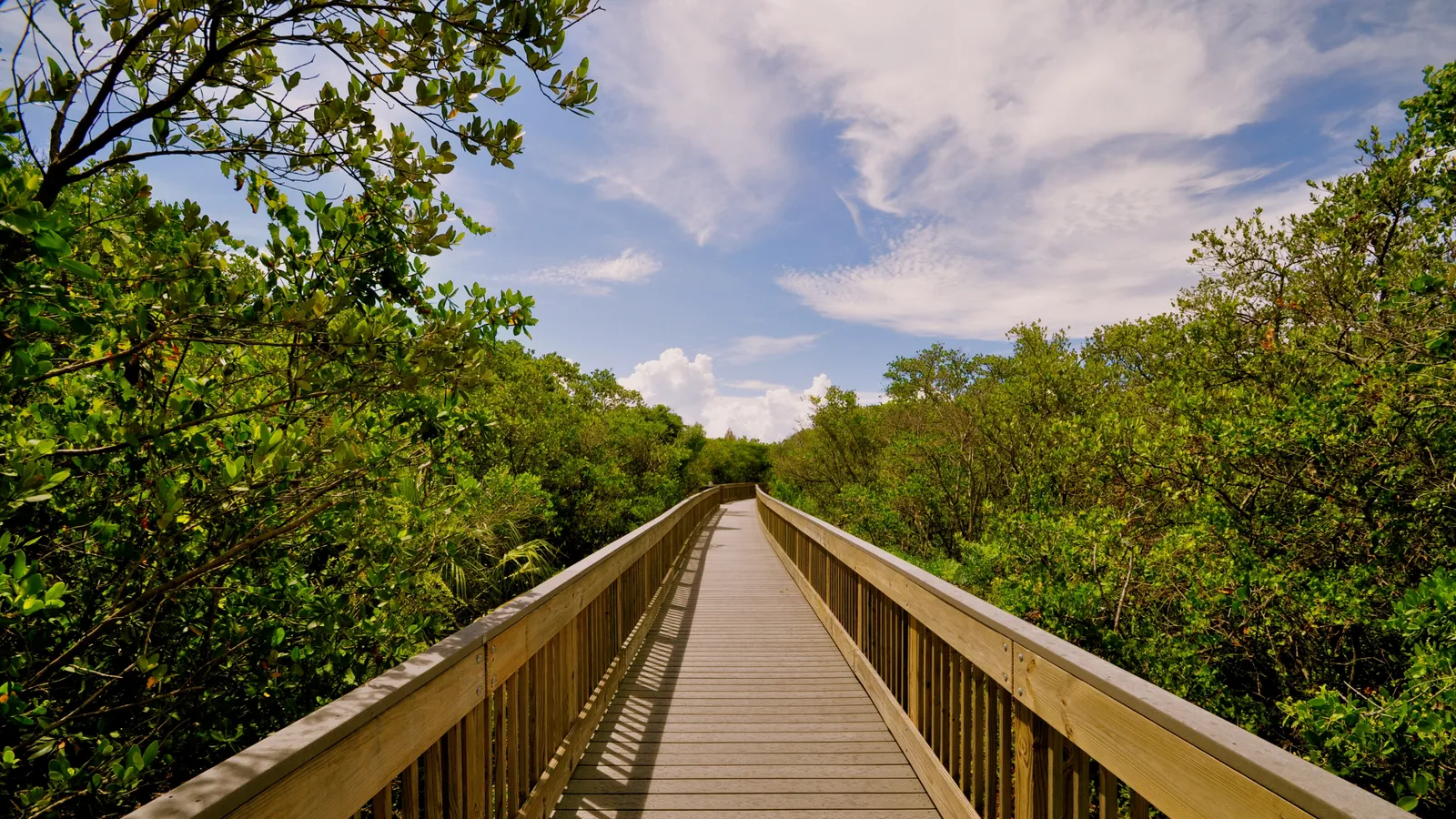
Best for: a marked mangrove trail. Flat, tidal water.
Weedon Island Preserve sits on the St. Petersburg shore of Tampa Bay, across the water from Tampa. Its South Paddling Trail is a 4-mile marked loop through mangroves and seagrass flats, between the preserve’s islands and along the edge of Tampa Bay. Look for wading birds such as reddish egrets, roseate spoonbills and white ibis.
Where to launch: The canoe and kayak launch is next to the fishing pier at the end of Weedon Drive NE, with restrooms and a washing station. The preserve opens around sunrise and closes at sunset.
Good to know: Go at mid to high tide. Pinellas County says much of the trail is hard to get through at low tide. Dogs and other pets aren’t allowed on the paddling trails, and neither are alcohol or glass. All plants and animals in the preserve are protected. Bring water, sun protection and insect repellent, and tell someone which trail you’re on.
Upper Hillsborough River (Sargeant Park and Hillsborough River State Park)
Directions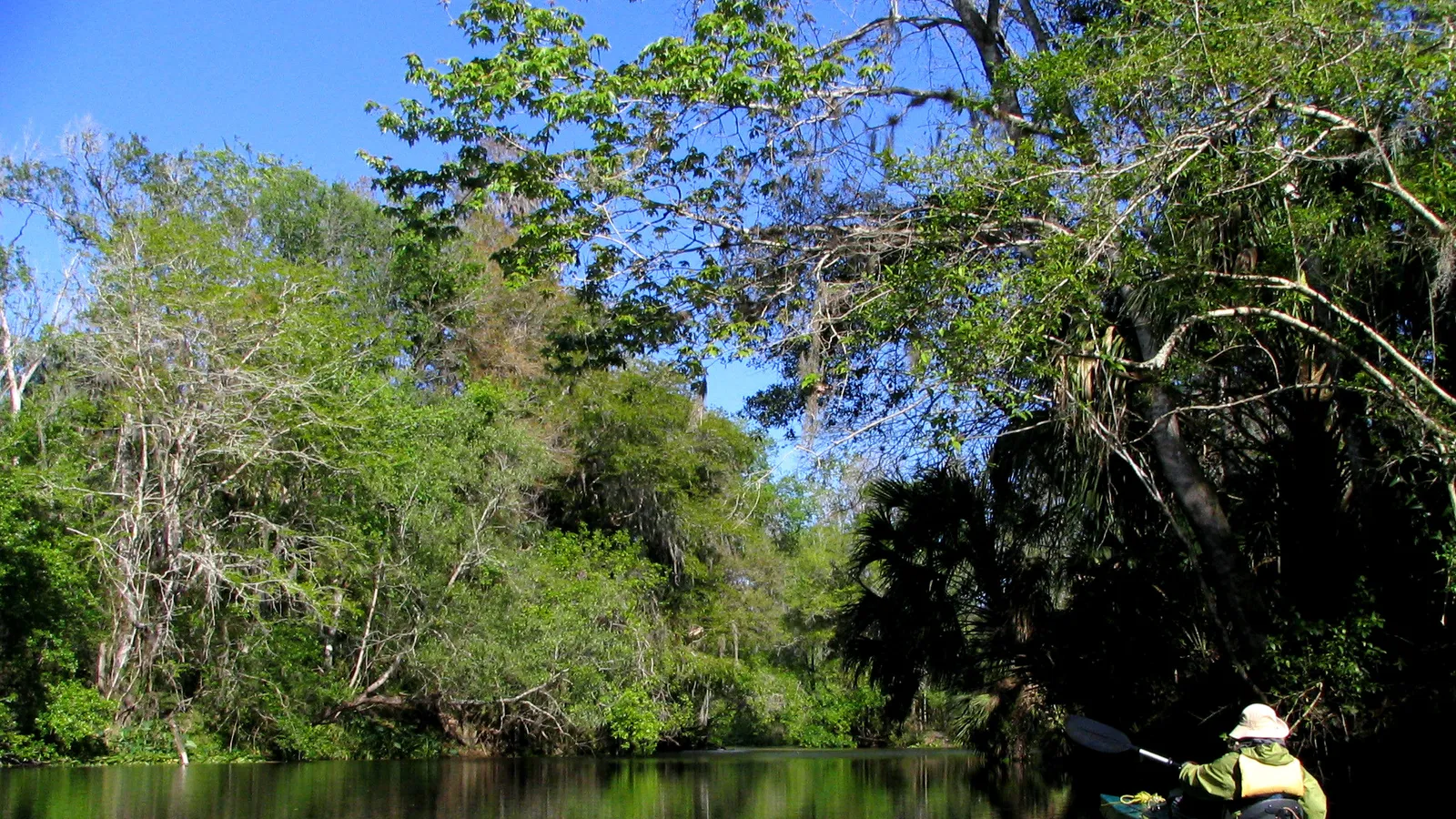
Best for: experienced flat-water paddlers who want wild Florida. Slow river current.
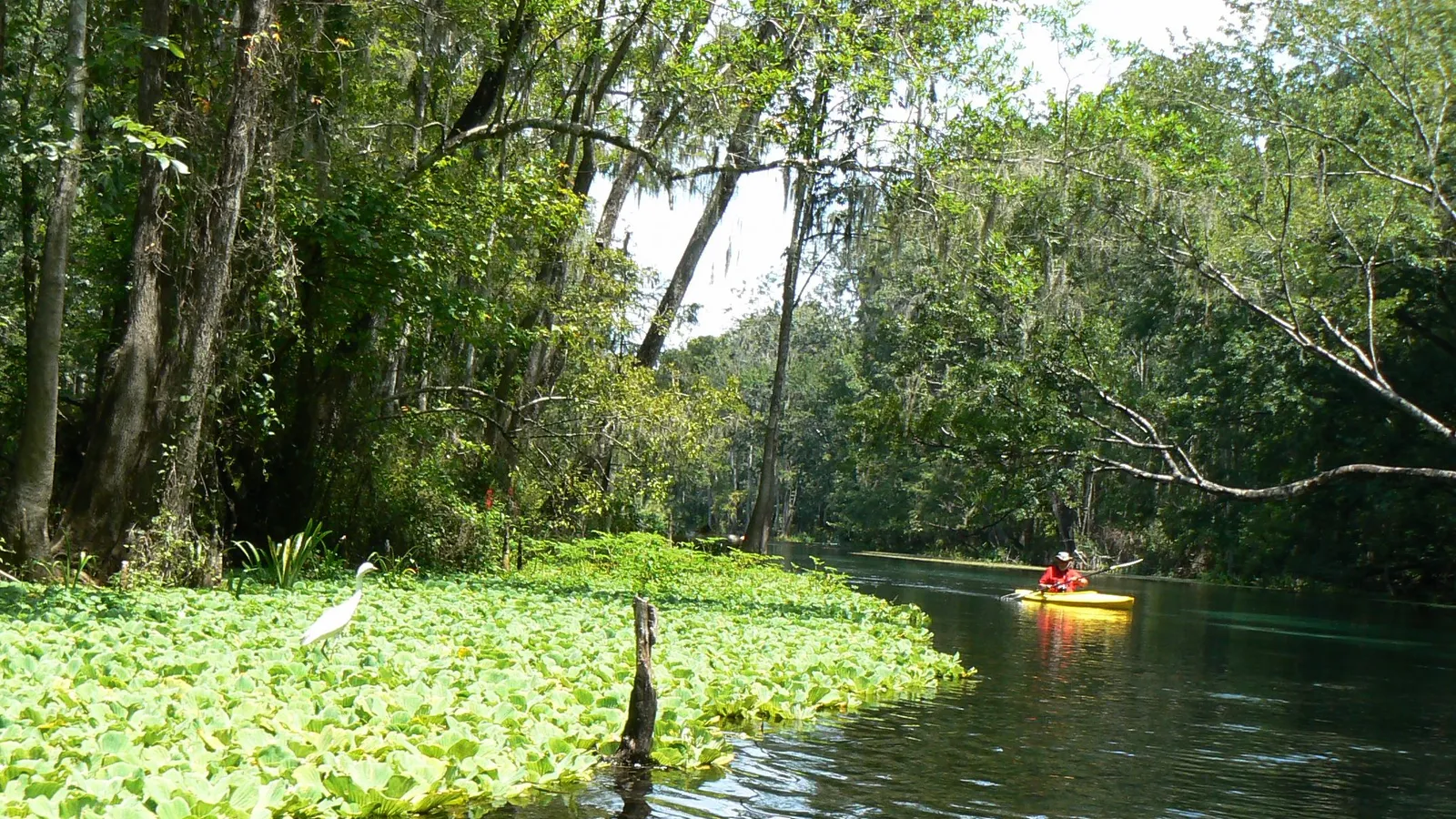
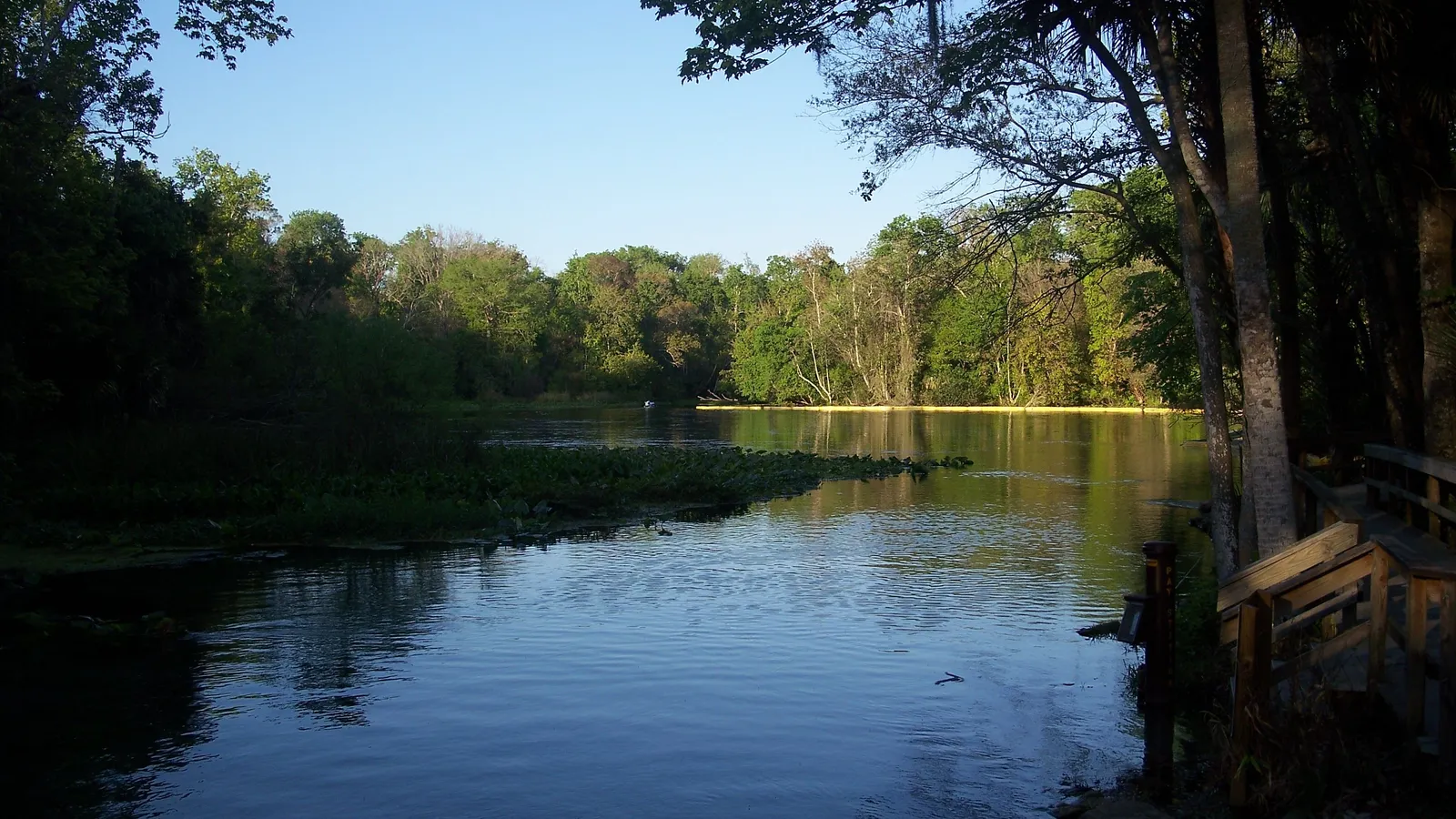
Northeast of the city, the Hillsborough River winds through hardwood swamp, under live oaks and cypress, past wading birds and alligators. Hillsborough County calls the stretch below John B. Sargeant Conservation Park the Hillsborough River State Canoe Trail; upstream of the park, the river spreads out through a broad swamp known as the Seventeen Runs.
Where to launch: John B. Sargeant Conservation Park (12702 US Highway 301 N, Thonotosassa) has a small boat ramp and charges $2 per vehicle. Further upstream, Hillsborough River State Park (15402 US 301 N) has its own launch and a short stretch of rocky rapids, which are rare in Florida. Fallen trees can block parts of the river, especially after storms, so be ready to step off and portage.
Good to know: Alligators live all along this river. Keep your distance, don’t paddle up to one on the bank, and never feed them; read our guide on whether paddle boarding is safe with alligators first. This isn’t a river to swim in. A wider, more stable board helps if you have to stop suddenly or kneel under branches.
E.G. Simmons Conservation Park (Ruskin)
DirectionsBest for: a day out south of the city. Flat, tidal water.
E.G. Simmons is a 258-acre county park on Tampa Bay about 18 miles south of Tampa and 3 miles north of Ruskin, built among mangroves and waterways. There’s also a 200-acre mangrove bird sanctuary, a 700-foot beach on the bay and a campground.
Where to launch: The park has a boat ramp and kayak rentals at the entry station, and the county publishes a paddling trail map. Entry is $2 per vehicle, with a $5 boat launch fee at the time of writing. The park opens at 8 a.m. and closes at 7 p.m. in spring and summer, 6 p.m. in fall and winter.
Good to know: Stay inside the sheltered waterways rather than heading out onto the open bay, especially on windy afternoons.
When to go
You can paddle Tampa year-round. NOAA’s water temperature guide puts Old Port Tampa at about 66°F in January and 68°F in February, rising to about 88–89°F in July and August.
- Fall to spring (October–May): the best season for most paddlers, with cooler air, less rain and more comfortable water. Winter cold fronts bring a few days of strong north wind; skip the bay on those.
- Summer (June–September): hot and humid, with thunderstorms building most afternoons. Paddle early and get off the water at the first thunder. Hurricane season runs June through November.
- Tide: plan Weedon Island, Upper Tampa Bay and E.G. Simmons around mid to high tide, when the flats and creeks have water.
On winter mornings, our wetsuit check can tell you whether you need more than a rash guard. For the Weedon Island loop or a longer river paddle, our Trip time calculator estimates how long you’ll be out.
Rules and safety in Tampa
In Florida a paddle board counts as a vessel when you’re outside a swimming, surfing or bathing area. According to the Florida Fish and Wildlife Conservation Commission (FWC):
- Life jacket: carry a US Coast Guard–approved wearable life jacket for each person. Children under 6 must wear one while underway. See our pick of the best PFDs for SUP.
- Sound device: carry a whistle or horn.
- After dark or in poor visibility: have a white light, such as a flashlight, ready to show in time to prevent a collision.
Local rules and habits on top of that:
- Give manatees and dolphins space. Don’t chase, touch or feed them.
- Respect preserve rules at Weedon Island: no pets, alcohol or glass, and everything natural stays where it is.
- Stay out of boat channels on the downtown river and the bay, and wear bright colors.
- Watch for alligators on the upper Hillsborough River and in any freshwater.
- Check the weather and tide before every trip. Small craft advisories mean the bay is too rough for a board.
FAQ
Where can beginners paddle board in Tampa?
The Hillsborough River downtown. Rent from Tampa Riverwalk Rentals at the Marriott Water Street, stay near the edge of the river, and paddle upstream first so the trip back is easier.
Can you see manatees and dolphins paddle boarding in Tampa?
Often, yes. Hillsborough County lists both among the wildlife at Upper Tampa Bay Conservation Park. Watch quietly from a distance.
Are there alligators in the Hillsborough River?
Yes, especially on the upper river around Sargeant Park and Hillsborough River State Park. They usually avoid people. Give them plenty of room and don’t swim.
Can I paddle board at Lettuce Lake Park?
Not right now. In August 2026 Hillsborough County closed the Lettuce Lake kayak and canoe launch for reconstruction, including for private boats. Check the county’s park page before you go.
Is there anywhere similar nearby?
Orlando is about 90 minutes east, with spring-fed rivers and lakes; see where to paddle board in Orlando. Choosing a board for bay and river paddling? Try the Board Fitter.