


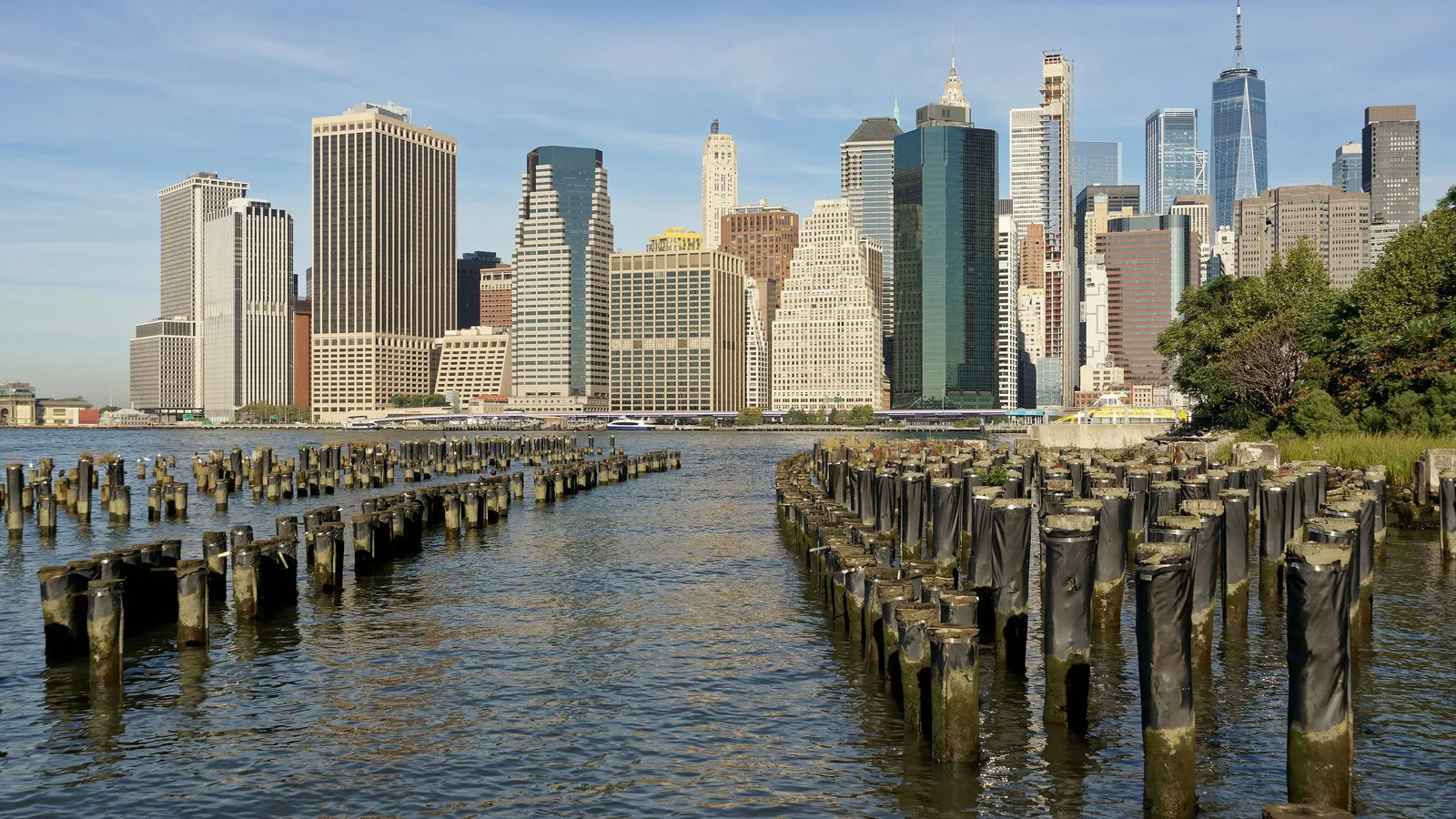
The easiest place to paddle board in New York City is the sheltered cove at Pier 84 in Hudson River Park, where you can rent a board in season and stay out of the river’s current. For skyline views, launch from Pier 4 Beach in Brooklyn Bridge Park; for quieter water and marshes, head to Jamaica Bay or the lagoon at Orchard Beach in the Bronx.
New York is a harbor city, and NYC Parks counts about 160 square miles of rivers, bays, creeks and ocean in its Water Trail. The catch is that this is a working harbor, with ferries, barges, strong tidal currents and cold water for half the year. Pick sheltered spots, read the tides, and you’ll get views no other city can match.
Quick answer
- First time on a board: the Intrepid cove at Pier 84, with a short rental or lesson in season.
- Skyline views: Pier 4 Beach in Brooklyn Bridge Park, for experienced paddlers only.
- Nature and quiet water: Jamaica Bay, launching from Floyd Bennett Field.
- Rockaway: the bay side at Bay Breeze Park, not the ocean beaches.
- The Bronx: Orchard Beach Lagoon in Pelham Bay Park.
The best places to paddle board in New York City
Hudson River Park (Pier 84)
Directions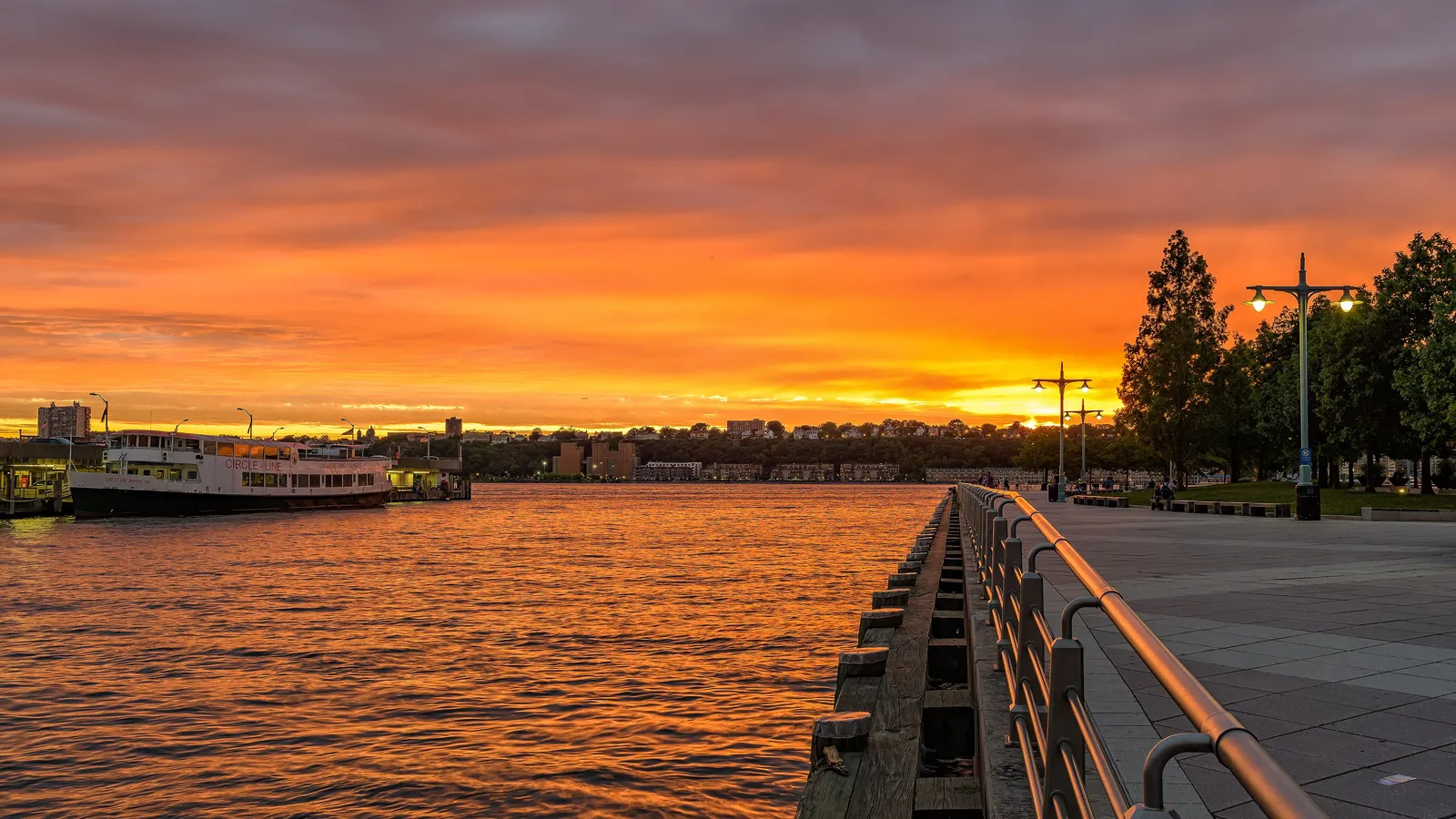
Best for: beginners and visitors. Flat water inside the cove; the open river has strong current.
Pier 84, at West 44th Street, sits next to the Intrepid Museum, and the 4.5-acre cove beside it is sheltered from the main river. It’s the most practical place in Manhattan to try a paddle board without dealing with the Hudson’s current and boat traffic.
Rentals and lessons: Manhattan Kayak Co. runs the Pier 84 Boathouse (555 12th Avenue at West 44th Street). It rents kayaks and paddle boards in the cove and teaches paddleboard lessons, with rentals open to ages 3 and up. The season runs from spring to fall: at the time of writing, its paddleboard rentals and lessons were closed for the winter and due to reopen in May 2027.
Bringing your own board: NYC Parks lists public launches at several Hudson River Park piers, including Pier 26 (at Hubert Street), Pier 40 (at Houston Street), Pier 66 (West 26th Street) and Pier 96 (West 56th Street). There’s no driving or parking on Pier 96, though a quick drop-off is possible from the West Side Highway service road.
Good to know: NYC Parks warns of currents up to 3 knots on the Hudson, which is faster than most people can paddle, plus commuter and commercial traffic. Time trips with the tide so the current helps you home, and stay near the piers rather than heading mid-river.
Brooklyn Bridge Park (Pier 4 Beach)
Directions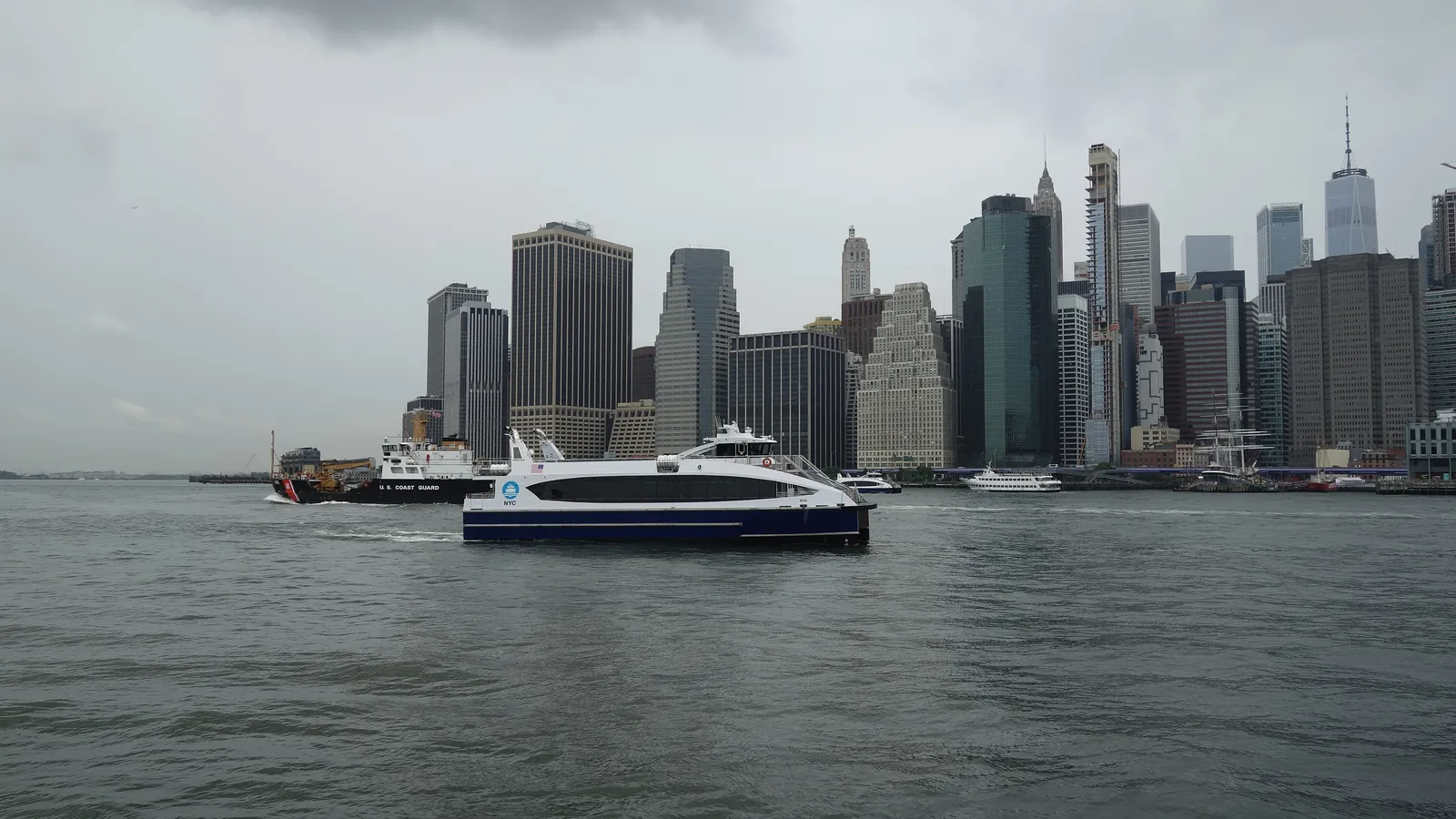
Best for: experienced paddlers who want the classic skyline view. Tidal river with strong current.
This is the postcard paddle: the Manhattan skyline, the Brooklyn Bridge and the Statue of Liberty in the distance. It’s also one of the busiest stretches of water in the city.
Where to launch: Pier 4 Beach is the park’s launch for personal kayaks, canoes and other hand-powered boats, and you need the NYC launch permit (see Rules below). The beach is slippery, steep and rocky, and there’s no swimming. Brooklyn Bridge Park asks you to paddle north past Pier 3 before heading out, to avoid traffic from the marina. Private boats can’t use the floating dock at Pier 2. Parking nearby is very limited; the F train to York Street is the easier option.
Good to know: NYC Parks flags strong currents, wakes on the beach and heavy to moderate ferry and commercial traffic. Pier 1 and Valentino Pier in Red Hook are the emergency landing points. Read how to paddle board in the ocean for handling wakes and chop before you try this one.
Jamaica Bay from Floyd Bennett Field
Directions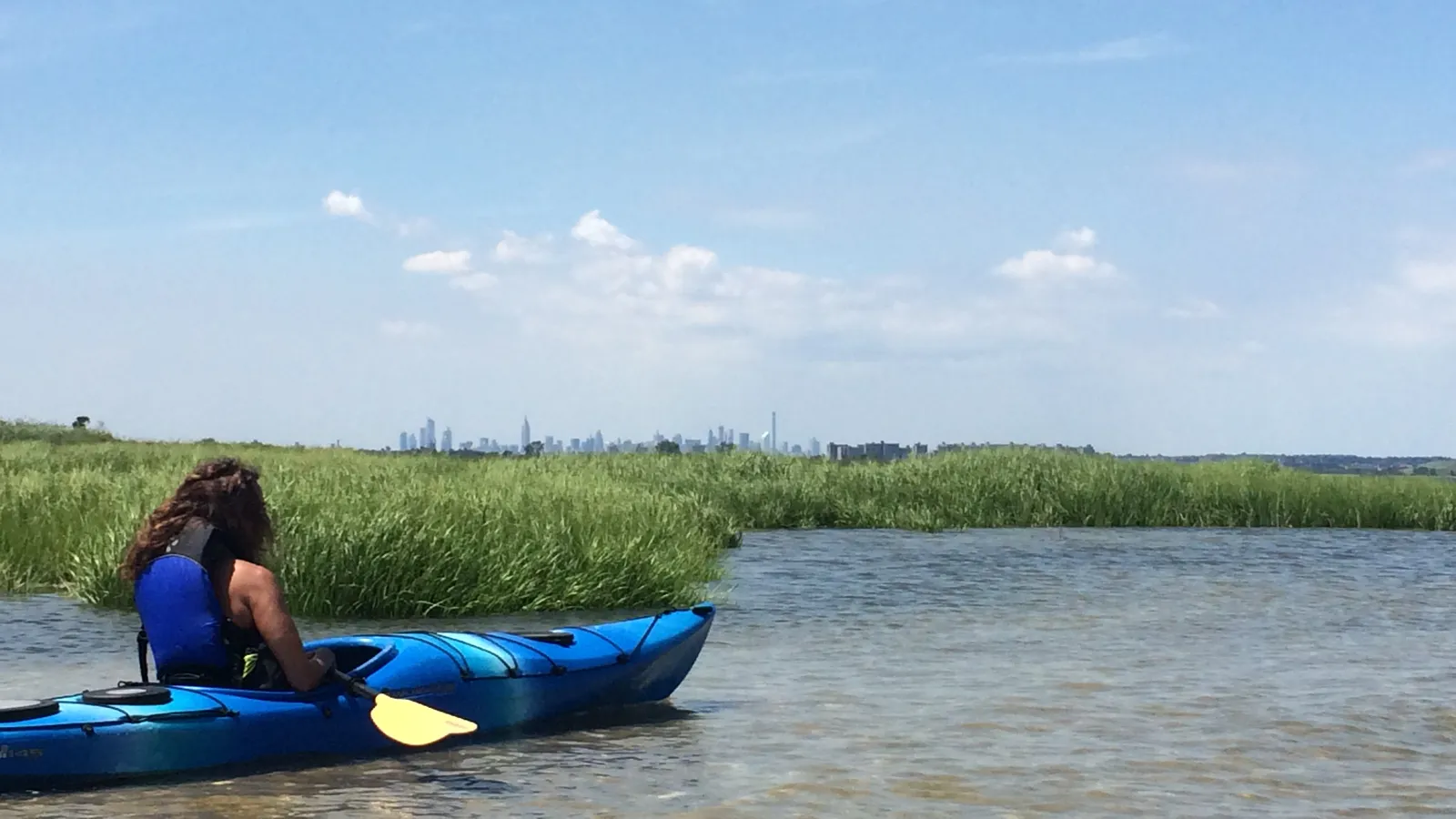
Best for: nature, birds and longer flat-water paddles. Tidal bay, sheltered but exposed to wind.
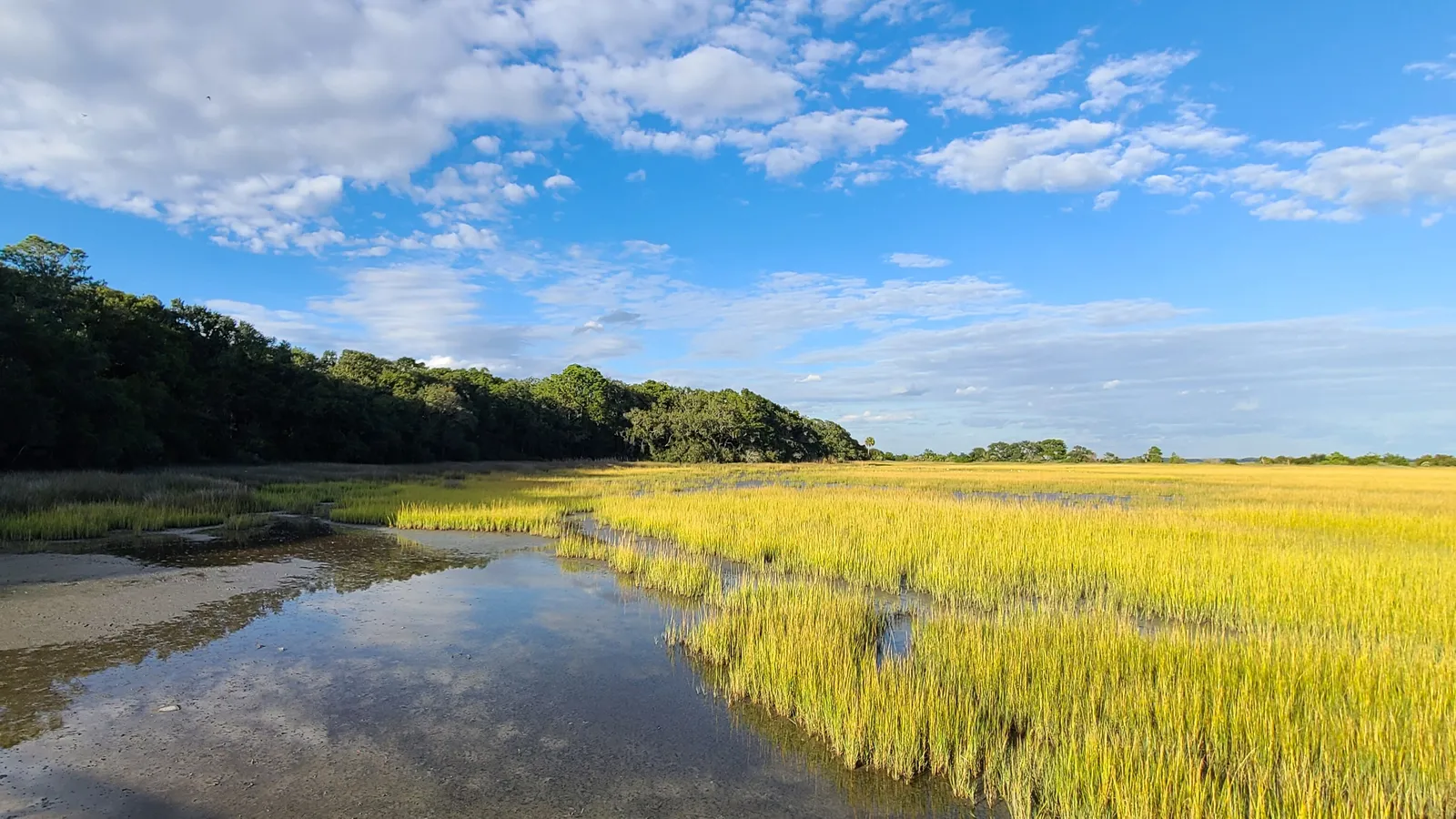
Jamaica Bay is part of Gateway National Recreation Area, run by the National Park Service. It’s a maze of salt marsh islands with Manhattan on the horizon, and it feels a world away from the harbor.
Where to launch: Floyd Bennett Field’s kayak launch is at the old seaplane ramp, open dawn to dusk. NYC Parks lists parking (a $50 yearly pass) and a carry of 60 to 100 feet from the lot to the water. The National Park Service also lists launches at North Channel Bridge, Mill Basin and Canarsie Pier.
Good to know: You can’t land on the bay’s islands or go into the salt marshes; they’re protected habitat. Tides and wind decide your day here: a falling tide exposes mudflats, and a breeze across this wide bay builds chop fast. Go on a calm morning.
Rockaway (Bay Breeze Park)
Directions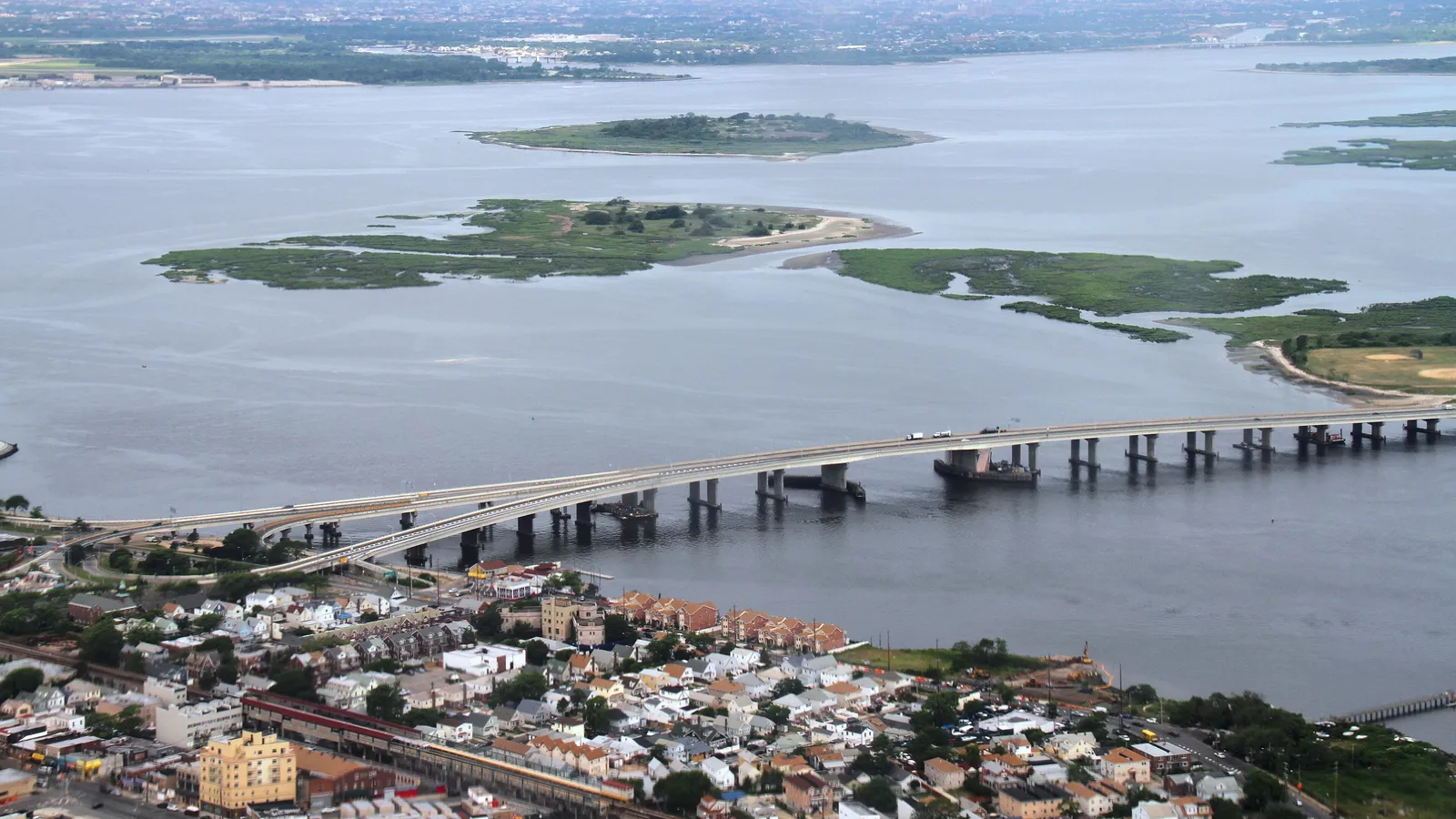
Best for: Rockaway visitors who want to paddle away from the surf. Tidal bay.
Rockaway is best known for its ocean beaches, but those are for swimmers and surfers, and NYC Parks limits surfing to a few designated stretches. For paddle boarding, go to the bay side of the peninsula.
Where to launch: Bay Breeze Park, at Beach 88th Street and Beach Channel Drive, is an NYC Parks launch open sunrise to sunset from April 1 to December 1. NYC Parks calls it an excellent starting point for southern Jamaica Bay, including Dubos Point and the nearby marsh islands. There’s no site fee; parking is on the street.
Good to know: The launch is rocky, with old pilings and a sharp drop-off offshore. NYC Parks warns that Jamaica Bay’s currents, tides and wind can be treacherous, and recommends paddling with a buddy and wearing a life jacket at all times.
Orchard Beach Lagoon (Pelham Bay Park)
Directions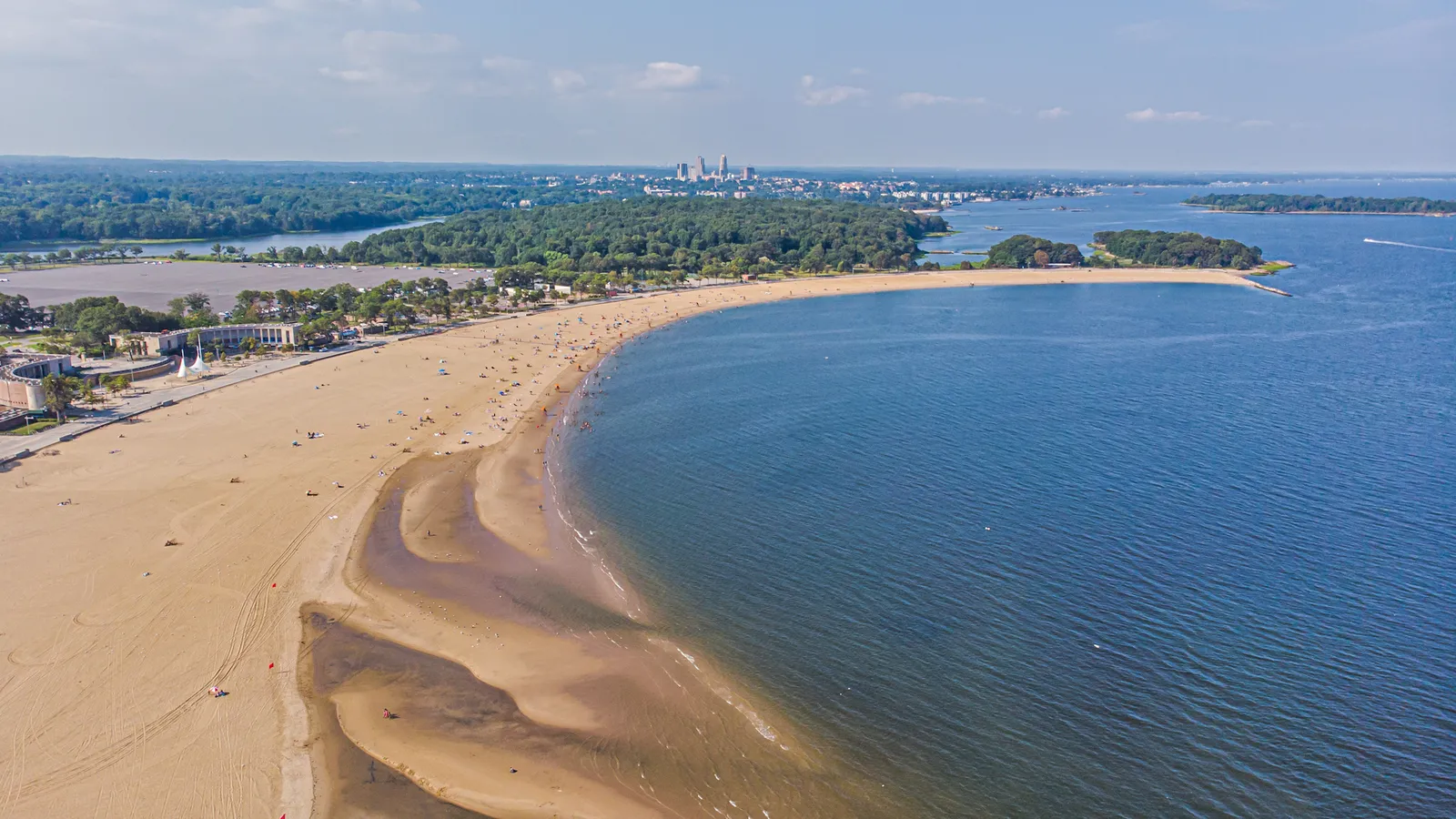
Best for: Bronx and northern Manhattan paddlers. Sheltered lagoon.
Pelham Bay Park is the city’s largest park, and the lagoon behind Orchard Beach is a calm, enclosed stretch of water away from the shipping lanes. Experienced paddlers can go further out into Long Island Sound; NYC Parks lists Throgs Neck as a typical 10-mile day trip.
Where to launch: The launch is at the northwest corner of the Orchard Beach parking lot. It’s open sunrise to sunset from April 1 to December 1, and NYC Parks notes a seasonal site fee. By transit, take the 6 train to Pelham Bay Park station and then a bus.
Good to know: At this and other NYC Parks launches, pets must stay on a leash and out of the water. The posted rules also ban rafts and other inflatables, so if you paddle an inflatable board, check with NYC Parks before you go.
When to go
The paddling season in New York runs from late spring to early fall. NOAA’s water temperature averages for The Battery, at the tip of Manhattan, are about 38°F in February, 57°F in May, and 75°F in August.
- June to September: the warmest water and when rentals are open. Busy, so expect wakes.
- Spring and late fall: cold water. New York law requires everyone on a boat under 21 feet, paddle boards included, to wear a life jacket from November 1 to May 1. Dress for immersion in a wetsuit or drysuit; our wetsuit check uses water and air temperature to tell you what to wear.
- Tides: the current in the Hudson and East rivers is the biggest factor in your trip. Check NOAA’s tidal current predictions and paddle with the current, not against it.
- After heavy rain: harbor water quality drops. NYC Parks points paddlers to the NYC Department of Environmental Protection’s harbor water advisories.
For a longer paddle, our Trip time calculator estimates how long a route will take at your pace. Allow extra time against the tide.
Rules and safety in New York City
The NYC launch permit. The city requires a permit to use any NYC Parks kayak and canoe launch. It costs $15 and is available by mail or in person from the Parks permit offices in each borough.
New York State rules:
- Life jacket: carry a Coast Guard–approved life jacket for each person. Children under 12 must wear one, and everyone must wear one from November 1 to May 1. NYC Parks goes further: its permit conditions say everyone on a hand-powered craft must wear a life jacket at all times. See our pick of the best PFDs for SUP.
- Sound device: carry a whistle or small air horn.
- After dark: carry a light. NYC Parks launches close at sunset.
Harbor rules of thumb:
- Yield to big boats. Paddle craft have right of way in theory, but NYC Parks reminds you that small boats must keep clear of ships, barges and ferries that can’t maneuver.
- Don’t land just anywhere. Under the city’s permit rules, you may only land at a launch site or designated dock unless it’s an emergency.
- Wear shoes for launching. NYC Parks warns of broken glass, rusted metal and old pilings along the shore.
- Wear a leash in open water, so your board can’t drift away in the current.
FAQ
Where can beginners paddle board in NYC?
The cove at Pier 84 in Hudson River Park is the best choice: it’s sheltered, and Manhattan Kayak Co. rents boards and teaches lessons there in season. Orchard Beach Lagoon in the Bronx is a calm option if you have your own board.
Do I need a permit to paddle board in New York City?
Yes, if you launch your own board from an NYC Parks launch site. The permit costs $15 and comes from the Parks permit office in any borough.
Can you paddle board on the Hudson River?
Yes, but the Hudson has tidal currents of up to 3 knots, plus ferries and commercial boats. Beginners should stay inside the Pier 84 cove; experienced paddlers should plan around the tides.
Can I paddle board at Rockaway Beach?
The ocean beaches are for swimmers, and surfing is limited to a few designated stretches, so it’s not a good place to learn. Launch on the bay side instead, at Bay Breeze Park on Beach 88th Street.
What board should I use in the harbor?
A longer, stiffer board tracks better against wind and current. Our Board Fitter suggests a size from your weight and how you’ll paddle.