The best place to paddle board in Key West is the mangrove backcountry along Cow Key Channel, on the edge of town, where you can rent a board or join a guided tour and paddle on sheltered, shallow water. For a beach paddle in town, bring your own board to Fort Zachary Taylor; for the most scenic day trip, drive about 37 miles up to Bahia Honda State Park.
Key West works for paddling because the water is warm all year, very clear, and mostly shallow. The flats and mangrove islands on the north side of the island are protected from ocean swell, so they’re friendly to beginners when the wind is light. The open Atlantic beaches are prettier but more exposed. This guide covers Key West and the Lower Keys. For Key Largo, Islamorada and Marathon, see our guide to where to paddle board in the Florida Keys.
Quick answer
- First time on a board: a guided mangrove tour or rental on Cow Key Channel.
- Quieter backcountry: Geiger Key, a few miles east of Key West, with a rental hut at the marina.
- A beach paddle in town: Fort Zachary Taylor (bring your own board) or Smathers Beach (rentals on the sand).
- Best day trip: Bahia Honda State Park, launching on the sheltered bay side.
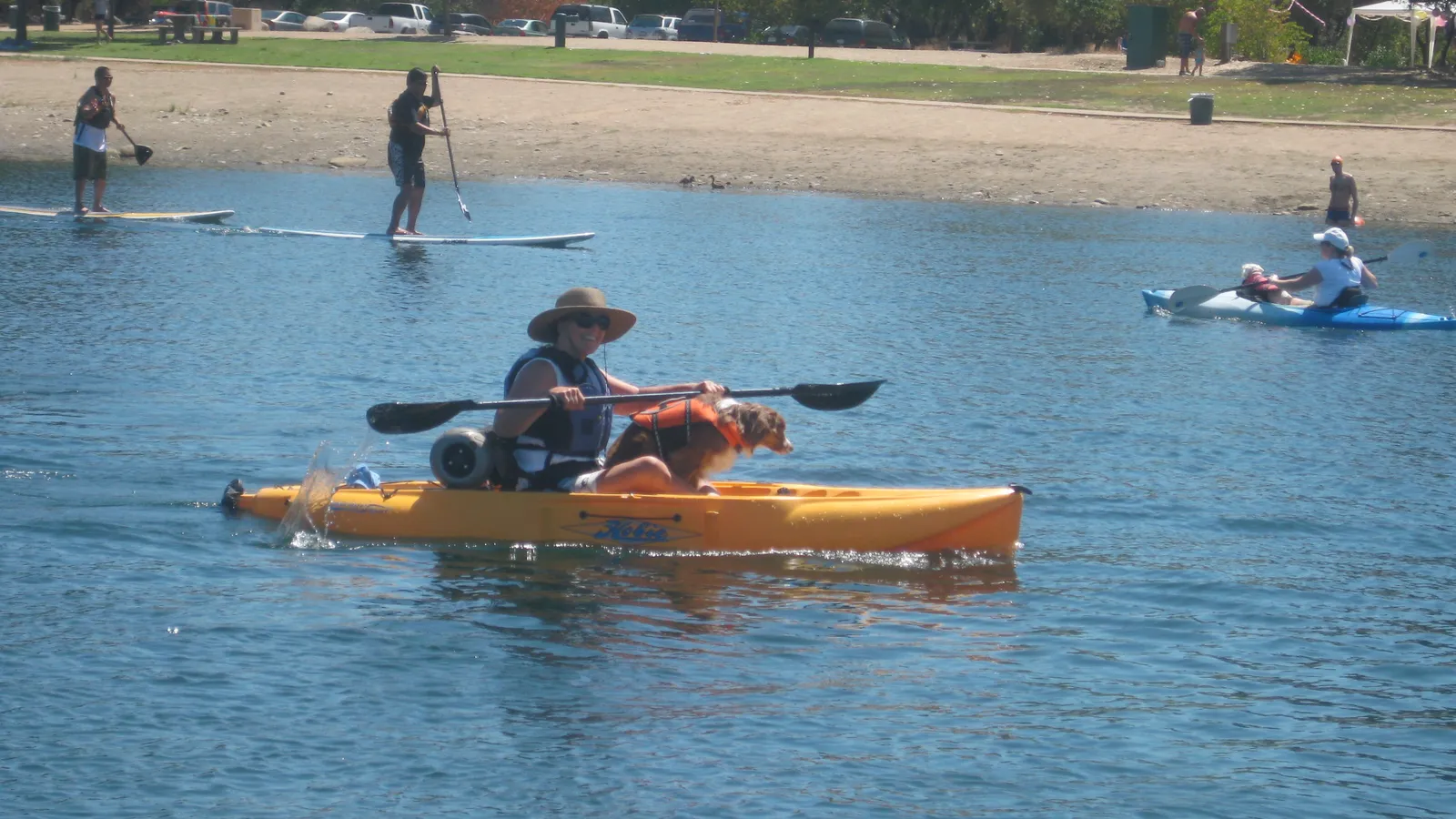
- With a dog: a dog-friendly guided tour from Lazy Dog on Cow Key Channel.
The best places to paddle board in Key West
Cow Key Channel mangroves
DirectionsBest for: beginners, guided tours, paddling with your dog. Sheltered flat water, with some tidal current.
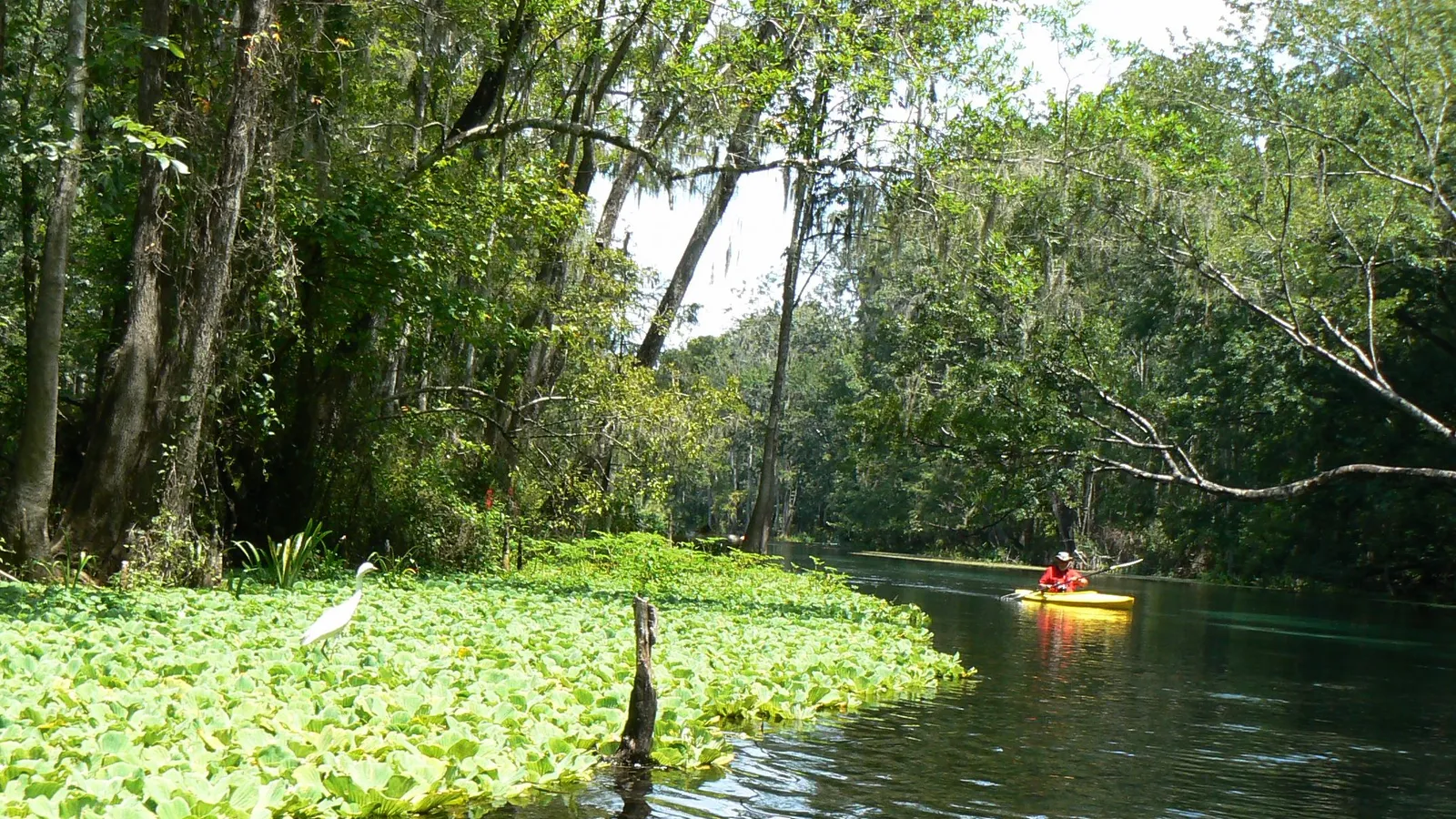
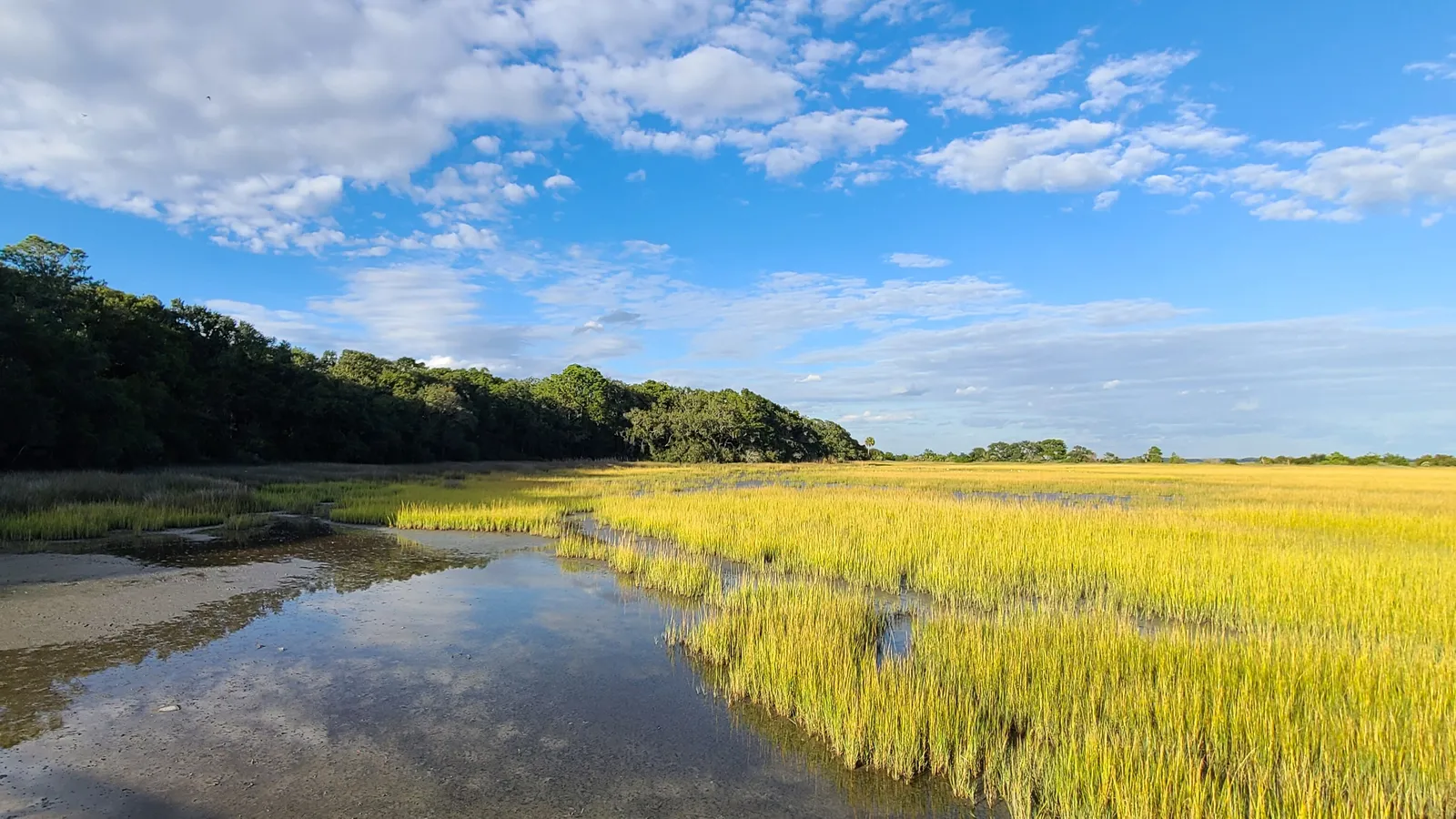
Cow Key Channel is the stretch of water between Key West and Stock Island, crossed by the Overseas Highway as you drive into town. On its edges are mangrove islands, seagrass flats and narrow creeks, which makes it the most sheltered paddling close to Key West. Expect fish, rays and wading birds in water that’s often only a few feet deep.
Where to launch: Most people start at Lazy Dog’s base beside the Cow Key Channel bridge, across the highway from the Key West Tropical Forest and Botanical Garden. Channels under bridges in the Keys carry tidal current, so paddle against it on the way out and let it help you home.
Rentals and lessons: Lazy Dog Adventures (5114 Overseas Highway, Key West) rents kayaks and paddle boards and runs guided mangrove and backcountry tours, plus paddle board yoga. Beginners are welcome, lessons and maps are included, and some tours are dog-friendly.
Good to know: The flats are shallow at low tide, so check the tide before a self-guided trip. If you go alone, take a phone in a dry bag and note how you got in; the mangrove islands all look alike from water level.
Geiger Key
DirectionsBest for: a quieter backcountry paddle away from Key West crowds. Sheltered flat water.
Geiger Key is a small island a short drive east of Key West, on the backcountry side of the Lower Keys. It has a marina, a waterfront restaurant and an RV park, and the water around it is a maze of shallow flats and mangroves with sea turtles, rays and birds.
Rentals and lessons: The Paddle Hut at Geiger Key Marina (5 Geiger Road) rents kayaks and stand-up paddle boards and runs tours. Rental listings say staff give you a map of the mangrove trails before you head out.
Good to know: It’s remote by Key West standards. Go with a full water bottle, sun protection and a charged phone, and pay attention to wind direction: paddle into it on the way out so it’s behind you on the way back.
Fort Zachary Taylor Historic State Park
Directions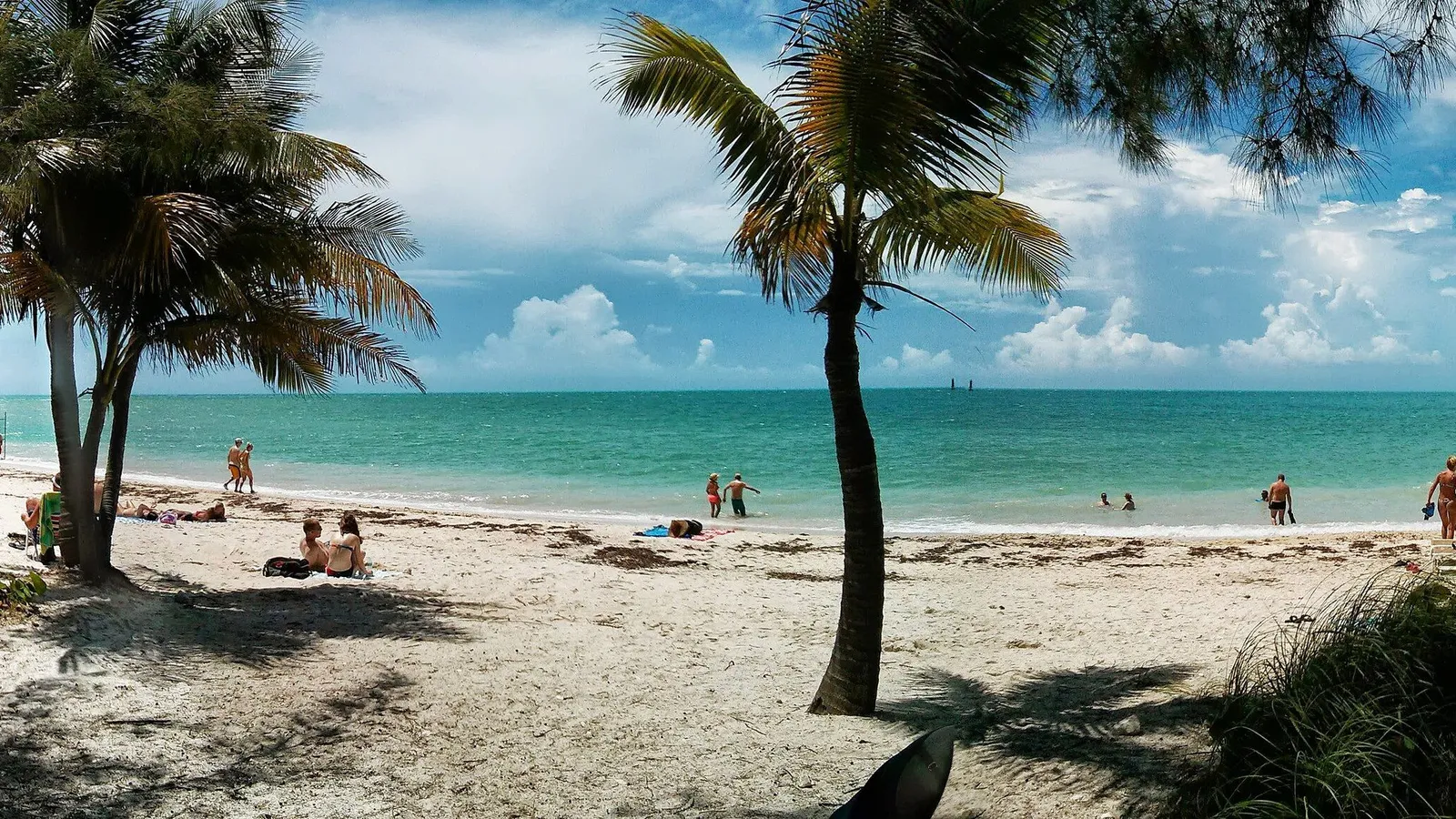
Best for: experienced paddlers with their own boards, sunset paddles. Open water, usually small waves.
Fort Zachary Taylor, at the western tip of Key West, has the city’s best-known beach, with clear water, rock breakwaters and a Civil War–era fort behind it. It’s mainly a swimming and snorkeling beach, but the park lets you launch your own paddle board.
Where to launch: Florida State Parks says to bring your own canoe, kayak or paddle board and use the launch at the east end of the beach. Park admission applies. All hard boards must stay outside the buoyed swim area, so paddle along the outside of the buoys rather than through the swimmers.
What to avoid: Don’t paddle around the point toward the harbor. Key West’s harbor is busy with ferries, tour boats and cruise ships, and the water past the breakwaters is open to wind and chop.
Good to know: The park doesn’t list paddle board rentals on its beach rentals page. Rent in town, or at Smathers, and bring the board with you.
Smathers Beach
Directions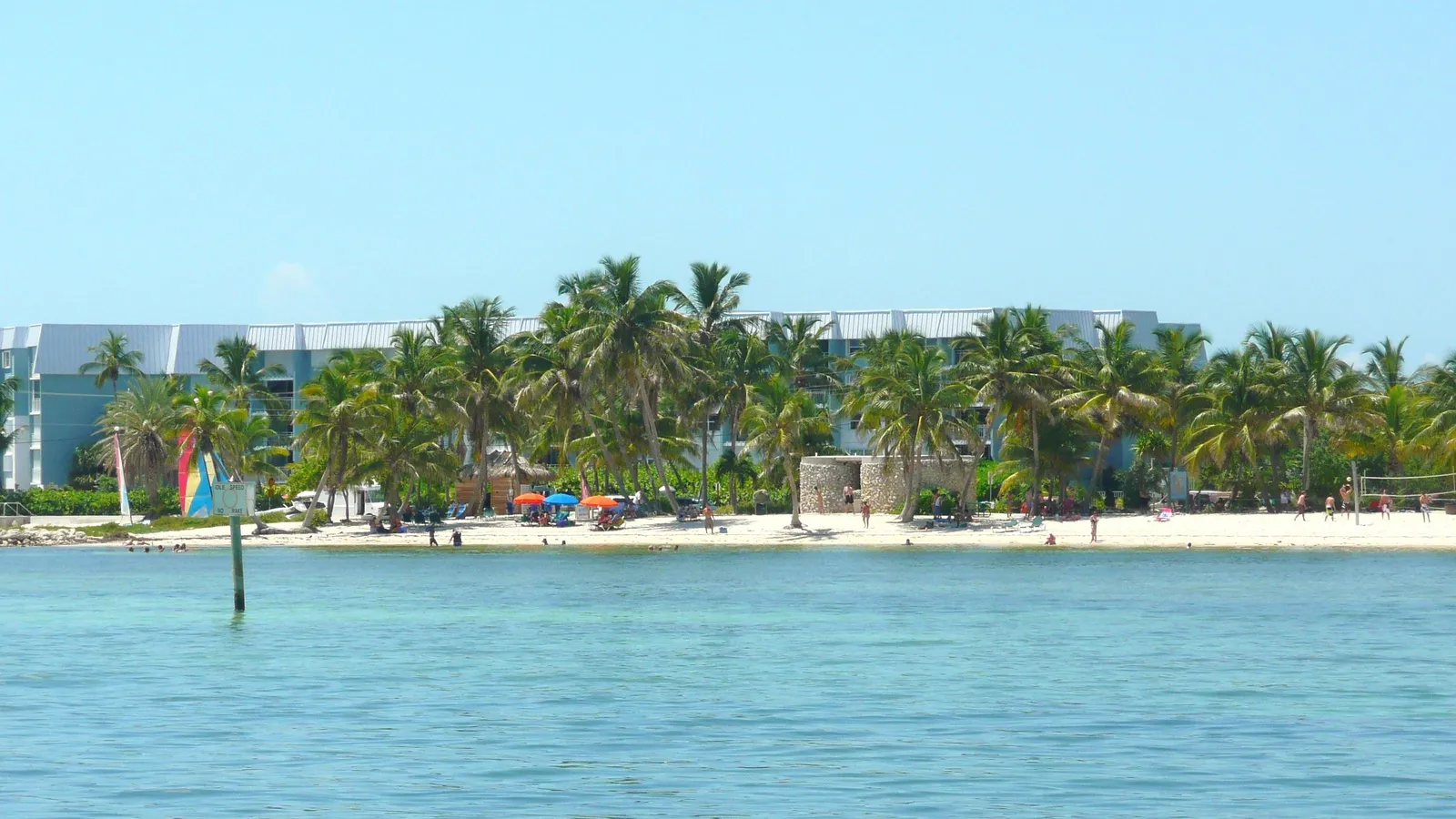
Best for: a quick rental on the beach. Open water on the Atlantic side, usually small waves.
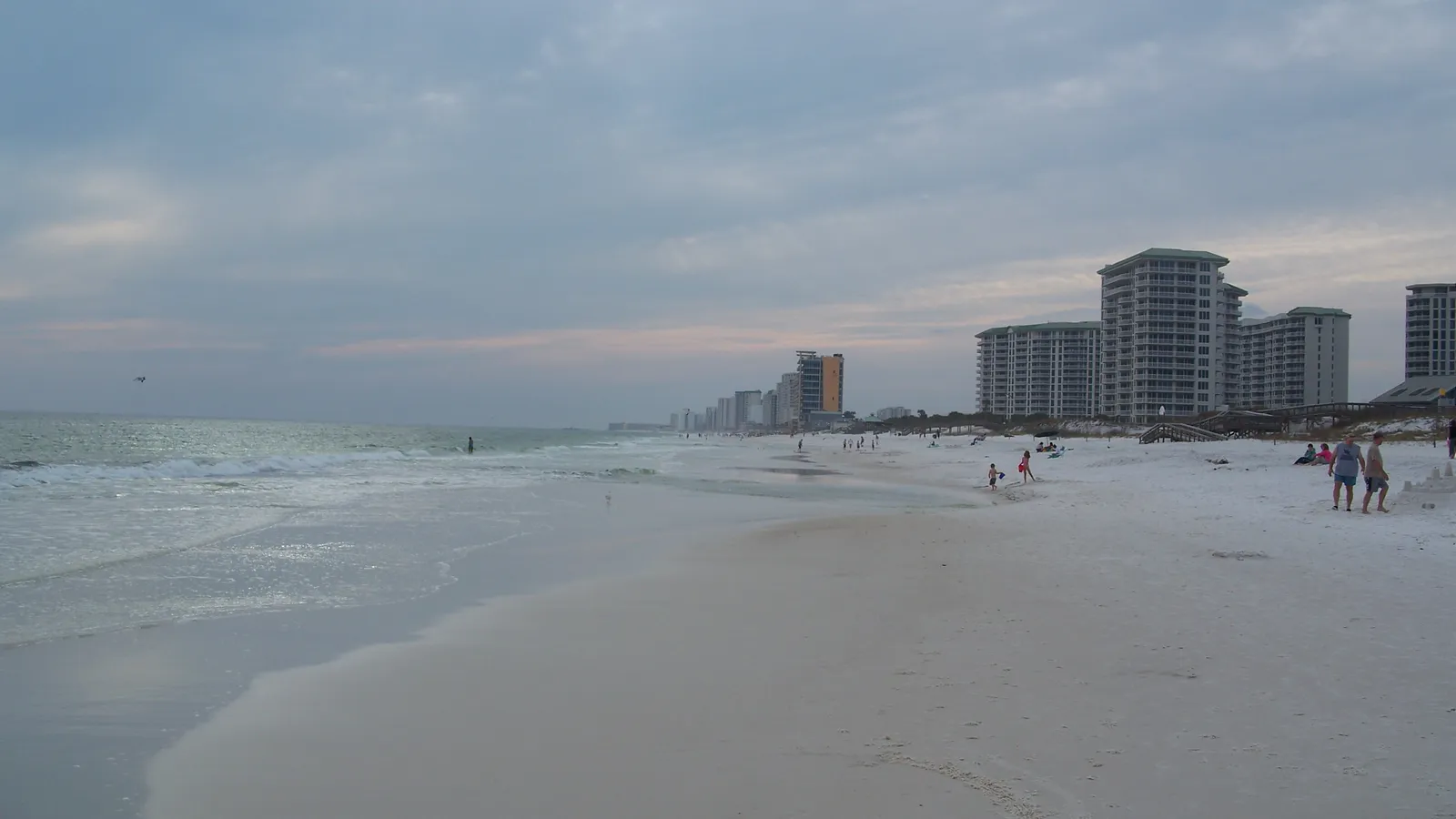
Smathers Beach, on South Roosevelt Boulevard, is Key West’s biggest public beach, a long stretch of sand facing the Atlantic. The water close in is shallow and often calm, but the beach faces the open ocean, so it’s exposed when the wind blows onshore.
Rentals and lessons: Sunset Watersports runs a beach hut at 1901 South Roosevelt Boulevard that rents paddle boards (two-hour rentals) and sells a beach pass that includes kayaks, paddle boards, Hobie Cats and floats.
Where to launch: From the beach, or from the small public boat ramp. Stay out of marked swim areas and watch for jet skis and parasail boats, which also operate off this beach.
Good to know: Go early. The wind usually builds through the day, and an onshore breeze makes the water choppy quickly.
Bahia Honda State Park
Directions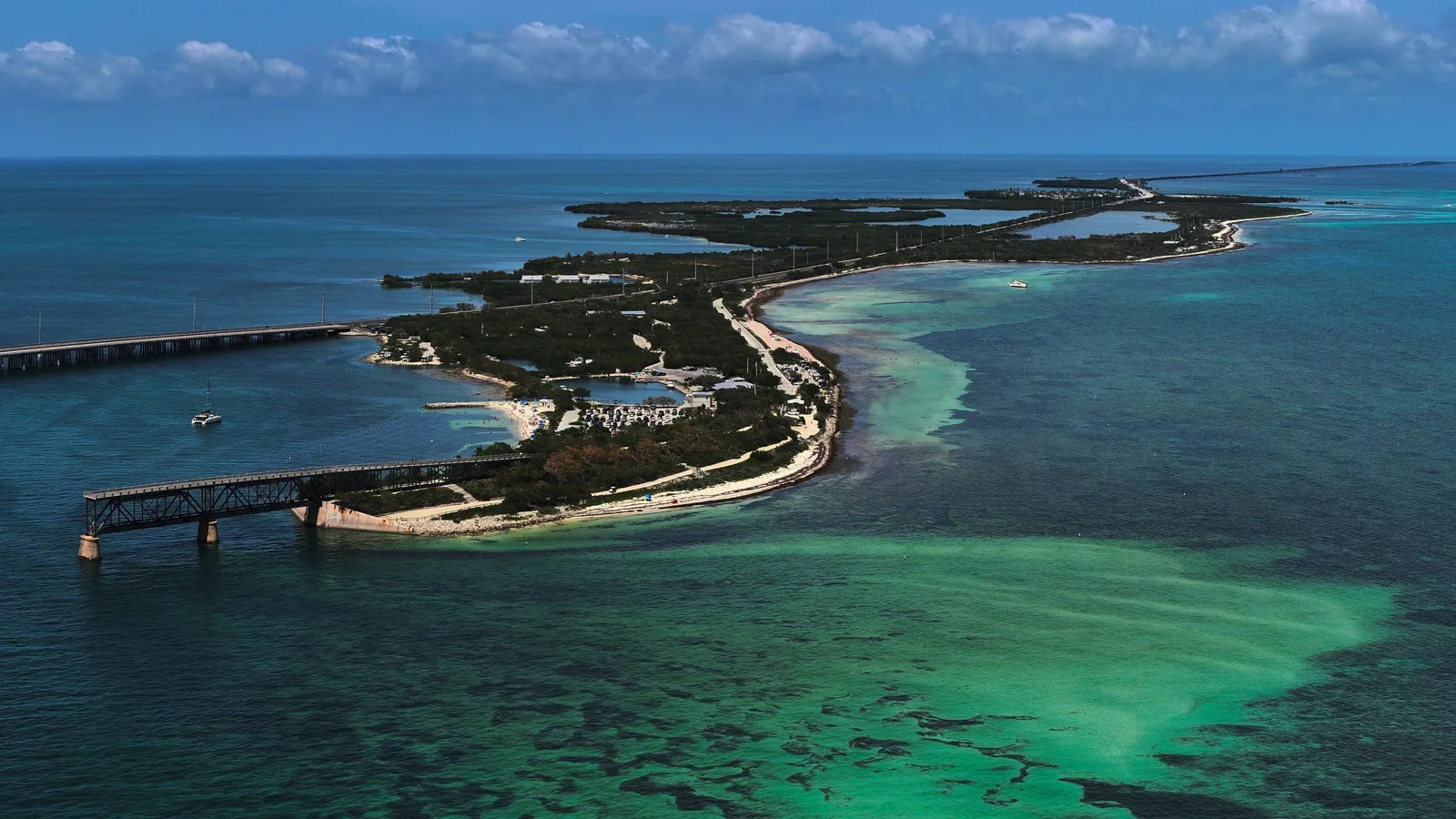
Best for: a day trip, the Lower Keys’ most scenic paddle. Sheltered on the bay side, exposed on the ocean side.
Bahia Honda State Park, at mile marker 36.8 (about 37 miles up the Overseas Highway from Key West), covers 524 acres and most of Bahia Honda Key. It has some of the best beaches in the Keys and the old Bahia Honda railroad bridge, which you can paddle beneath.
Where to launch: There are two paddle craft launches: a beach launch from the Loggerhead parking lot on the ocean side, and the paved boat ramp at the marina on the bay side. Paddle Florida suggests launching at the marina and following the bay-side shore under the old bridge and US 1 toward Ohio Key, where the water is more sheltered and there are lots of wading birds. Park admission and a launch fee apply.
Rentals and lessons: The park’s concessionaire rents kayaks on site. We couldn’t confirm paddle board rentals, so bring your own board or call the park first.
Good to know: Swimming areas are marked with buoys; stay outside them. Tidal current runs through the channels under the bridges, so keep crossings short and avoid them when the tide is running hard.
When to go
Key West is warm enough to paddle any month. NOAA’s long-term averages for Key West water range from about 73°F in January to 89°F in August, so most people paddle in a swimsuit and rash guard. On a breezy winter morning a thin top keeps the chill off. Our wetsuit check uses water and air temperature to tell you what to wear.
- Winter and spring (December–May): the busy season, with lower humidity. Cold fronts can bring a few days of strong wind; the mangroves are the best bet then.
- Summer (June–September): the calmest mornings but intense sun, heat and afternoon thunderstorms. Get off the water before storms build.
- Hurricane season: June 1 to November 30. Watch the forecast, and expect parks to close ahead of a storm.
- Time of day and tide: go early, before the wind picks up, and plan backcountry trips around a higher tide so you’re not dragging your fin across the flats.
Planning a longer route through the backcountry? Our Trip time calculator estimates how long it’ll take at your pace.
Rules and safety in Key West
Florida treats a paddle board as a vessel once you’re outside a swimming, surfing or bathing area. According to the Florida Fish and Wildlife Conservation Commission (FWC):
- Life jacket: carry a US Coast Guard–approved wearable life jacket for each person. Anyone under 6 must wear one while underway. See our pick of the best PFDs for SUP.
- Sound device: carry a whistle or horn.
- After dark or in poor visibility: have a white light, such as a flashlight, ready to show in time to prevent a collision. That matters for sunset paddles.
The waters around Key West are part of the Florida Keys National Marine Sanctuary, and parts of the backcountry are national wildlife refuges:
- Obey wildlife management area signs. Many mangrove islands are protected for nesting birds. Some zones are idle-speed or no-motor, which paddlers can use, but some are no-entry, and that includes paddle boards.
- Protect the seagrass and coral. Don’t drag your fin across grass beds, and never stand on coral. Step off onto sand if you need to.
- Keep away from the harbor and ship channels. Ferries and cruise ships can’t stop or turn for you.
- Wear a leash in open water, and carry water and sun protection. There’s almost no shade on the flats.
FAQ
Where can beginners paddle board in Key West?
The mangroves along Cow Key Channel, ideally on a guided tour the first time. It’s sheltered, shallow and close to town, and the guides handle tides and route-finding.
Can I bring my own paddle board to Fort Zachary Taylor?
Yes. Launch from the east end of the beach and stay outside the buoyed swimming area. Park admission applies, and the park doesn’t list paddle board rentals.
Do I need a permit to paddle board in Key West?
No permit is needed to paddle. You’ll pay admission at state parks like Fort Zachary Taylor and Bahia Honda, and you must follow sanctuary rules, including staying out of no-entry zones.
Can I paddle board with my dog in Key West?
Yes, on some tours. Lazy Dog on Cow Key Channel runs dog-friendly paddles. Read how to paddle board with a dog first, and bring a dog life jacket and fresh water.
Is there anywhere similar nearby?
Head up the Overseas Highway for Indian Key, Pennekamp’s mangroves and Curry Hammock; see where to paddle board in the Florida Keys. If you’re choosing a board for warm, shallow water, our Board Fitter will suggest a size.